The Best Croatian and Adriatic Dining
Olive oil, wood-fired fish and a coastline's worth of wine grapes rarely spoken of here. Singapore's Adriatic dining scene is small but genuinely worth seeking
 By Renée Tan
31 August 2026 · 6 min read
By Renée Tan
31 August 2026 · 6 min read
Croatian and wider Adriatic cooking has spent decades in the shadow of its more famous Mediterranean neighbours, overshadowed by Italian and Greek cuisines that share many of its instincts — good olive oil, simply grilled fish, a preference for letting ingredients speak for themselves. That is beginning to change on this side of the world too, as a handful of Singapore kitchens have started exploring the coastal cooking of Dalmatia and Istria with real seriousness, rather than folding it lazily into a generic “Mediterranean” menu.
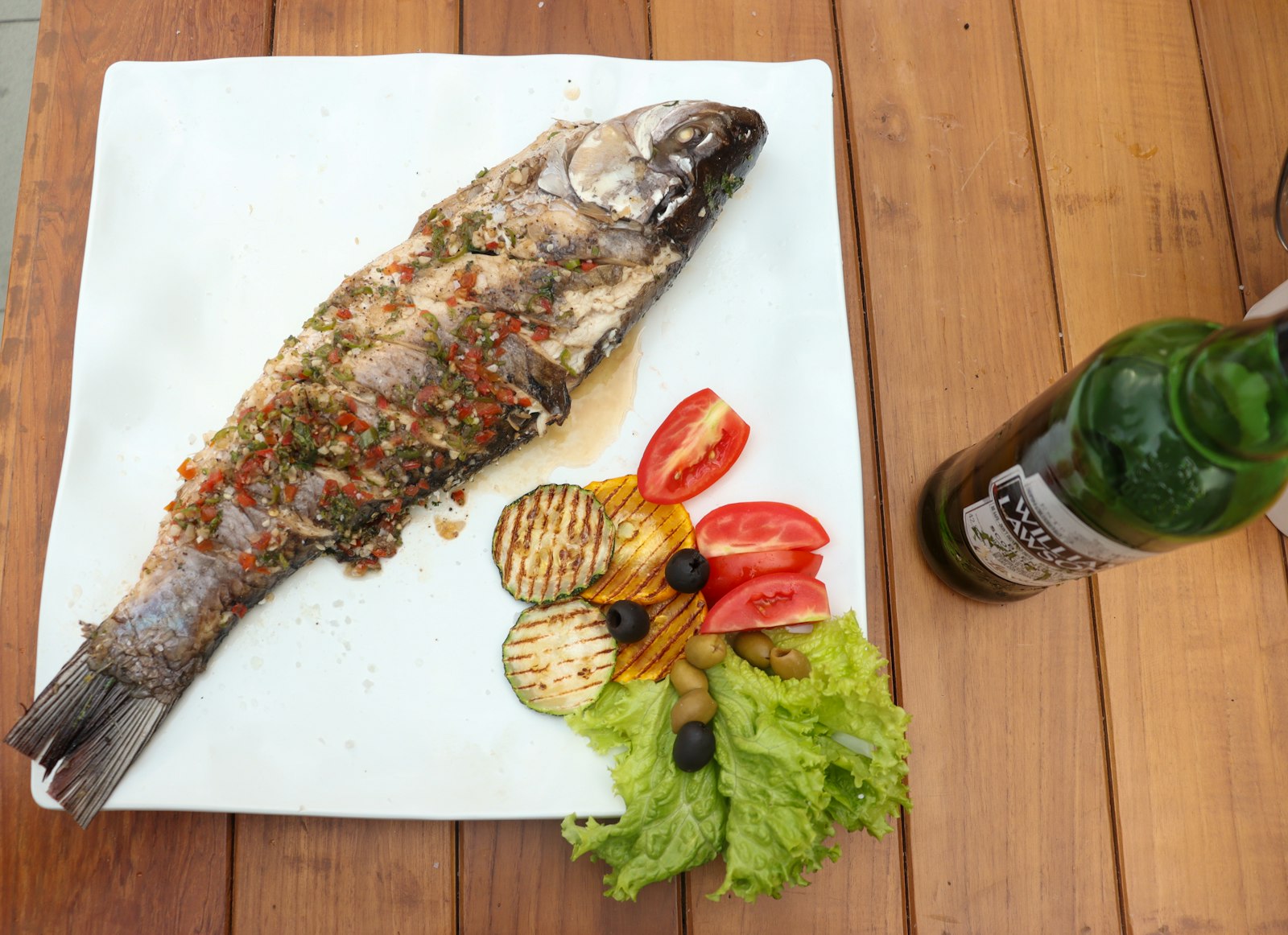
What distinguishes Adriatic cooking from its neighbours is a particular restraint. Where Italian cuisine often builds flavour through layering — a sauce, a cheese, a finishing herb — the Dalmatian coast tends to strip things back further still. A piece of fish, caught that morning, is brushed with olive oil, seasoned with little more than salt, and grilled over wood until the skin blisters. The test of a kitchen’s skill lies almost entirely in sourcing and timing, rather than in technique that can disguise a lesser ingredient.
What to look for on the menu
Black risotto, coloured and flavoured with cuttlefish ink, is one of the region’s signature dishes and a reasonable litmus test for a kitchen’s seriousness — it should taste of the sea rather than simply looking dramatic on the plate. Pašticada, a slow-braised beef dish marinated for days before cooking, showcases a different side of the cuisine: patient, wine-forward, closer in spirit to a good Italian ragù than anything typically associated with coastal dining. Istrian truffles, particularly the white variety foraged in the region’s oak forests, appear shaved over fresh pasta or folded into soft scrambled eggs, offering a genuinely different truffle experience from the French or Italian varieties most diners are used to.
The wine list matters as much as the kitchen
Croatia’s indigenous grape varieties remain little known outside the region, which makes a serious wine list one of the clearest signals that a restaurant understands what it’s doing. Plavac Mali, a robust red related to Zinfandel, and Malvazija, a crisp, mineral-driven white grown along the Istrian coast, both pair naturally with the seafood-forward menu. A restaurant that stocks even a handful of these wines by the glass, rather than defaulting to a generic Italian or French list, is worth taking seriously. Readers interested in exploring lesser-known European wine regions more broadly should see our guide to the best Jura and Alpine wine lists, which covers a similarly under-represented corner of the wine map.
A small but genuine scene
Singapore’s Adriatic dining scene remains modest — there is no cluster of restaurants competing for the title, simply a handful of kitchens run by chefs with genuine ties to the region, often having trained or worked along the Croatian coast before relocating. One composite dining room near the city fringe built its entire concept around Istrian truffle season, changing its tasting menu twice a year to follow the harvest, and importing olive oil directly from a single family-run press on Korčula rather than sourcing from a generic Mediterranean supplier. It is this kind of specificity — a named island, a particular olive variety, a defined season — that separates a serious Adriatic kitchen from one simply riding the wider Mediterranean trend.
“People expect Croatian food to taste like Italian food’s quieter cousin. It does share instincts, but the seafood and the truffles have their own character entirely,” notes one chef with roots along the Dalmatian coast.
Pairing the meal properly
A proper Adriatic meal tends to move slowly, built around shared plates rather than an individually plated tasting menu. Starting with a simple platter of prosciutto and hard sheep’s cheese, moving through a seafood course, and finishing with pašticada or a truffle-laced pasta mirrors how the meal would typically unfold along the coast itself. For readers assembling a fuller sense of the island’s growing appetite for underrepresented European cuisines, our review of the best Portuguese and Iberian dining covers a similarly overlooked but increasingly well-served category, while the best Greek and Mediterranean dining offers a useful point of comparison for the broader regional style.
- Ask whether the olive oil is imported from a named producer rather than a generic supplier — it says a great deal about sourcing standards.
- Order black risotto as an early indicator of a kitchen’s technical seriousness.
- Seek out Plavac Mali or Malvazija by the glass rather than defaulting to a more familiar wine region.
- Ask about truffle season if visiting between autumn and winter, when Istrian white truffles are at their best.
The dessert course often gets overlooked
Rožata, a caramel custard similar in spirit to crème caramel but traditionally flavoured with rose liqueur, rounds out a proper Dalmatian meal and is easy to miss on a menu crowded with more visually dramatic seafood dishes. Fig-based desserts also feature heavily along the coast, often paired with local honey and a handful of toasted almonds — simple, unfussy, and very much in keeping with the region’s broader culinary philosophy of doing a little exceptionally well rather than a lot adequately. A kitchen that offers rožata rather than defaulting to a generic panna cotta is usually one that has thought carefully about the whole arc of the meal, not just its centrepiece courses.
The service style, too, tends to be unhurried by design. A full Adriatic-inspired dinner can run past two hours without ever feeling padded, largely because the courses are built to be shared and lingered over rather than raced through. Diners used to a faster-paced tasting menu format may need to recalibrate their expectations slightly, but the payoff is a meal that genuinely mirrors how the cuisine is eaten along its home coastline, glass of Malvazija in hand, plates passed unhurriedly around the table.
Why it deserves a wider audience
Adriatic cooking’s relative obscurity outside its home region has, if anything, kept it more honest — there is little commercial pressure to dilute the cuisine for a broader audience, which means the kitchens taking it seriously tend to do so out of genuine conviction rather than trend-chasing. For a fuller sense of how Singapore’s dining scene continues to widen its geographic range, our Dining & Drinks section tracks the newer arrivals alongside the established names. The Adriatic coast’s cooking, quiet and confident, is worth seeking out before the wider world catches on.
Renée has covered Singapore's restaurants for over a decade, with a soft spot for the kitchens most people walk past.