The Best Bottle Shops for Whisky
Buying whisky well in Singapore means knowing which retailers actually know their stock. Here is what to look for in a genuinely good bottle shop.
 By Renée Tan
30 August 2026 · 6 min read
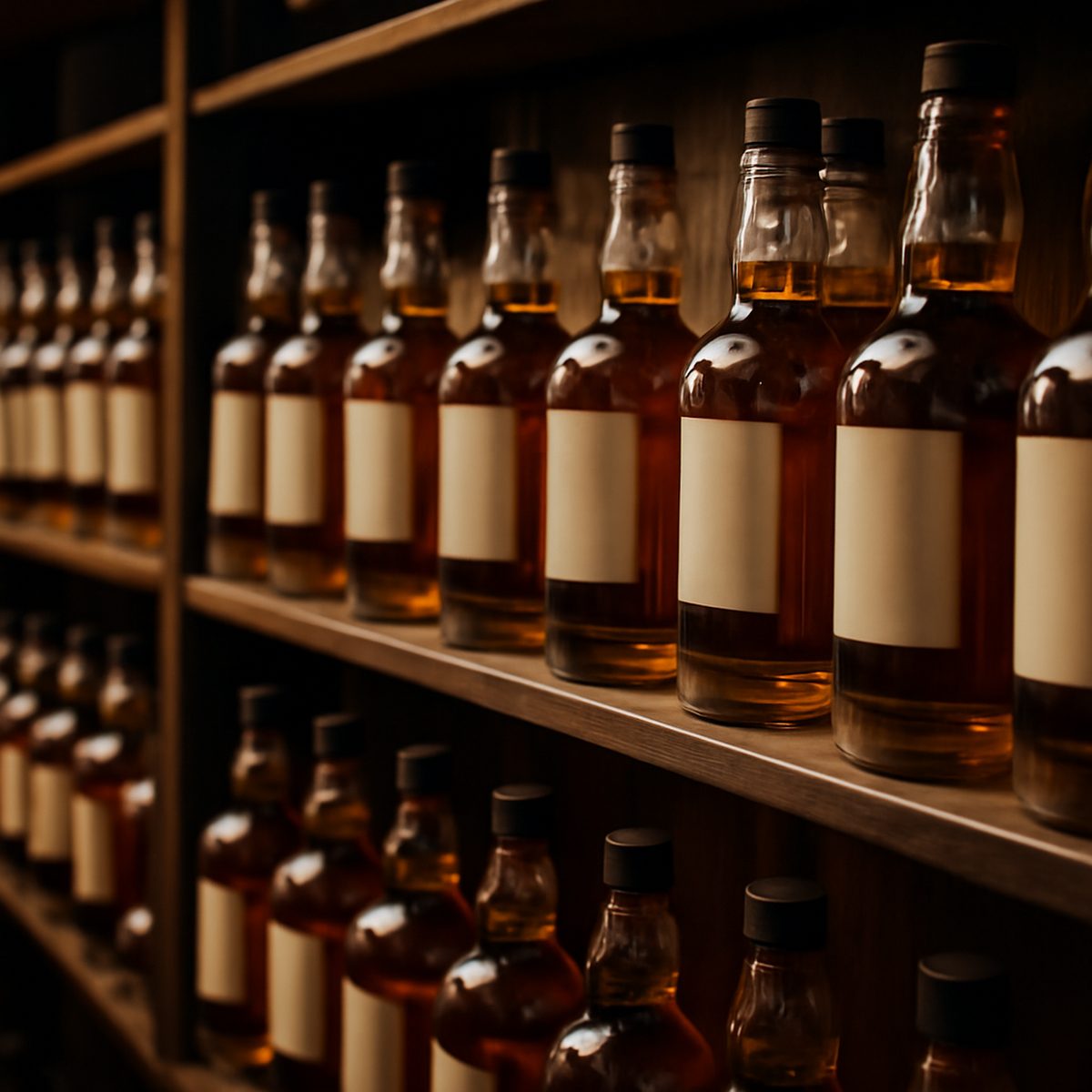
Buying whisky in Singapore has become considerably easier over the past decade, with a wider range of dedicated bottle shops supplementing the department store counters and duty-free selections that once dominated the market. What has not become easier, necessarily, is knowing which of these retailers are worth trusting with a serious purchase. A good whisky bottle shop is defined less by the sheer size of its inventory than by the depth of knowledge behind the counter, proper storage conditions, and a willingness to guide a buyer honestly rather than simply upsell whatever carries the highest margin.
What separates a serious retailer from a generic one
The clearest signal of a considered bottle shop is staff who can speak knowledgeably about a bottle’s production, cask type, and character without reading directly off a shelf tag. Ask a good retailer to compare two similarly priced bottles and they should be able to articulate genuine differences in style, rather than defaulting to vague praise for both. This kind of expertise typically comes from staff who taste extensively themselves, often running their own tasting sessions or maintaining open bottles for customers to sample before committing to a full purchase, a practice worth actively seeking out when trying something unfamiliar or expensive.
Storage conditions matter more than most casual buyers realise, particularly in Singapore’s climate. Whisky is far more stable than wine and does not require refrigeration, but prolonged exposure to direct sunlight or significant heat fluctuation can still degrade a bottle over time, especially through a cork that dries and shrinks. A shop that keeps its stock away from direct light and maintains reasonably stable conditions is doing right by both its inventory and its customers, even if this is rarely something buyers think to check. For a broader view of shops that apply the same care across wine and spirits, our guide to the best independent bottle shops is a useful companion.
Independent bottlings versus official releases
Beyond standard distillery releases, Singapore’s better bottle shops increasingly stock independent bottlings, whisky sourced from a distillery but bottled under a separate merchant’s label, often at cask strength and without chill filtration or added colouring. These can offer significantly better value and more distinctive character than official releases at a similar price point, though they also require a retailer with genuine relationships to independent bottlers abroad, since supply is typically limited and allocated carefully rather than sold in bulk. A shop with a strong selection of these bottlings, clearly explained rather than simply shelved alongside everything else, is usually a sign of a genuinely serious operation.
Questions worth asking before a serious purchase
- Whether the bottle has been stored away from direct light since arrival in Singapore
- Whether the shop offers a taste or sample before committing to a full-size bottle
- Whether the retailer can speak to the specific cask type and its likely influence on flavour
Building a collection with intent
For buyers moving beyond occasional purchases towards a more deliberate collection, our companion guide on building a whisky collection with intent covers the broader strategic questions worth asking, from diversification across regions to long-term storage. Pairing that thinking with genuine tasting skill, covered in our piece on how to taste whisky properly, tends to produce far more satisfying purchases than buying on reputation or packaging alone.
“The best shops don’t just sell you a bottle,” one Singapore whisky retailer told us. “They tell you honestly whether it’s the right bottle for what you actually like.”
Japanese whisky and its particular scarcity
Singapore’s appetite for Japanese whisky has created its own particular retail dynamics, with genuine scarcity from several distilleries driving prices well above what the whisky itself might otherwise command. A trustworthy retailer will be transparent about this scarcity rather than implying artificial exclusivity, and our field guide to Japanese whisky is a useful companion for understanding which releases are genuinely limited versus simply marketed that way. The same discernment applies to the city’s whisky bars, many of which share ownership or sourcing relationships with the retail side of the business, making a good bar a useful place to taste before buying at the shop.
For a broader look at how Singapore’s drinking culture has matured across categories, our Dining & Drinks section offers further coverage of the city’s evolving spirits and wine retail landscape.
Pricing and how to judge it
Singapore’s whisky prices are shaped considerably by import duties and a limited domestic market, meaning direct price comparisons with markets like the United Kingdom or the United States are rarely useful. A more helpful approach is comparing prices across several local retailers for the same bottle, which usually reveals a reasonably narrow band once genuine market rate is established, with outliers on either end worth treating with some suspicion. A price significantly below the going local rate can sometimes indicate an older bottling nearing the end of its shelf presence, worth asking about directly, while a price well above it may simply reflect a shop trading on convenience or location rather than genuine scarcity.
Auction and secondary markets have also become more visible in Singapore in recent years, offering another avenue for discontinued or highly allocated bottles, though these transactions demand considerably more buyer diligence than a standard retail purchase, particularly around authentication and fill level. For most buyers, a trusted bottle shop with a track record of honest dealing remains the more reliable route, even if it occasionally means missing out on a particularly rare release that surfaces first at auction. A shop willing to explain why it will not stock a particular auction lot, citing concerns over provenance or fill level, is often more trustworthy than one that simply passes every available bottle along to customers without comment.
Final word
A good whisky bottle shop earns its trust the same way a good bar does, through genuine expertise, honest guidance, and careful handling of its stock. Buyers who take the time to find such a retailer, rather than defaulting to whichever shop happens to be most convenient, tend to build far more satisfying and better-value collections over time, one considered bottle at a time, bought from people who actually know what is in the glass.
Renée has covered Singapore's restaurants for over a decade, with a soft spot for the kitchens most people walk past.