The Art of the Well-Made Bed
On thread count myths, weave over count, and why two sets of genuinely good linen beat a drawer full of mediocre ones in Singapore's climate.
 By Priya Nair
29 August 2026 · 6 min read
By Priya Nair
29 August 2026 · 6 min read
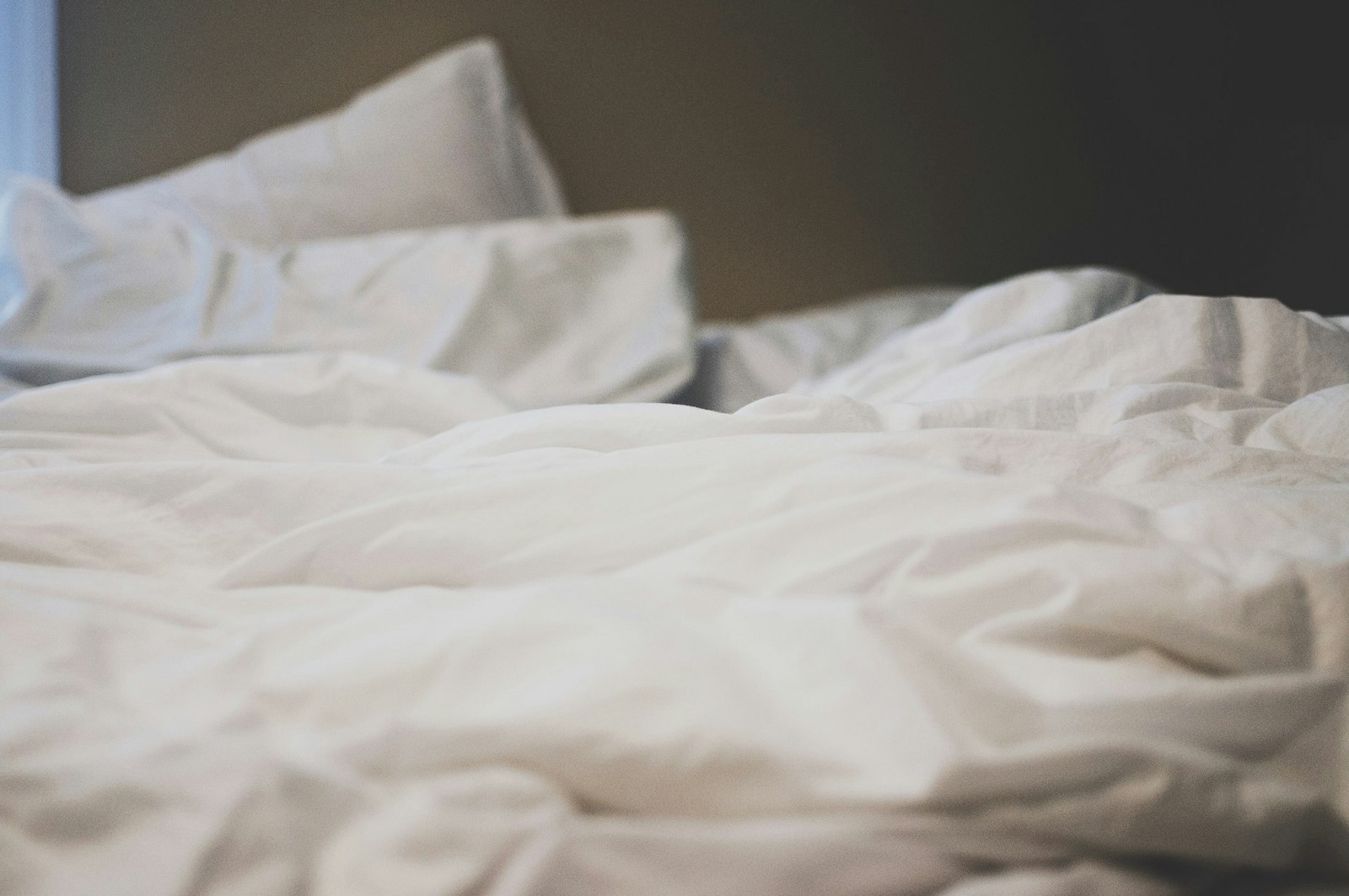
Thread count has done more damage to how people buy bed linen than almost any other piece of marketing in the home. A number printed on packaging, easy to compare and easier to inflate, became shorthand for quality in a way that has almost nothing to do with how a sheet actually feels or performs — particularly in a climate as demanding as Singapore’s.
Why Thread Count Is the Wrong Question
Thread count measures the number of threads woven into a square inch of fabric, and beyond a certain point — roughly 300 to 400 for cotton — higher counts stop improving quality and start requiring thinner, weaker threads twisted together to inflate the number artificially. A sheet marketed at 1,000 thread count is very often built from multi-ply yarns that count each individual strand separately, producing a number that looks impressive and a fabric that is, in practice, heavier and less breathable than something genuinely woven at 300.
What to Ask Instead
The better questions are about fibre and weave. Long-staple cotton — Egyptian or Supima varieties, spun from longer fibres — produces a smoother, more durable yarn regardless of thread count. Linen, meanwhile, solves the tropical problem almost entirely differently: its open weave and natural moisture-wicking properties make it dramatically cooler to sleep under than any cotton at any thread count, which is why it has become the material of choice for considered bedrooms in this climate.
Weave Changes Everything
Percale and sateen are the two dominant cotton weaves, and they behave almost oppositely. Percale, woven in a simple over-under pattern, produces a crisp, matte, breathable sheet that feels closer to a good dress shirt — the right choice for Singapore’s heat. Sateen, woven with more threads running over than under, produces a silkier, heavier sheet with more sheen, better suited to cooler climates or bedrooms kept firmly air-conditioned overnight. Buying sateen for a naturally ventilated Singapore bedroom is a common and avoidable mistake.
- Percale cotton or linen for naturally cooled, tropical bedrooms.
- Long-staple or Supima cotton over inflated thread-count marketing.
- Two genuinely good sets rotated properly, rather than a drawer of average ones.
- Stone-washed or pre-shrunk linen, which softens faster and shrinks less over time.
The Case for Owning Fewer, Better Sets
Good linen, properly made, only improves with washing — softening, relaxing, losing the slight stiffness that puts some buyers off on the first night. This makes the case for owning two excellent sets rather than five mediocre ones particularly strong: the good sets get better with every wash, while the average ones simply wear thin and pill. A well-made set, cared for properly, can reasonably last a decade of regular use.
“I tell clients to buy the best sheets they can justify and then stop shopping,” says one interior stylist who works on bedrooms across the eastern estates. “The bed is the one piece of furniture everyone in the house actually touches with their skin every single day. It’s the wrong place to economise.”
Caring for Good Linen So It Lasts
Even excellent bedding can be undone by careless washing. Fabric softener, despite its name, is one of the worst things to use on good cotton or linen — it coats fibres in a waxy residue that actually reduces breathability and dulls the natural texture over repeated washes. A gentle, low-temperature wash with a mild detergent, followed by air-drying or a low-heat tumble cycle, preserves both the fibre structure and the fabric’s natural cooling properties far better. Linen in particular benefits from this gentler approach — it genuinely softens with each wash when treated well, which is part of why buying it slightly firmer than expected on the first purchase is not a flaw but an investment in how it will feel a year on.
Ironing linen is, in most considered bedrooms, an unnecessary ritual — the slightly rumpled, lived-in texture is part of the material’s appeal, and pressing it flat tends to fight against the fabric’s natural character rather than enhance it. Cotton percale, by contrast, does reward a light press if a crisper hotel-style finish is the goal, though even here a slightly relaxed texture off the line reads as more considered than an over-ironed sheet in most contemporary bedrooms.
Matching Linen to the Room
A naturally ventilated bedroom, with ceiling fans and cross breeze rather than constant air-conditioning, calls for the breathable weaves discussed above almost without exception. A bedroom kept consistently cool overnight has slightly more latitude, and this is where a heavier sateen or a blended fabric can work without the overheating risk it would carry in a naturally cooled room. Matching the linen to how the room is actually used, rather than to what looks best in a catalogue photograph, is the detail most home buyers skip and most interior stylists insist on getting right.
Beyond the Sheets Themselves
A genuinely well-made bed is more than its linen. Pillow fill — down, down-alternative, or the increasingly popular latex — should be chosen for the sleeper’s position and Singapore’s humidity as much as for feel, since natural down can retain moisture in a humid room without proper airing. This attention to the small, tactile decisions in a bedroom sits alongside the broader case Black Cow has made for natural materials throughout the home, and the practical guidance in how to light a room properly — a bedroom’s evening lighting affects sleep quality nearly as much as what’s on the mattress.
This same instinct for restraint over accumulation runs through Black Cow’s broader take on domestic life, echoed in why the best interiors now whisper rather than shout. The well-made bed is, in many ways, the most private expression of that principle — nobody sees it but you, which is exactly why it’s worth getting right.
A Small Investment With Daily Returns
Unlike almost every other home purchase, good bed linen delivers its return every single night, without exception. It is one of the few areas of a considered home where spending properly is felt immediately and repeatedly, rather than admired occasionally. For more on building a home around genuinely good materials rather than surface polish, see Black Cow’s Homes & Culture section.
Priya tours the homes most people only glimpse from the road, and asks how they are really lived in.