
The Art of the Considered Fern and Shade Garden
A well-considered fern and shade garden turns a tropical property's darkest corners into its most atmospheric, textural, and quietly rewarding space.
 By Priya Nair
1 September 2026 · 6 min read
By Priya Nair
1 September 2026 · 6 min read
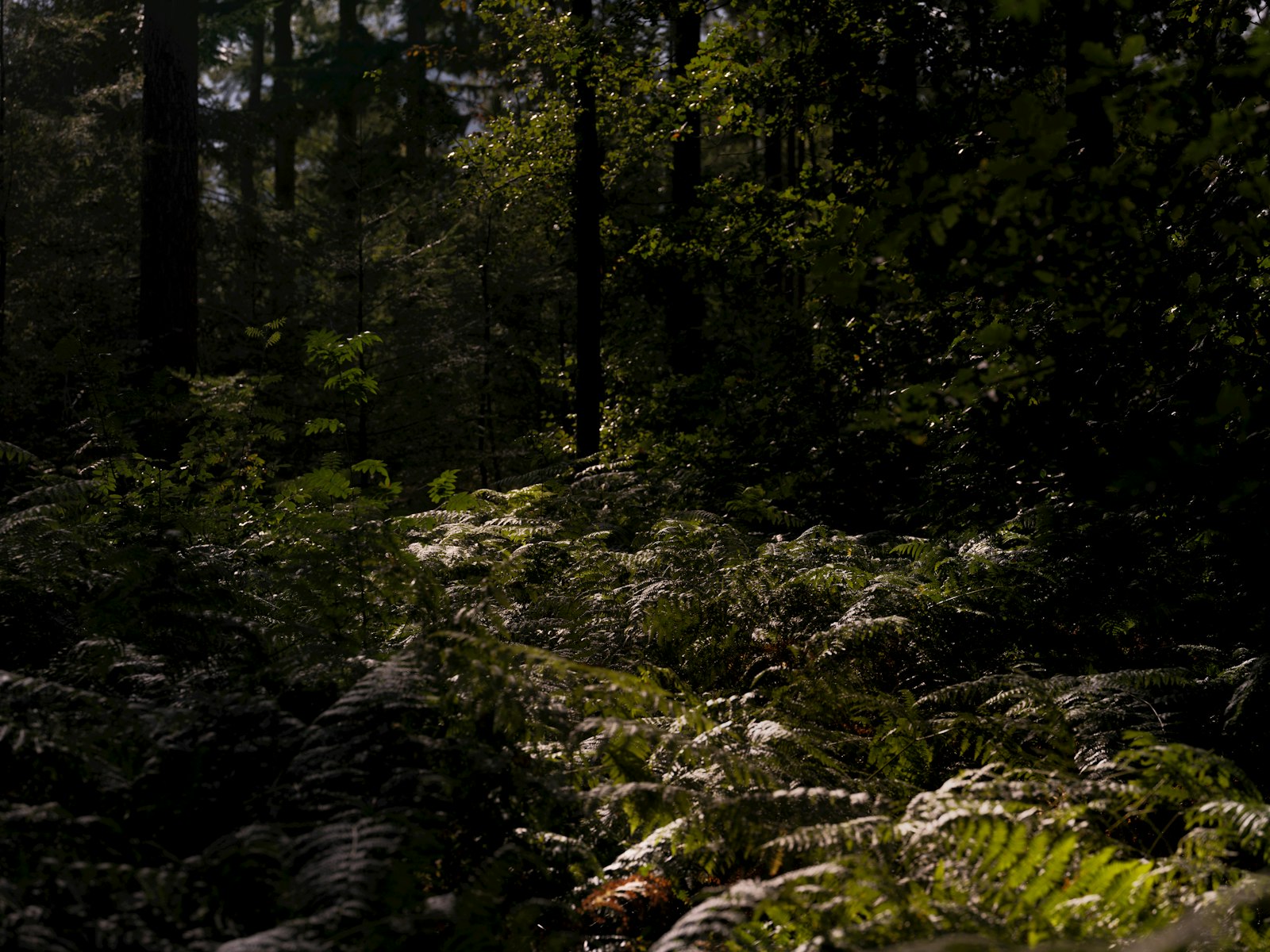
Most garden design in Singapore fights the tropics for sunlight, chasing bright flowering colour against a climate that constantly threatens to scorch it. A fern and shade garden takes the opposite approach entirely — it accepts shade as a genuine asset rather than a limitation, building a garden around the particular, quiet beauty of plants that thrive precisely because the sun can’t reach them. Done with real intention, a shade garden becomes one of the most textural, atmospheric spaces available to a considered home, rewarding attention rather than announcing itself from across the garden.
Understanding shade as a design opportunity
Deep shade — the kind found beneath a mature canopy tree, along a north-facing wall, or in the narrow gap between two buildings — is often treated as a garden’s problem area, the patch nothing will grow in without a fight. But ferns, along with a wide range of shade-loving foliage plants, don’t merely tolerate this condition; many genuinely prefer it, having evolved on rainforest floors where dappled or full shade is the natural state rather than an exception. Reframing a shaded corner as a distinct garden zone with its own design language, rather than a failed attempt at a sunny bed, is the first real step toward a shade garden that succeeds.
Building layers of texture rather than colour
Without the bright flowering colour available to a sun garden, a fern and shade garden succeeds or fails on texture, form, and subtle variation in green — a considerably more sophisticated design problem than it might first appear. The best shade gardens layer several distinct fern forms and leaf textures against each other, creating depth and contrast without relying on flower colour at all.
- Bird’s nest ferns — bold, architectural rosettes that anchor a planting with real structural presence.
- Maidenhair ferns — delicate, almost lace-like fronds that soften harder architectural elements nearby.
- Staghorn ferns — mounted or grown epiphytically, adding vertical and sculptural interest against a wall or tree trunk.
- Selaginella and mosses — a low, carpeting ground layer that ties the whole composition together at foot level.
Interspersing ferns with broad-leafed shade plants like calatheas or begonias adds another textural register, and a garden built with genuine variety in leaf size and form reads as considerably richer than a monoculture of a single fern type, however lush that single species might look on its own.
Working with existing shade rather than fighting it
The most successful fern gardens in Singapore homes tend to work with shade a property already has — beneath an existing rain tree, along a covered walkway, in the gap beside a garage — rather than artificially creating shade structures purely to accommodate the planting scheme. This approach respects the practical realities of a tropical garden and tends to produce more naturalistic, convincing results than a shade garden imposed onto a fundamentally sunny site. For sunnier sites, a very different naturalistic approach applies, explored in our piece on the considered prairie garden.
Moisture, drainage, and the practical realities
Ferns generally want consistent moisture without waterlogging, which in Singapore’s rainfall pattern means genuinely good drainage matters as much as regular watering — a shaded bed that also collects standing water after heavy rain will rot fern roots just as readily as a sun-scorched bed will dry them out. Raised beds or generous organic matter worked into the soil help considerably, mimicking the loose, humus-rich forest floor conditions most shade-loving plants evolved in. Misting or a light overhead irrigation system, run briefly but frequently rather than deeply and rarely, suits fern foliage better than the deep, infrequent watering appropriate to many sun-loving garden plants.
A landscape designer working across several Singapore properties observed that shade gardens are often the spaces clients come to love most, once installed: “there’s a stillness to them that a bright, flowering garden doesn’t really offer — people go there specifically to slow down.”
Pairing a shade garden with the wider landscape
A fern and shade garden rarely stands entirely alone in a considered property, and it’s worth thinking about how it transitions into adjacent, more open garden zones. Our piece on the considered bog and water garden explores a related planting philosophy built around a different but complementary set of moisture-loving conditions, while the considered woodland garden offers a useful reference for scaling the same shade-first thinking up to a larger, more layered landscape. Anyone dealing with shade indoors rather than outdoors might also find our guide to the best indoor plants for low light a useful companion for extending the same aesthetic sensibility inside the home itself.
Hardscaping and pathways through a shade garden
The materials used for paths and any seating within a fern garden matter as much as the planting itself, since shaded, humid conditions bring their own hardscaping challenges. Smooth, polished stone becomes genuinely slippery in the persistent damp of a shaded corner, and a textured or riven finish — sandstone, or a deliberately roughened concrete paver — is a far safer and more practical choice underfoot. Stepping stones set into a groundcover of moss or selaginella, rather than a continuous hard path, tend to suit a shade garden’s naturalistic character better than a formal paved walkway, echoing the informal, layered logic of the planting above.
A single well-placed bench or stone seat within a fern garden transforms it from a space merely viewed in passing into a genuine destination — somewhere to sit with a coffee or a book in the relative coolness a shaded garden offers, which in Singapore’s climate is no small comfort during the hottest parts of the day. Positioning that seat to look back toward the layered fern planting, rather than out toward brighter parts of the garden, reinforces the sense that this corner is deliberately, and rightly, doing something different from the rest of the landscape.
A garden that rewards patience over spectacle
A fern and shade garden asks something different of its owner than most tropical gardens — patience, close attention, and a willingness to find beauty in texture and stillness rather than colour and abundance. For those willing to make that trade, the reward is a garden space with real atmosphere, one that feels genuinely considered rather than merely planted, and one of the more distinctive features a Singapore property can offer. Discover more garden and landscape thinking in our Homes & Culture section.
Priya tours the homes most people only glimpse from the road, and asks how they are really lived in.


