
The Art of the Considered Woodland Garden
A woodland garden brings genuine shade and depth to a tropical plot. Here is how the layered planting and paths are designed to feel truly considered.
 By Priya Nair
31 August 2026 · 6 min read
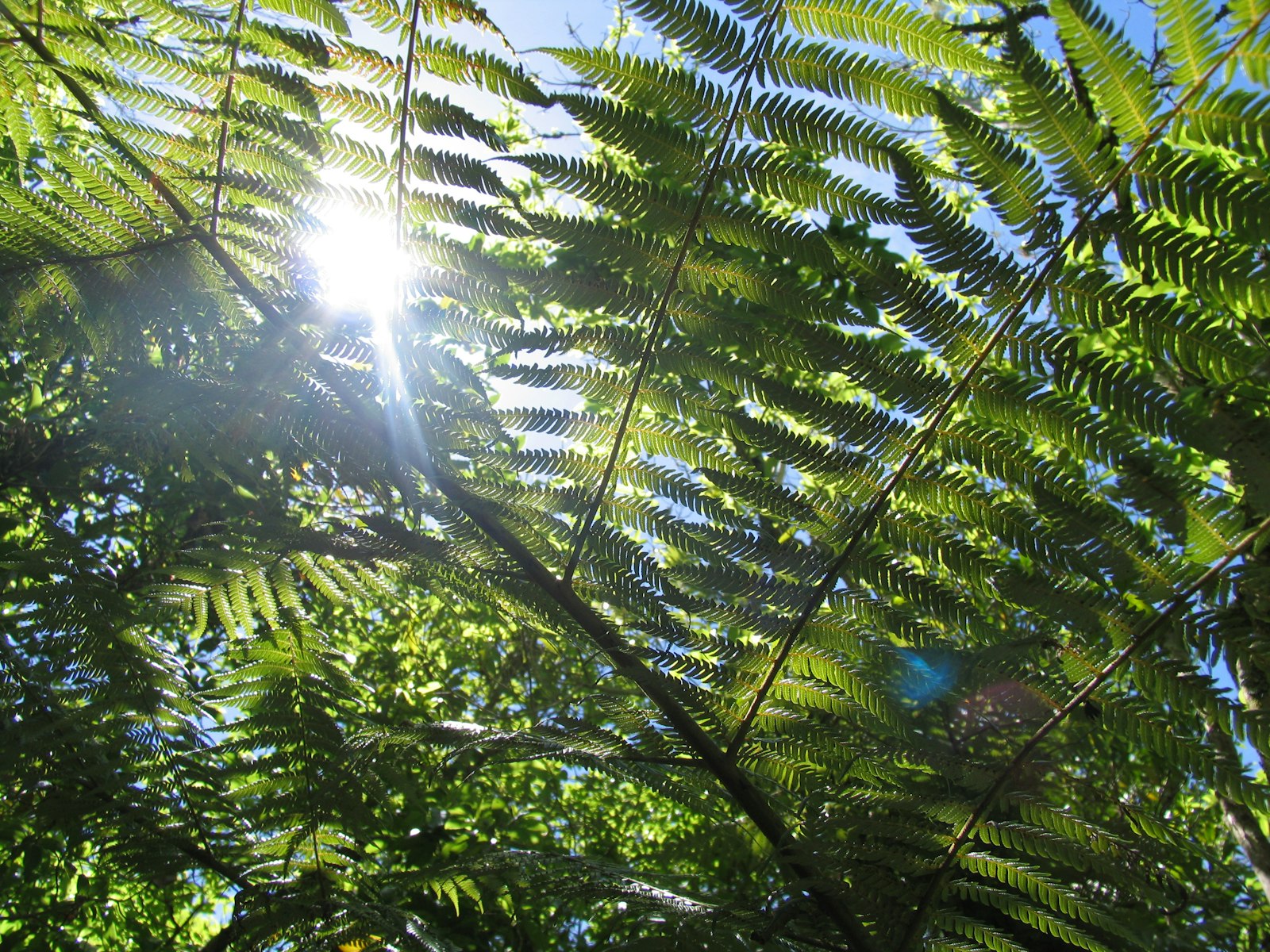
Most gardens in Singapore are designed around sun — a lawn that wants full exposure, a border planted for maximum bloom under strong tropical light. A woodland garden inverts that logic entirely, and it is precisely this inversion that makes it one of the more interesting choices available to anyone with a plot large enough, or shaded enough, to attempt one. Rather than fighting the shade cast by mature trees or a neighbouring structure, a woodland garden works with it, using layered planting to create the cool, textured, faintly mysterious feeling of a forest floor rather than the open brightness of a conventional tropical garden, and it is a style that rewards a patient, considered eye above almost any other.
Why Shade Is an Asset, Not a Problem
Homeowners with a heavily shaded plot — under an existing canopy of rain trees or angsana, say, or on the north side of a tall structure — often treat that shade as a limitation to be solved rather than a genuine design opportunity. A woodland garden reframes it. Shade-loving plants, layered from tall canopy down through understorey shrubs to a groundcover of ferns and mosses, create a sense of depth and enclosure that a sun-drenched garden simply cannot achieve. The effect is cooler underfoot, quieter, and — perhaps counterintuitively in a tropical climate already rich in greenery — more restful to walk through than the brighter, more exposed gravel gardens that suit full sun instead.
Building the Layers
The Canopy
If mature trees already exist on the plot, the woodland garden should be designed around preserving and working beneath them rather than clearing space for new planting schemes that compete with established shade. Where new canopy is needed, smaller flowering trees suited to partial shade — several of the native forest-edge species used in Singapore’s park connectors — establish faster than attempting to recreate a full rainforest canopy from scratch, which is neither realistic nor necessary for the effect to work at a domestic scale.
The Understorey
Beneath the canopy, broad-leafed shade-tolerant shrubs do the work of filling the middle layer — species chosen for leaf texture and form rather than flower colour, since flowering is naturally reduced in low light. This is where a woodland garden earns its textural reputation: overlapping leaf shapes and shades of green, rather than a single dominant colour, create the visual richness that a shaded garden depends on in the absence of bright bloom.
The Groundcover
Ferns, in particular the broader-leafed varieties that thrive in Singapore’s humidity, form the natural groundcover of a woodland scheme, supplemented by shade-tolerant groundcovers that spread to knit the planting together rather than leaving bare soil visible between specimens. A well-established groundcover layer is what ultimately makes a woodland garden feel finished rather than sparse, and it is usually the layer most gardeners underinvest in relative to the more visible canopy and understorey above it. For gardeners who want to take that lowest layer further, our guide to the moss and woodland floor garden treats it as a subject in its own right.
Paths and Materials
A woodland garden calls for a different palette of hard landscaping than a formal or contemporary tropical garden. Natural stepping stones set informally into groundcover, rather than a straight, formal paved path, suit the atmosphere far better, as does a mulched or bark path where maintenance allows. The goal is a path that feels discovered rather than imposed — winding rather than straight, disappearing periodically behind planting rather than offering a single unobstructed sightline from one end to the other. This same principle of a considered, meandering route applies to our broader guide on the considered garden path, which covers material choice for garden routes more generally.
“People think a woodland garden means neglect,” one Singapore landscape designer told us. “It’s actually some of the most carefully layered planting we do.”
Water and Light in a Woodland Scheme
A small water feature suits a woodland garden particularly well, precisely because still or gently moving water reads as calmer and more natural under filtered shade than it does in a bright, formal setting. A simple stone basin, fed by a discreet recirculating pump and tucked into the planting rather than positioned as a centrepiece, adds both sound and a further layer of texture without pulling focus from the surrounding greenery — an approach that borrows something from the stillness of a considered rockery or zen garden, even though the planting language is quite different. Lighting, too, needs particular care in a shaded scheme: harsh, direct spotlighting destroys the dappled, natural quality that makes a woodland garden work after dark, whereas low, warm-toned fixtures angled up through the understorey recreate something closer to filtered moonlight, and are far more forgiving of the informal, layered planting than a single bright floodlight would be.
Maintenance and Realistic Expectations
A woodland garden is not a low-maintenance choice, despite its informal appearance — the layered planting needs regular thinning to prevent any single vigorous species from dominating the understorey, and Singapore’s climate encourages growth fast enough that a woodland scheme can become genuinely overgrown within a single season if left entirely unchecked by a gardener who understands the layered planting well. What it does offer, in exchange for that ongoing attention, is a garden that looks considered in every season rather than peaking briefly at flowering time and looking sparse the rest of the year — a quiet, textured backdrop that changes gradually rather than dramatically, and rewards a slower, more attentive kind of looking than a garden built purely for colour and bloom alone ever really could manage across an entire tropical year. For a plot with genuine shade to work with, it is one of the more rewarding directions available within a Homes & Culture garden renovation, offering a completely different sensory experience from the sun-loving gardens that dominate most residential planting schemes in Singapore. It rewards patience over instant impact, since a newly planted woodland scheme takes several seasons to knit together into the layered, textured maturity that makes the style so distinctive, but few garden styles reward that patience quite so generously once the canopy and understorey have finally settled into their intended rhythm together.
Priya tours the homes most people only glimpse from the road, and asks how they are really lived in.


