The Art of the Chrysanthemum
Part genever, part amaro, part absinthe rinse, the Chrysanthemum is one of the more interesting cocktails a bar can put in front of a curious drinker.
 By Renée Tan
1 September 2026 · 6 min read
By Renée Tan
1 September 2026 · 6 min read
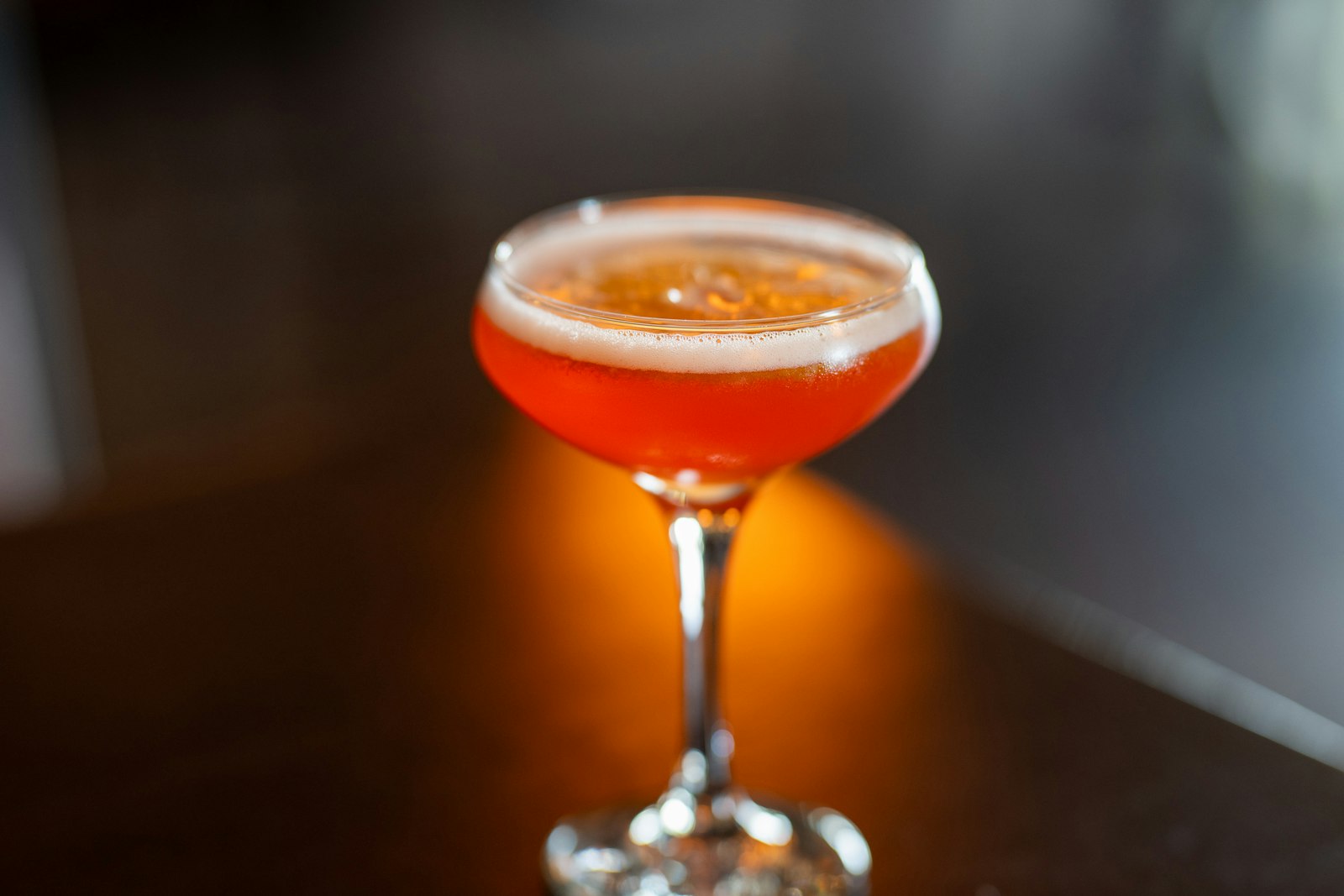
Order a Chrysanthemum at most bars in Singapore and you will likely be met with a pause, sometimes a quick check of a well-thumbed cocktail reference, occasionally an honest admission that the bartender has never made one. That is, in its way, the whole appeal. The drink — genever or dry vermouth, sweet vermouth, a rinse of absinthe or Bénédictine depending on which historical version you’re chasing, built and stirred rather than shaken — sits at an odd, interesting angle to the modern cocktail canon: old enough to have real pedigree, obscure enough that almost nobody has built an opinion about it yet.
Why genever, and why it matters here
Genever, the malty, juniper-forward precursor to modern gin, gives the Chrysanthemum a backbone that a drier London gin cannot replicate. Where gin pushes bright and botanical, genever brings a grainy, faintly sherried weight that plays beautifully against the herbal bitterness of a good amaro or vermouth. For readers curious about the category more broadly, a guide to genever and Dutch spirits is worth reading before ordering, since knowing what you’re drinking changes how you taste it — genever rewards patience in a way gin rarely asks for.
The amaro question
Some modern versions swap out part of the vermouth for a proper Italian amaro, chasing more bitterness and a longer, drier finish. Done well, this turns the drink from a gentle aperitif into something with real spine — closer to a Negroni’s seriousness than a classic Martini’s austerity. It is worth exploring the wider category through a guide to amaro and bitter liqueurs if the Chrysanthemum’s bitterness intrigues rather than intimidates, since the same bottles that make this cocktail work well are useful across a dozen other drinks.
Where the drink is turning up again
A handful of Singapore’s more considered cocktail bars — the kind that print a page of “forgotten classics” rather than only seasonal specials — have started slipping the Chrysanthemum back onto their lists, usually with a small note explaining its 1930s pedigree to curious drinkers. It rarely sells in volume, but it does something valuable for a bar’s reputation: it signals that the team behind the counter is reading old books, not just following trend reports. The instinct sits comfortably alongside the wider revival chronicled in the return of the classic cocktail bar, where entire menus are being rebuilt around drinks that fell out of fashion decades ago.
How to order it well
- Ask whether the bar uses genever or a genever-adjacent gin — the difference is significant and worth knowing before the first sip.
- Request the absinthe rinse be kept light; too heavy a hand overwhelms the more delicate vermouth notes.
- If bitter drinks appeal to you, ask whether they have an amaro-forward variation on hand.
Building one at home
The Chrysanthemum rewards a home bar precisely because its ingredients keep well and get used across many other drinks. A bottle of genever, a good sweet vermouth, and a small bottle of absinthe or Bénédictine will not go to waste even if the Chrysanthemum itself only gets made occasionally — all three show up again in Manhattans, Negronis and a dozen genever-based riffs. Stir, do not shake: this is a spirit-forward drink and shaking bruises the texture, introducing unwanted dilution and a cloudy appearance that undersells what should be a clear, jewel-toned pour.
A bartender who reintroduced the drink to her menu last year described it as “a Martini for people who think they’ve had every version of a Martini already” — which is, in its own understated way, a fairly accurate summary of the drink’s appeal.
A drink for the slow hour
Part of what makes the Chrysanthemum worth seeking out is timing. It is not a drink built for a loud Friday crowd; it belongs to the quieter hour, sipped slowly, ideally somewhere with good light and conversation rather than music loud enough to drown either. That mood is exactly what a handful of Singapore’s cocktail bars organised by craft have been cultivating deliberately — rooms built around the drink rather than the other way round, where a bartender has time to talk through a spirit’s history if you ask.
A short glossary for the curious
- Genever: malty, juniper-forward Dutch predecessor to gin, typically aged in oak.
- Amaro: Italian bittersweet herbal liqueur, ranging from light and citrus-forward to dense and medicinal.
- Rinse: a technique where a small amount of a strong spirit coats the glass rather than being mixed into the drink itself.
What ultimately makes the Chrysanthemum worth chasing down is not novelty for its own sake, but the way it rewards a drinker who has already worked through the standard classics and wants something with equal rigour but less familiarity. It asks for a bar that knows its history, ingredients that keep for other uses, and an evening with room to slow down. Order one the next time it appears on a menu in the Dining & Drinks section of the city’s better rooms, and give it the patience it was designed for — the reward is a drink that manages to feel both entirely classic and, to most modern drinkers, completely new.
A short history worth knowing
The Chrysanthemum first appears in print in the early twentieth century, in an era when equal-parts, stirred cocktails were the standard rather than the exception. It survived the intervening decades largely in the margins of cocktail reference books, cited more often than actually made, which is part of why so few working bartenders today have poured one before a curious guest asks. That obscurity is not a mark against the drink — it is closer to a mark against how narrow the modern cocktail canon became for several decades, favouring a handful of shaken, citrus-forward drinks over the stirred, spirit-led style the Chrysanthemum represents. The equal-parts format has since found a modern expression in a very different style of drink, explored in our piece on the art of the Paper Plane.
Serving temperature and glassware
Because the drink is entirely spirit and fortified wine, temperature control matters more than it might for a lighter, juice-based cocktail. A proper stir over good ice, strained into a chilled coupe, keeps the drink cold without diluting it into blandness. Served too warm, the genever’s malt character can turn cloying rather than comforting; served in the wrong glass, with too much surface area, it warms up before the second sip. These are small details, but they are exactly the kind of details that separate a bar that understands the drink from one simply following a printed recipe card.
Renée has covered Singapore's restaurants for over a decade, with a soft spot for the kitchens most people walk past.