The Art of the Ceramics and Pottery Trail
Following Asia's ceramics trail means visiting the kiln towns themselves, where technique, clay and glaze have been refined across many careful generations.
 By Marcus Lim
31 August 2026 · 6 min read
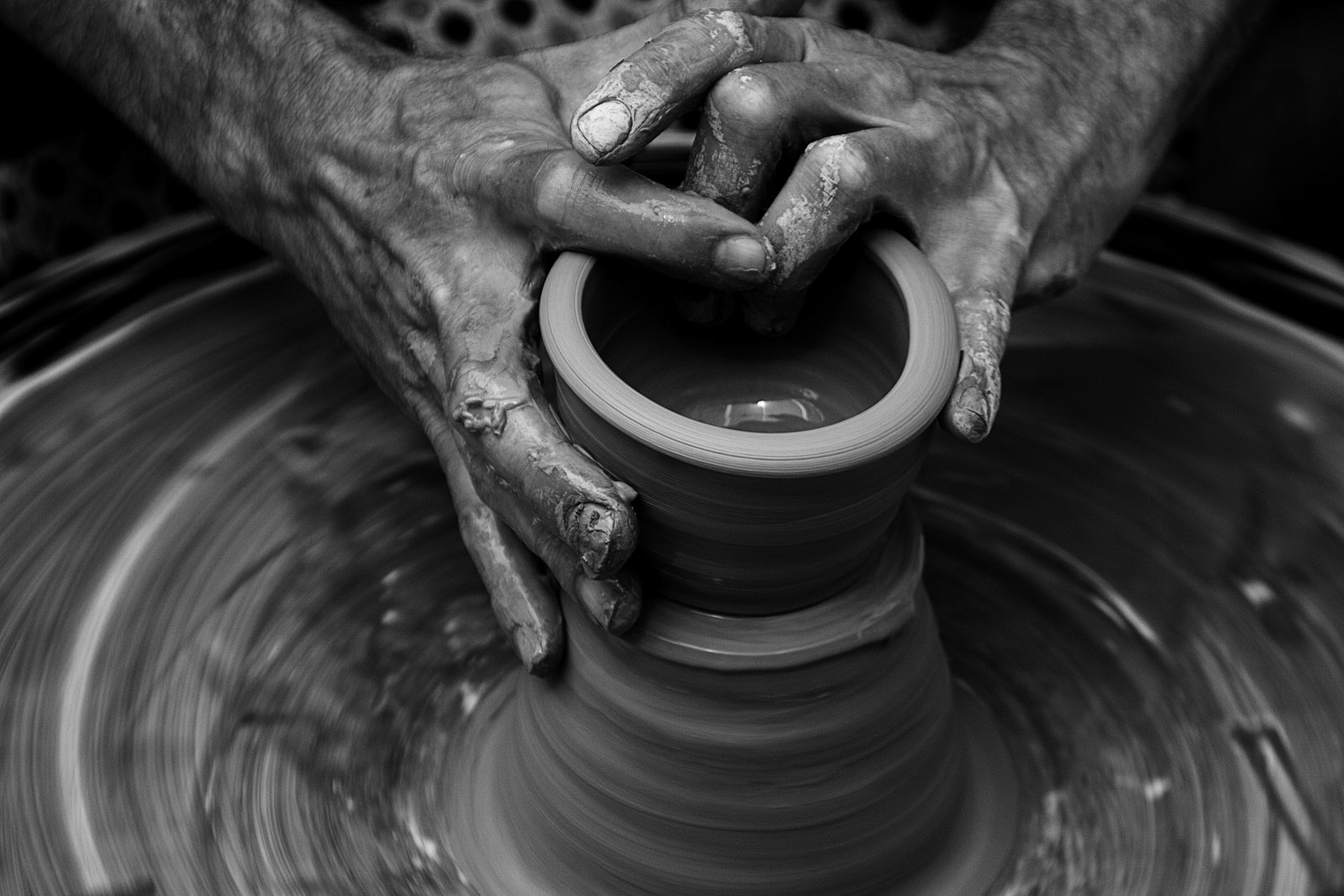
Asia’s great ceramics traditions were never built in isolation; they developed in specific towns, around specific clay deposits and kiln technologies, often passed down within the same families across many generations. Following the ceramics trail across the region means, in practice, visiting these towns directly — not simply buying finished pieces in a city gallery, but watching a potter’s hands work the wheel, understanding how a particular clay behaves in a particular kiln, and seeing how centuries of accumulated technique still shape decisions made today.
Japan’s Kiln Towns
Japan’s ceramics geography is famously specific, with distinct traditions tied to individual towns rather than broad regions. Bizen, unglazed and wood-fired, prized for the unpredictable natural patterns left by ash and flame; Hagi, prized for its soft, porous glaze that changes character subtly with years of use; Mashiko, associated with the folk-craft movement and a deliberately rustic, unpretentious aesthetic. Each town rewards a visit specifically because the tradition cannot be fully separated from its place — the clay itself is often sourced locally, and kiln-firing techniques developed in response to the specific characteristics of that clay over centuries of trial and refinement.
Matsue, in Japan’s Shimane prefecture, sits within reach of several of these traditions and makes a natural base for travellers building a ceramics-focused itinerary through the region’s less-visited western coast. Our guide to Matsue’s best boutique hotels is worth reading alongside this piece for anyone planning to use the town as a jumping-off point for the surrounding kiln towns.
What to Look For When Visiting a Kiln Town
- A workshop willing to let visitors watch the actual throwing and glazing process, not just a retail showroom.
- Evidence of a wood-fired or traditional kiln still in active use, rather than an exclusively electric or gas setup.
- A potter able to explain the specific local clay’s character and why it suits their particular technique.
- Small, imperfect pieces on sale alongside the polished showpieces — often the more honest representation of the craft.
Beyond Japan
While Japan’s ceramics towns are perhaps the most codified and internationally recognised, significant traditions run across much of the wider region, from Korea’s celadon and buncheong wares to smaller, less internationally known Southeast Asian pottery communities working in older, often less formally documented techniques. A serious ceramics trail through Asia benefits from crossing these borders rather than staying within a single country’s tradition, since the contrasts — between, say, Japan’s restrained wabi-sabi aesthetic and the bolder colour and form found in some Southeast Asian folk pottery — deepen appreciation of each individual tradition considerably.
“You understand your own country’s pottery better once you’ve seen how differently another tradition solved the same basic problems,” one Kyushu-based potter told us.
A Craft Trail Beyond Clay
Ceramics rarely travels alone as a regional craft tradition, and towns known for pottery frequently sit within a broader landscape of textile, lacquer and woodworking traditions worth exploring on the same trip. Our companion guide to Asia’s textile and craft trail covers this adjacent territory, and travellers with a genuine interest in regional material culture will find the two trails overlap more than a casual glance suggests, often converging in the same small towns where multiple crafts developed alongside each other.
Bringing Something Home Thoughtfully
Buying directly from a workshop, rather than a curated retail gallery in a major city, tends to produce more meaningful purchases, both because the price better reflects the actual labour involved and because you carry with you a genuine understanding of how the piece was made. It is worth asking a potter directly about the piece you are considering — how long the firing took, what went wrong along the way, what makes this particular piece distinct from the dozen others on the same shelf — since these details are, in our experience, what make a piece of pottery feel like a considered object rather than a souvenir.
Planning the Route
A well-planned ceramics trail benefits from slowness in the same way the pottery itself does, allowing time in each town rather than rushing between kiln sites on a tight schedule. For readers planning a longer, craft-focused itinerary across the region, our continuing coverage in Travel & Stays tracks the towns, workshops and small stays that make this kind of considered, slow travel genuinely rewarding.
Understanding Glaze and Firing
Part of what makes visiting these towns directly so much more rewarding than buying finished ceramics elsewhere is the chance to understand glaze and firing as living, variable processes rather than fixed outcomes. A wood-fired kiln, unlike a modern gas or electric one, introduces genuine unpredictability into every firing — ash falling unevenly across a piece, temperature fluctuating slightly by position within the kiln — and potters working in this tradition have, over generations, learned to work with this unpredictability rather than against it, sometimes deliberately positioning pieces to court a particular kind of accident. Watching a potter discuss which pieces from a single firing succeeded and which did not, and why, reveals a level of technical judgement that is simply invisible when a finished piece is purchased in isolation from its making.
Glaze recipes, similarly, are often closely guarded within individual family workshops, developed and refined across generations through careful record-keeping and experimentation, and asking a potter about the specific minerals or ash sources behind a particular glaze’s colour is usually a welcome conversation rather than an intrusive one — most potters we have met on this trail are eager to talk about their craft with a genuinely curious visitor, provided the interest is real rather than performative.
Travelling With Fragile Purchases
A practical note worth including: buying ceramics on a multi-stop trip requires some planning for transport, since checked luggage and delicate glazed pieces do not mix well. Many workshops in Japan’s established kiln towns are experienced with international shipping and can arrange it directly, which is often the more reliable option for a larger or more fragile purchase than attempting to carry it home in a suitcase. It is worth asking about this option before making a significant purchase, rather than discovering the workshop’s shipping capability only after deciding what to buy.
Marcus writes on travel and hospitality across Asia, and is happiest a long way from a lobby.