How to Pair Beer With Food
Wine gets all the credit at the table. A guide to pairing beer with food properly, and why the category deserves far more consideration than it gets.
 By Renée Tan
30 August 2026 · 5 min read
By Renée Tan
30 August 2026 · 5 min read
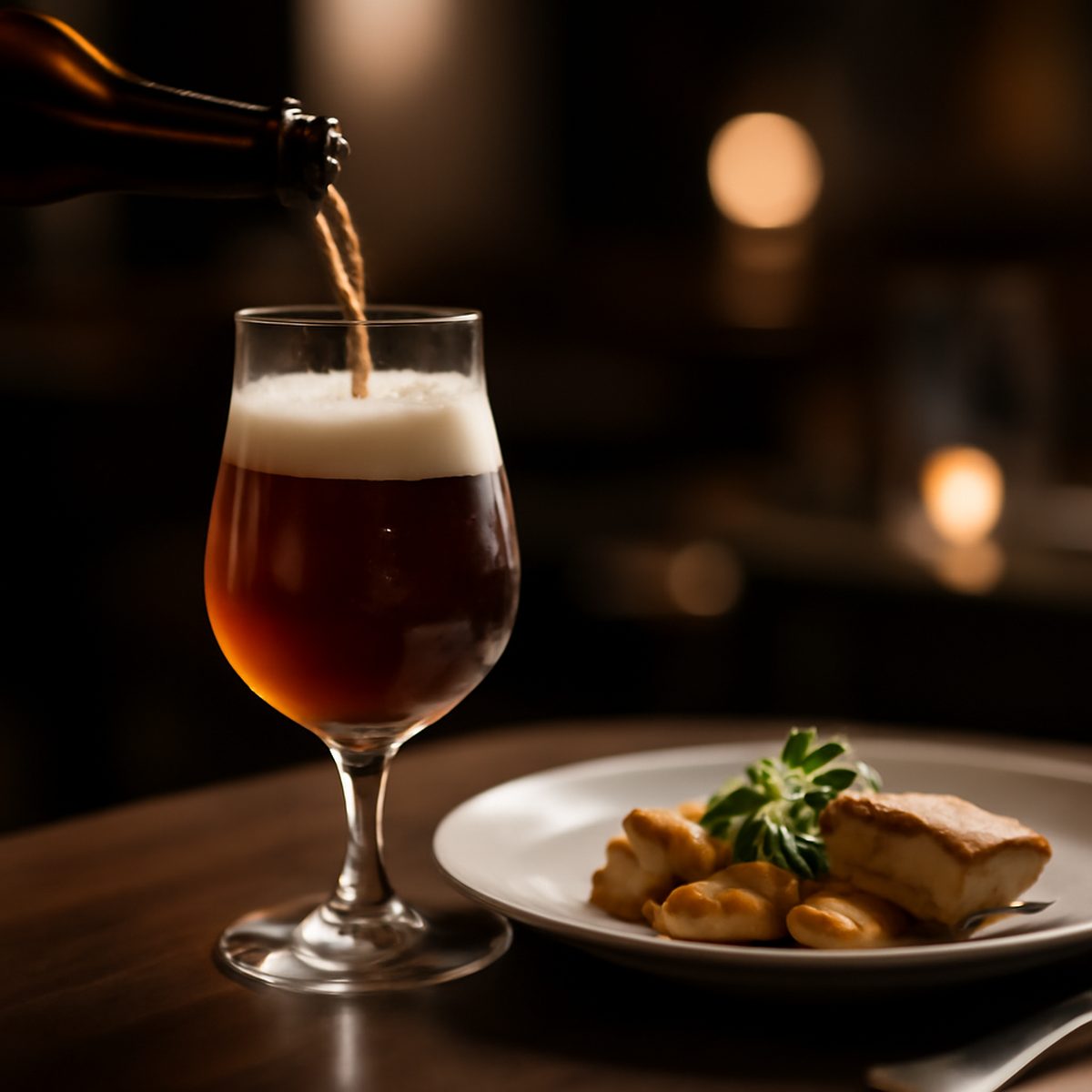
Wine has long claimed the table’s serious attention when it comes to pairing, while beer has too often been relegated to a casual, secondary role — something to drink alongside food rather than genuinely with it. This hierarchy has never made much logical sense. Beer offers a range of carbonation, bitterness, sweetness, and roast character that arguably gives it more pairing tools than wine, not fewer, and Singapore’s growing craft beer scene has made the case for taking these pairings seriously with increasing conviction.
Why beer pairs so well, structurally
Carbonation is beer’s most underrated pairing asset. The bubbles actively scrub the palate between bites, cutting through fat and richness in a way still wine simply cannot replicate, which makes beer an unusually effective partner for fried, fatty, or heavily sauced dishes. A crisp, well-carbonated pilsner alongside fried chicken or tempura performs a genuinely useful function beyond flavour matching — it resets the palate for the next bite far more efficiently than most wines manage.
Bitterness, too, offers pairing possibilities wine lacks in the same register. A hoppy IPA’s bitterness can stand up to intensely spiced or umami-rich food in ways that would overwhelm a delicate wine entirely, making beer a genuinely superior match for many Southeast Asian dishes that wine pairing guides have historically struggled to serve well. Roasted malt character in stouts and porters, meanwhile, offers a natural bridge to grilled, charred, or caramelised foods, echoing similar compounds created by the Maillard reaction in cooking.
Pairing principles worth learning
- Match intensity, not just flavour — a delicate wheat beer will be overwhelmed by a heavily spiced curry, just as an intensely bitter double IPA can flatten a subtle, delicately seasoned dish.
- Use contrast deliberately — a slightly sweet beer can balance intense spice, while a dry, bitter beer can cut through rich, fatty preparations.
- Consider carbonation as a palate reset — higher carbonation works particularly well with fried and fatty foods.
- Don’t ignore sour beers — a well-made sour or wild ale can perform much of the acidic, palate-cleansing role a crisp white wine typically plays, often with more complexity.
Specific pairings worth trying
A classic Belgian saison, dry and peppery with a high carbonation, pairs remarkably well with seafood and the kind of dishes explored in our guide to the best seafood restaurants, by craft — its effervescence and subtle spice complementing shellfish and grilled fish without overwhelming their delicacy. A rich, malty brown ale or amber lager, meanwhile, makes a natural partner for red meat, standing up to the kind of dishes covered in our feature on the best steakhouses, reconsidered in a way few casual drinkers expect from beer.
Spicy Southeast Asian food, often a genuine challenge for wine pairing, tends to find a far more natural partner in beer — a crisp lager or a slightly sweet wheat beer can tame chilli heat considerably more gracefully than most wines manage, offering useful lessons that overlap with our broader exploration of how to pair wine with spicy Asian food, where beer is frequently mentioned as the more forgiving alternative for particularly fiery dishes.
“People assume beer pairing is less refined than wine pairing,” one craft brewer in the city has said. “It’s not less refined — it’s just a completely different toolkit, and most people have never been taught to use it.”
Cheese and beer, an underrated combination
The classic pairing of wine and cheese, covered in depth in our guide to how to match wine and cheese, has a genuine rival in beer that deserves more attention than it typically receives. A hoppy IPA can cut through a rich, creamy cheese with more precision than many wines manage, while a Belgian dubbel’s caramel sweetness pairs beautifully with aged, nutty cheeses in a way that mirrors, rather than competes with, their flavour profile. Cheese and beer pairing events have become increasingly common at Singapore’s better bottle shops and taprooms, offering an accessible entry point for drinkers curious to explore the category beyond a casual pint.
Building confidence without formal training
Unlike wine, which has developed an entire, sometimes intimidating vocabulary and certification system around serious pairing, beer remains a category where genuine expertise can be built through straightforward, repeated tasting rather than years of formal study. Most independent bottle shops and taprooms in Singapore are staffed by people who genuinely want to talk through a pairing decision, and asking directly — “I’m having grilled fish tonight, what would you pour with it?” — tends to produce far more useful, specific guidance than a printed pairing chart ever could. Building a mental map of even four or five beer styles and their general pairing tendencies, in the way many people already do instinctively with red versus white wine, is enough to transform how beer is chosen at the table.
Temperature also deserves more attention than it typically receives. Beer served too cold mutes both flavour and aroma considerably, which is precisely why many craft styles are best served several degrees warmer than a standard refrigerator setting — closer to cellar temperature for stronger, more complex beers, allowing the full range of flavour to actually reach the palate and do its intended pairing work. A beer poured straight from the fridge and drunk immediately is rarely showing its best self at the table, regardless of how carefully it was chosen — a few minutes of patience before the first sip often does more for the pairing than any amount of careful selection beforehand.
The verdict
Beer deserves a genuine seat at the pairing table, not as a casual alternative to wine but as a category with its own distinct and genuinely useful set of tools — carbonation, bitterness, roast, sweetness — that solve pairing challenges wine sometimes cannot. Singapore’s growing craft beer scene has made exploring this considerably easier than it once was, and diners willing to approach a beer list with the same curiosity they bring to a wine list tend to be rewarded accordingly. More of the city’s considered drinking culture is covered across Dining & Drinks.
Renée has covered Singapore's restaurants for over a decade, with a soft spot for the kitchens most people walk past.