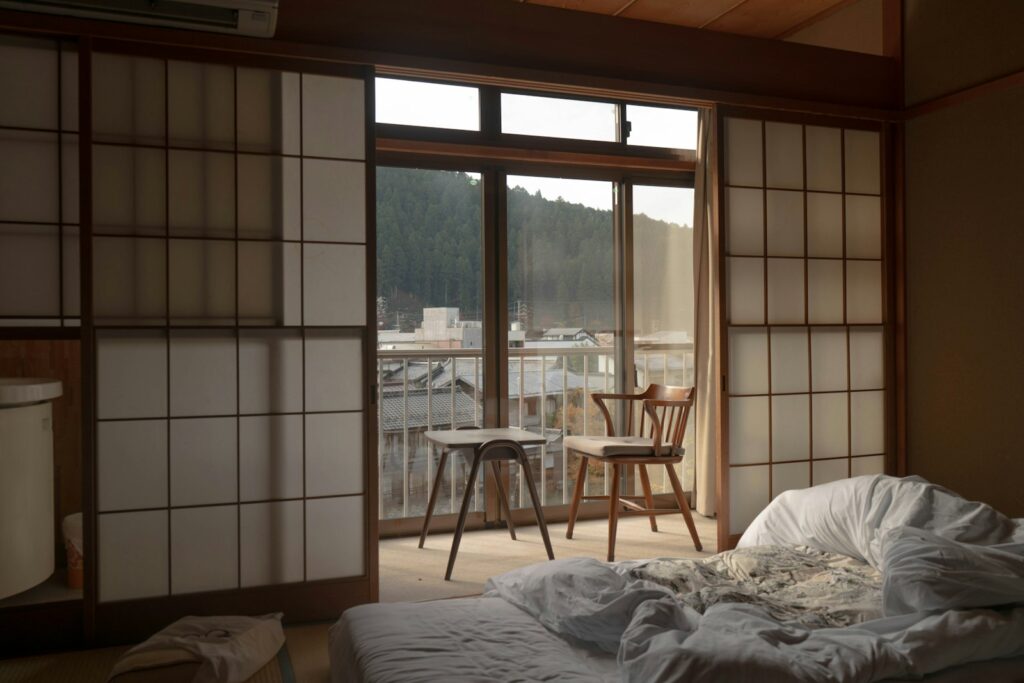
Forty-Eight Hours in Hakone
Forty-eight hours is enough time in Hakone if you plan it properly. Here is a considered itinerary built around onsen, lake views and unhurried pace.
 By Marcus Lim
30 August 2026 · 6 min read
By Marcus Lim
30 August 2026 · 6 min read

Hakone occupies an unusual position among Japan’s easy day-trip destinations from Tokyo: close enough — around ninety minutes by limited express train — to be treated as a rushed single-day excursion, and rich enough in its own right to deserve considerably more than that. Onsen culture, volcanic geology, lake views of Fuji on a clear day, a genuinely excellent open-air art museum, and a network of traditional ryokan that count among Japan’s finest — Hakone rewards slowing down in a way that a day trip simply cannot accommodate.
Day one: arrival and the onsen ritual
Arrive in the late morning if possible, and resist the temptation to pack the first day with sightseeing. Check into a ryokan early, even if the room is not quite ready — most will hold luggage and let guests use the common bathing facilities before formal check-in. The heart of a Hakone stay is the onsen ritual itself: bathing properly, which means washing thoroughly before entering the communal bath, never bringing a towel into the water, and treating the whole process with the unhurried patience it is designed to encourage rather than rushing through it as a novelty. Readers unfamiliar with the finer points of this ritual should read our guide to onsen etiquette and culture before their first visit, since a few small missteps are easy to avoid with a little preparation.
Spend the afternoon exploring Owakudani, the volcanic valley formed by Mount Hakone’s last major eruption, where sulphurous steam still vents visibly from the rocky terrain. The blackened eggs sold here, boiled in the naturally acidic hot spring water, are a genuine local tradition rather than a tourist gimmick — eating one is said to add several years to your life, and whether or not you believe the folklore, they are worth trying. Return to the ryokan in the late afternoon for a second bath before the kaiseki dinner that most traditional properties include as part of the stay — a genuinely excellent, multi-course introduction to the format for travellers who have not yet encountered it properly. Readers curious about that dining tradition specifically should also read our guide to the best kaiseki and multi-course Japanese dining, which covers the format’s structure and philosophy in more depth.
Day two: the lake, the art, and the journey home
Start the second day at Lake Ashi, ideally early, before the day-trip crowds arrive from Tokyo. On a clear morning, the lake offers one of the more reliable views of Mount Fuji available within easy reach of the capital, particularly from the Moto-Hakone side of the shoreline. The Hakone Shrine, with its lakeside torii gate rising directly out of the water, is a short walk from here and worth the detour even for travellers who have seen a great many Japanese shrines already — the setting genuinely elevates it.
A short but essential list for the second day
- Lake Ashi at sunrise or shortly after, before the tour groups arrive.
- The Hakone Open-Air Museum, an outdoor sculpture park with a genuinely excellent Picasso collection housed separately, if time allows.
- A final onsen soak before checking out, if your ryokan allows a late departure.
- The Hakone Tozan railway back toward Odawara, a scenic switchback line worth taking for its own sake rather than purely as transport.
“Most visitors treat Hakone as a box to tick on the way to somewhere else. The ones who actually stay overnight are the ones who understand what the place is for,” a ryokan proprietor told us, describing the difference between the day-trip crowd and overnight guests.
Practical notes on timing and booking
Ryokan bookings in Hakone should be made well in advance, particularly for the more highly regarded properties, which often have only a handful of rooms and book out months ahead during peak seasons — spring cherry blossom and autumn foliage especially. For travellers keen to pair a Hakone stay with a longer, more traditional ryokan-focused itinerary elsewhere in Japan, our guide to the onsen ryokan worth the journey is a useful companion covering properties further afield. The Hakone Free Pass, covering most local transport including the cable car, ropeway and pirate-ship-styled lake cruises, is worth purchasing at the outset rather than paying for individual legs separately, both for convenience and genuine cost savings across a two-day stay.
Weather is worth checking closely before committing to a specific itinerary sequence — Fuji’s visibility from Lake Ashi is notoriously weather-dependent, and it is worth building in some flexibility to prioritise the lake views on whichever morning looks clearest, rather than fixing the schedule too rigidly in advance.
Why forty-eight hours, not twenty-four
The case for staying overnight in Hakone rather than day-tripping comes down almost entirely to pace. A single onsen soak, however good, is a very different experience from the full ritual of bathing at dusk, again before dinner, and once more the following morning — the kind of repeated, unhurried immersion that actually delivers on what onsen culture promises. Hakone rewards travellers willing to give it the two days it actually deserves, rather than squeezing it into a rushed detour between Tokyo commitments.
For more of our considered travel guides across the region, explore Travel & Stays.
What to pack, and what to leave at the hotel in Tokyo
Hakone’s climate shifts noticeably with elevation, and even a short cable car ride up toward Owakudani can be considerably cooler and windier than the valley floor, particularly outside summer. A layer beyond what feels necessary in central Tokyo is worth packing, along with comfortable, grippy footwear for the short but sometimes uneven walking paths around the volcanic valley and lakeside shrine. Formal onsen etiquette also means leaving swimwear behind entirely — traditional bathing is done without it — so it is worth understanding and being comfortable with that custom before arrival rather than being caught off guard at check-in.
Luggage is another practical consideration worth planning around. Many visitors arrive in Hakone directly from elsewhere in Japan with substantial luggage, and while most ryokan will store bags happily, it is worth using a forwarding service to send larger suitcases ahead to a later destination, travelling to Hakone itself with only what is needed for the two-night stay. This small piece of logistics meaningfully improves the ease of getting around a destination that, despite its excellent transport network, still involves a fair amount of walking between the cable car, ropeway and lake cruise connections.
Marcus writes on travel and hospitality across Asia, and is happiest a long way from a lobby.