Choosing the Right Sofa, for Life
Most people choose a sofa the way they choose a rug: by colour. Here is what actually determines whether it survives twenty years of real living.
 By Priya Nair
29 August 2026 · 6 min read
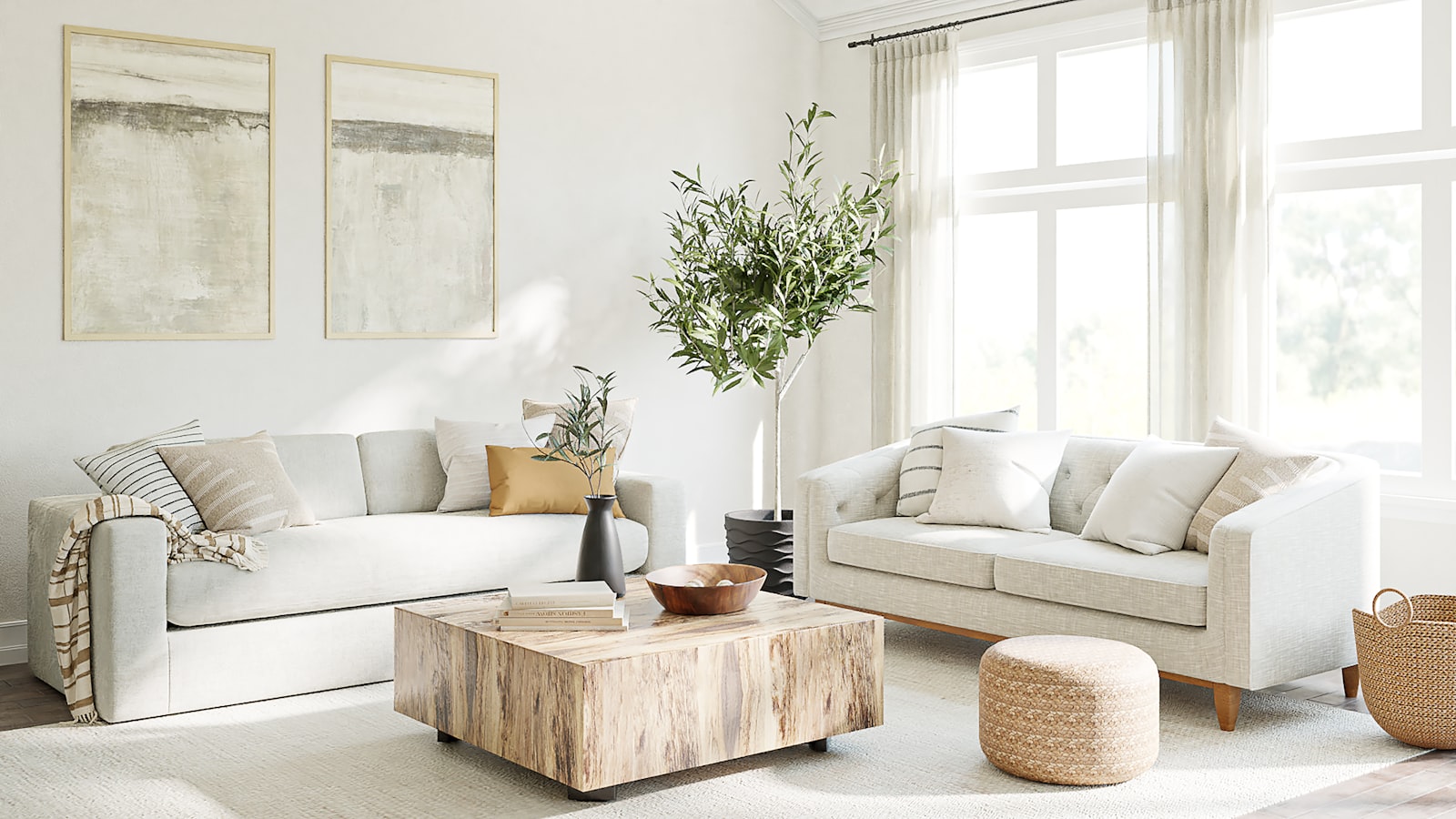
Of all the furniture a home accumulates over a lifetime, the sofa is the piece most likely to be chosen in a hurry and lived with the longest. It is bought on a Saturday afternoon, tested for perhaps ninety seconds in a showroom, and then asked to absorb two decades of dinners eaten on laps, children jumping, dogs curling into corners, and the particular wear that comes from being the one piece of furniture a household actually touches every single day. Choosing well at the outset saves an enormous amount of regret, and it has almost nothing to do with which fabric swatch looks best under showroom lighting.
The frame is the whole decision
Everything else about a sofa — the cushions, the fabric, the legs — can be replaced or reupholstered. The frame cannot, not economically, and it is the frame that determines whether a sofa survives fifteen years or five. Kiln-dried hardwood, properly joined with dowels, screws, and corner blocks rather than staples and glue alone, is the standard worth insisting on, even though it is invisible under the upholstery and impossible to verify from a showroom floor. Ask directly what the frame is made from; a reputable maker will answer specifically, and vague answers are themselves an answer.
What to check before buying
- Sit test properly: spend at least ten minutes in the exact configuration you would use it, not a quick perch.
- Ask about the suspension system — webbing, coil springs, or a combination — which determines how the seat feels after years of use, not just on day one.
- Check the filling: high-density foam wrapped in down or fibre gives the comfort of down with more shape retention than down alone.
- Consider the fabric’s practical life, not just its look, particularly in a tropical, humid climate where certain weaves hold moisture and odour more than others.
Scale, before style
A sofa that is the right shape for the wrong room undermines everything else about a space, including the careful choices made in a considered dining room or an adjoining coffee table arrangement nearby. Measure the room properly, account for walking paths, and resist the pull toward a sofa sized for the showroom’s cavernous floor rather than an actual living room. A slightly smaller sofa that leaves the room breathing space nearly always looks more considered than a large one that crowds every other piece of furniture in the room.
Fabric and colour, for the long term
Trend-driven upholstery colours date faster than almost any other decision in a home. A neutral base — oatmeal, stone, a deep charcoal, or a warm taupe — gives a sofa the flexibility to sit through several rounds of cushion, throw, and rug changes without ever looking wrong. Performance fabrics, once associated only with practicality, have improved enormously and now offer genuine texture and depth alongside stain resistance, worth serious consideration for households with children, pets, or a habit of eating on the sofa rather than at the table.
“People spend weeks choosing a rug and ten minutes choosing the sofa it sits in front of,” says one Singapore interior designer who specialises in long-term family homes. “It should really be the other way round. Everything else in the room changes faster than the sofa does.”
Reupholstery: the case for buying once
A well-made sofa with a sound frame can be reupholstered two or three times over its life, which changes the entire economics of the purchase. Spending more at the outset on genuine construction, then refreshing the fabric a decade later, works out considerably cheaper — and far less wasteful — than replacing a poorly made sofa every five years. This logic mirrors the thinking behind the case for vintage rugs, where quality upfront pays for itself across a much longer horizon than the initial price tag suggests.
Delivery, break-in, and the first year
A new sofa rarely feels its best in the first few weeks. Cushions filled with genuine down or a down-fibre blend need time to settle and loft properly, and what feels slightly firm in a showroom or on delivery day often softens into its intended comfort after several weeks of regular use. Resist the urge to judge a sofa’s long-term feel too early, and resist equally the urge to over-plump cushions daily in the first months, which can prevent natural settling from happening evenly. A sofa with a well-built frame and proper filling should, after this initial break-in period, hold a consistent, comfortable shape for many years without needing intervention beyond the occasional rotation and plumping of loose cushions.
It is also worth asking, before delivery, about access — lift dimensions, stairwells, and doorways have ended more than one sofa purchase in an unhappy return. A reputable retailer will measure this properly before confirming an order, and it is a question worth asking directly rather than assuming it has been checked.
Modular versus fixed: which suits real life
The rise of modular sofa systems, with individually reconfigurable sections, has given households genuine flexibility that a traditional fixed-frame sofa cannot match, particularly useful for those who move homes periodically or whose living arrangements change over time, such as a growing family. The trade-off is usually in long-term structural integrity: more joints and connection points generally mean more potential failure points over a decade of use than a single, well-built fixed frame. For a household that expects to stay put and values longevity above flexibility, a traditional fixed sofa from a maker who stands behind their frame construction remains the more dependable long-term choice; for one that values adaptability as living needs shift, a well-made modular system, chosen from a maker known for quality rather than price alone, is a reasonable trade to make.
The sofa as the room’s anchor
More than almost any other piece, the sofa sets the tone for how a room is used and how it feels to be in. Chosen carefully, it becomes the piece the rest of the room is built around, rather than a placeholder waiting to be replaced once budget allows. Take the time the decision deserves, ask the unglamorous questions about frames and suspension, and the sofa bought this year has every chance of still being the right sofa in twenty. For more on furnishing rooms built to last, explore our Homes & Culture section.
Priya tours the homes most people only glimpse from the road, and asks how they are really lived in.