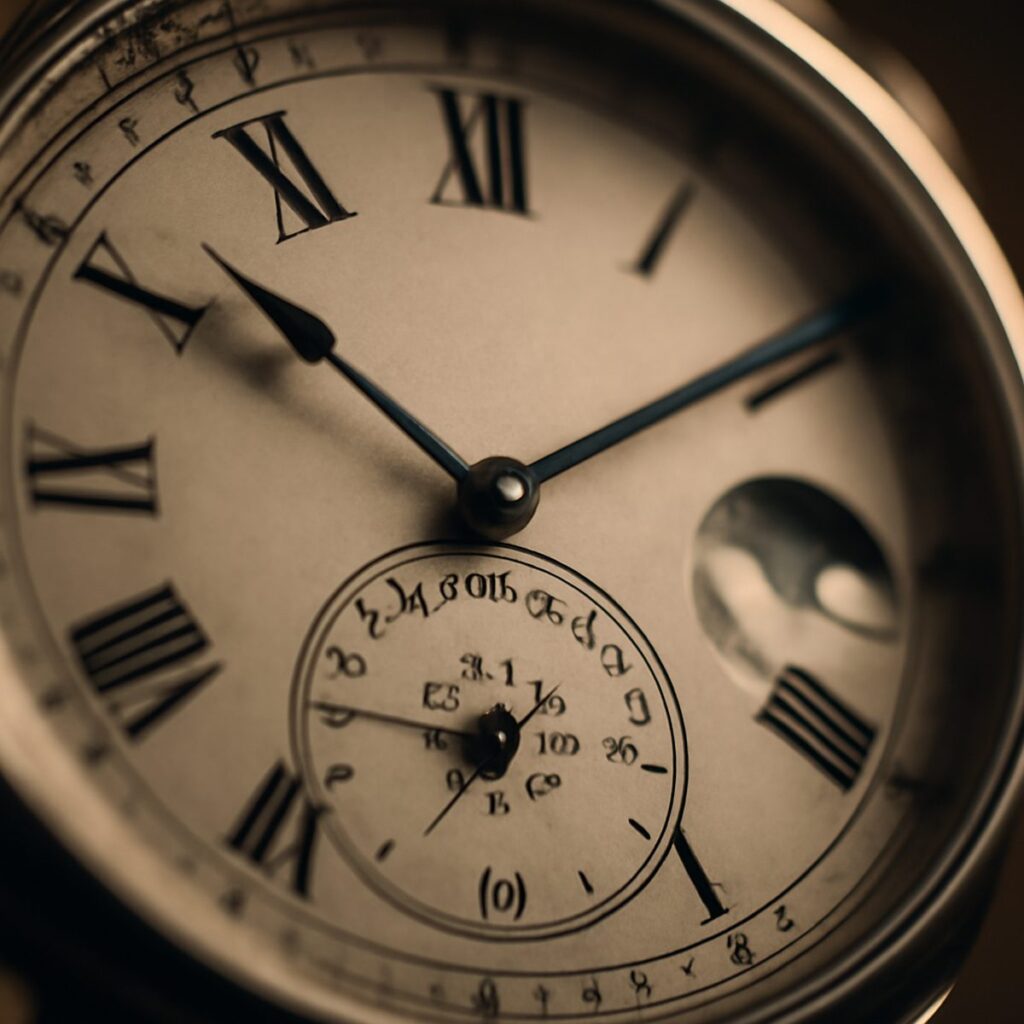
A Guide to Matching a Watch to an Occasion
From a slim dress piece under a French cuff to a robust sports watch for the weekend, a look at reading the room and choosing the wrist to suit it.
 By Daniel Koh
2 September 2026 · 6 min read
By Daniel Koh
2 September 2026 · 6 min read

There is a small, telling moment before any evening out when a man opens a drawer and hesitates over which watch to fasten. It is a decision that rarely troubles anyone but the wearer, and yet it sets a tone. A watch is the one piece of jewellery most men allow themselves, and unlike a tie or a pocket square it stays on the wrist from the first handshake to the last. Matching it to the occasion is less a matter of rules than of reading the room, and the reading improves with practice.
The dress watch and the case for restraint
For formal evenings, a dress watch does its best work by disappearing. The ideal is thin enough to slip under a shirt cuff without a fight, with a clean dial, slim baton markers and a leather strap in black or dark brown. Restraint is the whole point. A dinner jacket asks for a watch that whispers rather than announces, and a slim case in a precious or pale metal reads as confidence rather than display. The same logic that governs a well-chosen shoe applies here; there is a reason the same wearer who reaches for a plain calf oxford also reaches for a quiet dial. If you are still assembling the foundations of a formal wardrobe, the discipline that shapes a charcoal suit worth owning is the same discipline that shapes a dress watch: buy once, buy plain, wear for decades.
The sports watch and the weekend
At the other end sits the sports watch, and it is happiest when the collar is open. A dive watch or a robust chronograph on a steel bracelet suits linen, chinos and the general looseness of a Saturday. It can take a knock, it can take the sun, and it looks entirely at home beside a pair of suede loafers in the tropics. The mistake is to wear it with tailoring that outranks it. A sports watch under a sharply cut suit can look as though the wearer dressed in a hurry, though a handful of designs have earned enough cultural weight to bridge the gap. When in doubt, ask whether the watch would look comfortable holding a paddle or a wine glass; the answer usually settles the matter.
Reading the middle ground
Most of life happens between black tie and the beach, and this is where judgement earns its keep. A field watch, a slim automatic on a leather strap, or a clean three-hander in steel will carry a man through the office, a lunch, a gallery opening and dinner without a change. The versatile middle is worth investing in first, because it does the most work.
A quick working order
- Black tie and formal dinners: slim dress watch, leather strap, minimal dial.
- Business and city days: a clean automatic, steel or leather, nothing loud.
- Weekends and travel: a sports watch or field watch that shrugs off the day.
- Black-strap events after dark: keep the metal cool and the case thin.
The point of a list like this is not to obey it but to internalise it, so the drawer decision takes a second rather than a minute. A well-chosen watch strap can shift a single piece across two or three of these categories, which is why the seasoned collector often owns fewer watches and more straps than the novice assumes.
The watch that suits every occasion is usually the one you stop noticing on your own wrist, and that is precisely the compliment it is paying you.
Strap, metal and the small adjustments
A watch is not a fixed object. Swap a steel bracelet for a supple leather strap and a tool watch edges towards town; add a textile strap and a dress watch loosens for the weekend. The colour of the strap should answer to the shoes and the belt more than to the dial, which is the oldest piece of tailoring wisdom applied to the wrist. Warm brown leather sits with tan and mid-brown; black leather belongs with black shoes and formal cloth. Get that harmony right and a single watch quietly earns its keep across a week of very different days.
The one-watch question
Not everyone wants a drawer of watches, and there is a strong case for owning only one, chosen so carefully that it never looks wrong. The one-watch answer is almost always a slim automatic in steel on a leather strap, with a clean dial and a case modest enough to slip under a cuff yet robust enough to survive a weekend. Such a watch reads as formal from a distance and relaxed up close, which is exactly the ambiguity a single piece needs. If you go this route, spend where it counts, on the movement, the dial finishing and the case, rather than on a complication you will rarely use. A well-made three-hander will outlast every trend and settle every occasion, and the discipline of living with one watch teaches a man more about his own taste than a full collection ever could. It also removes the morning hesitation entirely, which is its own small luxury.
Climate, cuff and the Singapore question
In a warm, humid city the calculus shifts. Leather straps suffer in the heat and steel can feel cold and heavy against the skin, so many local wearers keep a rubber or textile strap for the worst of the season and save the leather for the air-conditioned evening. A shirt cuff sits differently on a damp wrist, too, which is one more argument for a thinner case that will not catch and drag. None of this is a rule so much as a set of quiet accommodations, the sort a man makes without mentioning them.
If there is a single lesson, it is that matching a watch to an occasion is really about matching it to yourself on the day. A collector who owns a genuine dress watch worth reaching for alongside a hard-wearing weekend piece has already solved most of the equation; the rest is the small pleasure of choosing. Browse the wider world of watches and tailoring in our Style & Watches section, and you will notice that the men who dress with the least apparent effort are usually the ones who thought hardest about the drawer. The goal is not to be seen deciding. It is to fasten the strap, glance once, and walk out the door knowing the wrist is right.
Daniel has spent fifteen years arguing that the best watch is the one you never take off.