Where to See Cherry Blossoms, Beyond the Crowds
The famous blossom avenues are glorious for about four photographs' worth of time. Here is where hanami still feels like the fleeting thing it was meant to be.
 By Marcus Lim
29 August 2026 · 6 min read
By Marcus Lim
29 August 2026 · 6 min read
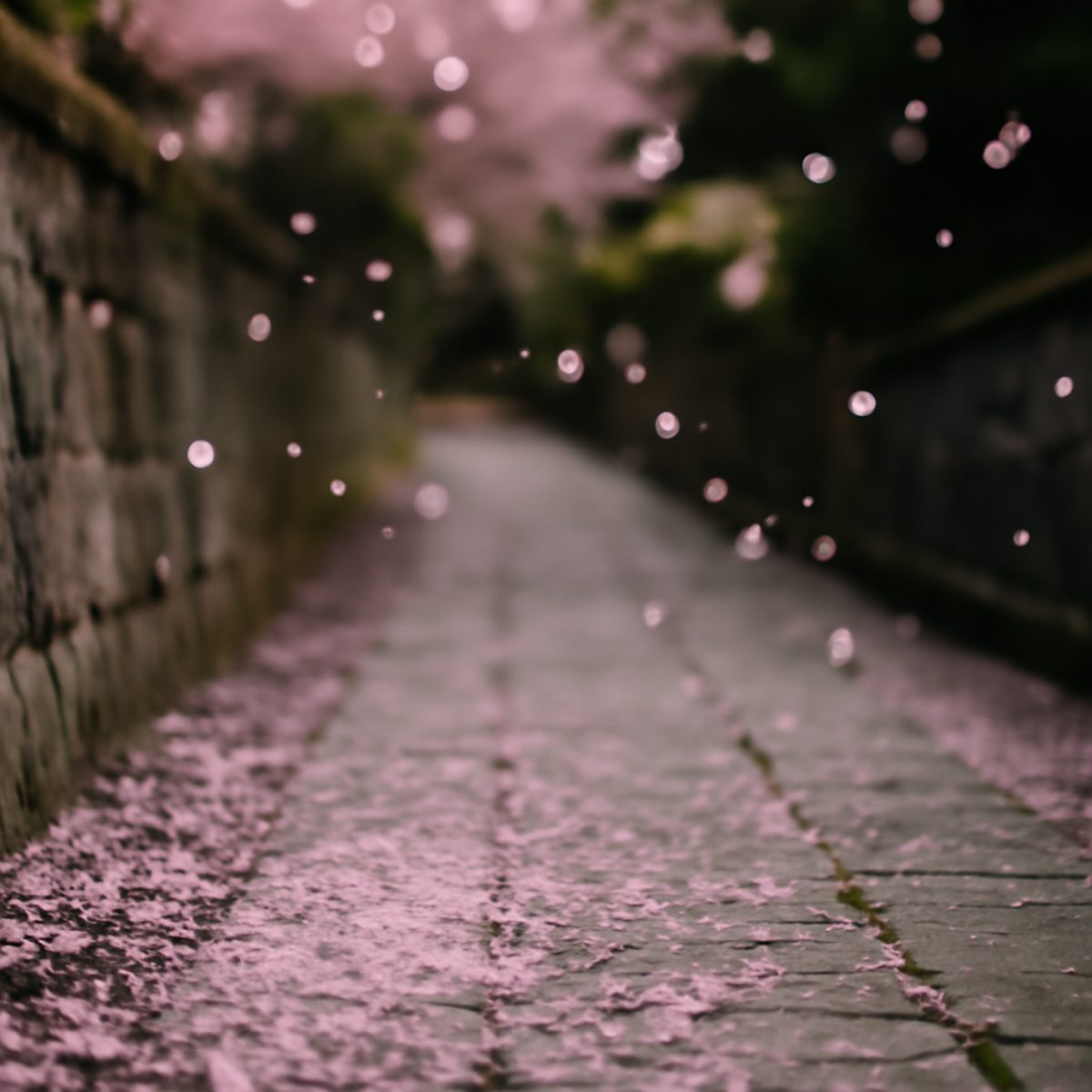
There is a particular disappointment familiar to anyone who has stood beneath the famous blossom avenues in early April, phone raised, elbow to elbow with several hundred other people doing exactly the same thing. The trees are, without question, extraordinary. The experience of seeing them that way, however, has almost nothing to do with the quiet, fleeting appreciation that hanami was originally built around — a few weeks each spring set aside to notice something beautiful before it disappears. That noticing is still available. It simply requires going somewhere the crowds have not yet worked out how to reach.
Timing matters more than location
The single biggest lever for a quieter hanami is not where you go but when. Japan’s blossom front moves north and upward in altitude over roughly six weeks, meaning a traveller willing to chase it rather than book a fixed date can see peak bloom in a dozen different places across the season. Arriving a week before the widely forecast peak in a famous location, or a week after in a slightly higher-altitude town nearby, often delivers nearly identical trees with a fraction of the company.
Mountain towns over capital avenues
The hill towns strung along Japan’s central spine — old post towns built for travellers moving between Kyoto and Edo — tend to bloom slightly later than the cities below, and their smaller scale means even a modest crowd feels substantial, which paradoxically makes a genuinely quiet morning easier to find. Wooden inns with river-facing rooms, many family-run for generations, offer blossom views from the breakfast table that no coach tour could ever queue for. It is worth building a few unhurried days here into any spring itinerary through the region, alongside the wider ideas in our guide to Japan beyond Tokyo and Kyoto.
Riversides and canal towns, at dawn
Even within famous cities, timing the day rather than avoiding the place entirely can work. Arriving at a well-known blossom-lined canal at first light, an hour or two before the crowds assemble, restores something of the original quiet — mist still on the water, petals just beginning to drift, almost nobody else awake to see it. This is where a considered itinerary earns its keep: an early alarm and a short walk from a well-placed hotel, rather than a taxi fighting through afternoon traffic. Our broader notes on navigating Kyoto thoughtfully cover how to structure a day around exactly this kind of timing.
The onsen town alternative
Pairing blossom season with a soak has a long precedent in Japan, and the country’s hot spring towns — many built into forested valleys where blossom trees have grown wild for centuries — offer a version of hanami that comes with its own built-in slowness. Nobody rushes a hot spring town in blossom season; the whole point of being there is to sit still. It is a natural extension for travellers who have already enjoyed a proper onsen ryokan elsewhere in the country and want a spring-specific version of the same unhurried pace.
A short list of quieter blossom strategies
- Chase altitude, not fame — a smaller town at 600 metres blooms roughly a week after the valley floor.
- Walk rather than drive between viewing spots; cars concentrate crowds at the few points with parking.
- Ask a local inn for their own quiet spot — most keep one they do not volunteer unprompted.
- Visit on a weekday, and avoid the first weekend after a peak-bloom forecast is announced nationally.
Beyond Japan, quietly
Japan holds the cultural weight of hanami, but it is not the only place in the region where blossom season is worth building a trip around, and the lesser-known versions come with a built-in advantage: almost nobody else is looking for them. Parts of the Korean peninsula bloom slightly earlier than the Japanese mainland, with mountain temple grounds that pair blossom viewing with a stillness few Japanese sites can match in peak season. Higher-altitude pockets of Taiwan and the hill country of northern Vietnam see a shorter, scrappier bloom of their own varietals — less uniform than the famous cultivated avenues, but arguably more moving for how unplanned it feels. None of these require the elaborate seasonal chase that Japan demands; a traveller with a loose week and no fixed itinerary tends to do better than one working from a rigid, famous-name checklist.
What unites all of these quieter options is a simple discipline: choosing distance from the obvious rather than distance from Japan itself. A twenty-minute train beyond the last stop most tour groups bother with often does more for the experience than an entirely different country. The trees do not know they are famous; only the crowds do.
“We stopped telling guests the famous names years ago,” one innkeeper in the central mountains told us. “There is a tree on the hill behind the inn that blooms two days after the one everyone travels for, and it is ours alone most mornings.” It is a small, generous kind of local knowledge, and it exists in dozens of towns across the country for travellers willing to ask rather than simply follow the forecast map.
Building the rest of the trip around it
Blossom season is a narrow window, and it rewards an itinerary built specifically for it rather than bolted onto a standard city break. Base yourself somewhere with easy access to two or three different altitudes, keep the schedule loose enough to move a day earlier or later as the bloom shifts, and resist the urge to force in every famous name from the guidebook. Pack for the swing in temperature too — a bright, mild afternoon in bloom country can turn sharply cold once the sun drops behind a ridge, and a considered traveller dressed for an evening walk gets far more out of the trip than one rushing back to a hotel to warm up. The quieter version of hanami is, in the end, closer to what the tradition was always meant to be: a short, deliberate pause to notice something that will not last the week, taken somewhere quiet enough that the noticing is still possible. For travellers weighing this against other spring options, our wider Travel & Stays coverage and notes on travelling well in shoulder season are worth reading alongside this guide.
Marcus writes on travel and hospitality across Asia, and is happiest a long way from a lobby.