The Case for the Bedford Cord Trouser
Ribbed, rugged and quietly handsome: the case for the Bedford cord trouser, a hard-wearing weave that bridges country ease and real city polish.
 By Daniel Koh
1 September 2026 · 6 min read
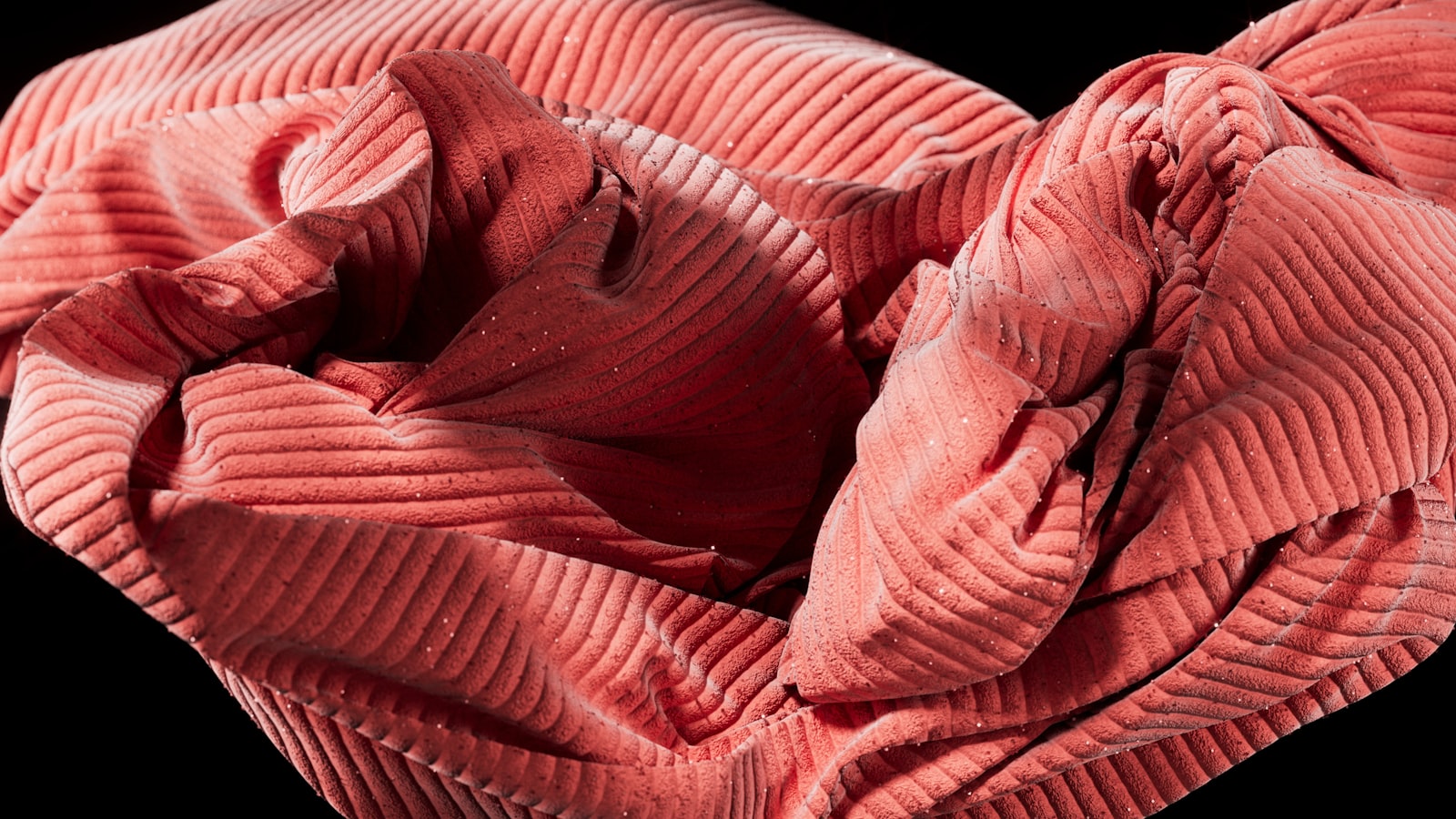
There is a certain kind of trouser that rewards the person who looks twice. From across a room it reads as a plain, sturdy cloth. Up close it reveals fine vertical ridges running the length of the leg, a subtle corrugation that catches light and gives the fabric a quiet depth. This is Bedford cord, one of the great workhorse weaves, and it deserves a place in the wardrobe of anyone who values cloth that has both character and stamina. It is not flashy. It is not trend-driven. It is simply very good at being a trouser, and it becomes more likeable the longer you own it.
What Bedford cord actually is
The name points to origins in hard-wearing cloth made for people who worked outdoors and on horseback, and the weave was prized because it stood up to friction. Structurally, Bedford cord is built with raised cords running warp-wise, formed by the way the threads are floated and packed together, so the ridges are woven in rather than brushed on. This is the crucial difference from corduroy, which gets its ribs from cut pile. Corduroy’s ridges are soft and velvety and will, in time, wear flat at the knee and seat. Bedford cord’s ridges are solid cloth, so they resist that flattening and hold their texture through years of use.
The result is a trouser with visible structure and real toughness. The cloth has body; it holds a crease reasonably well for something so rugged, and it drapes with a pleasing weight rather than clinging. In a heavier weight it is a proper cold-weather trouser, though in Singapore a lighter Bedford cord in cotton makes surprising sense for an air-conditioned office, giving texture and substance without the warmth of heavy wool. If you have a feel for hard-wearing weaves already, it sits comfortably beside the whipcord trouser in the same family of cloths built to last.
How to wear it
The pleasure of Bedford cord is its range. It leans country, so it is entirely at home with a tweed jacket, a chunky roll-neck and a pair of brogues, reading as the trouser of someone who spends weekends somewhere green. But its clean ribbed surface also lets it move towards town. In a stone or tobacco shade, cut with a moderate taper, it pairs handsomely with a navy blazer and suede loafers for something that is smart without being stiff.
Colour does a lot of the work. The classic earth tones, fawn, olive, tobacco and a deep moss, all flatter the weave, letting the ridges show without shouting. A grey Bedford cord is a quieter, more urban proposition that slots neatly into a working wardrobe. Whatever the shade, the cloth wants a bit of structure in the cut; it is too handsome a fabric to hide in something shapeless. Consider it alongside the cavalry twill trouser and the corduroy trouser when you are building a rotation of textured trousers for the cooler half of the year and for the over-cooled offices of the tropics.
Bedford cord is the trouser equivalent of a good handshake: firm, honest, unshowy, and instantly telling you something reassuring about the person wearing it.
Building a small rotation around it
A single pair of Bedford cords is a pleasure; two or three, in considered colours, quietly become the backbone of a cool-weather or over-cooled-office wardrobe. Start with a versatile mid-tone, a tobacco or a fawn, which will carry you through most of what you do and pair with almost any jacket and knit you own. Add a grey next, which pulls the cloth towards town and sits happily under a navy blazer, and only then reach for something more characterful, a deep olive or a rich moss, for the days you want a little more presence. Because the weave is so hard-wearing, these trousers reward being worn hard and often rather than saved, and they age handsomely, the ridges softening and the colour deepening with time and use. Look after them simply: brush off dust, hang them properly between wears, and press them only when they truly need it, because over-pressing can flatten the very texture that makes the cloth worth owning. Treated this way, a good pair of Bedford cords becomes one of those quiet wardrobe staples you reach for without thinking and keep for the better part of a decade.
The details that matter
Because Bedford cord has presence, the making should be simple and correct rather than fussy. A flat front suits its clean lines, though a single pleat works well in a fuller cut and gives room to move. The hem is a matter of taste, but a modest turn-up flatters the trouser’s country roots and adds a touch of weight that helps the leg hang. Pay attention to the rise: a Bedford cord worn a fraction higher than the current low default sits better with a jacket and lets the trouser do its job of anchoring an outfit.
Lining is worth a thought too. A half-lining to the knee keeps a heavier Bedford cord comfortable against the leg and helps it hang cleanly, while an unlined cotton version stays cool and casual. As with any good trouser, the fit through the seat and thigh is where a tailor earns their keep; the cloth is forgiving of everyday movement but unforgiving of a poor line. Get it cut with a touch of room and it will move with you for years.
Why it endures
Bedford cord endures because it solves a real problem elegantly. It gives you texture and interest without the fragility of finer cloths, ruggedness without looking like workwear, and a surface that ages into character rather than shabbiness. It is the sort of trouser you buy once, wear hard, and find yourself reaching for on the days you want to look put-together without any effort. That combination, quiet good looks married to genuine durability, is exactly what the considered wardrobe is built on. Read it alongside the grey flannel trouser for a softer, dressier counterpoint, and browse the wider world of style and watches for the pieces that complete the picture. Bedford cord will not be the loudest thing you own. It may well be the most reliable.
Daniel has spent fifteen years arguing that the best watch is the one you never take off.