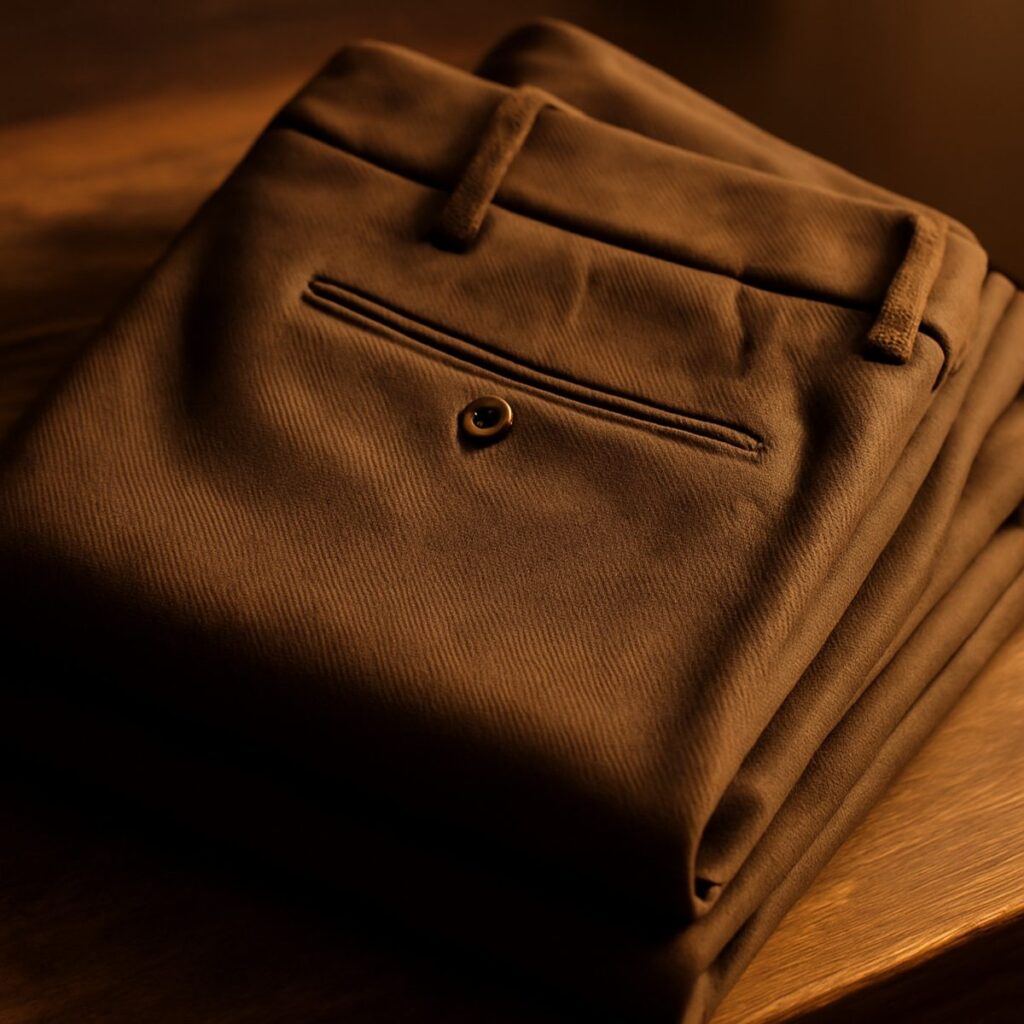
The Quiet Luxury of the Baby Camel Coat
No logo, no shine, just an impossibly soft cloth in a colour that flatters everything. The baby camel coat is understatement raised to an art. Here is its case.
 By Daniel Koh
1 September 2026 · 5 min read
By Daniel Koh
1 September 2026 · 5 min read
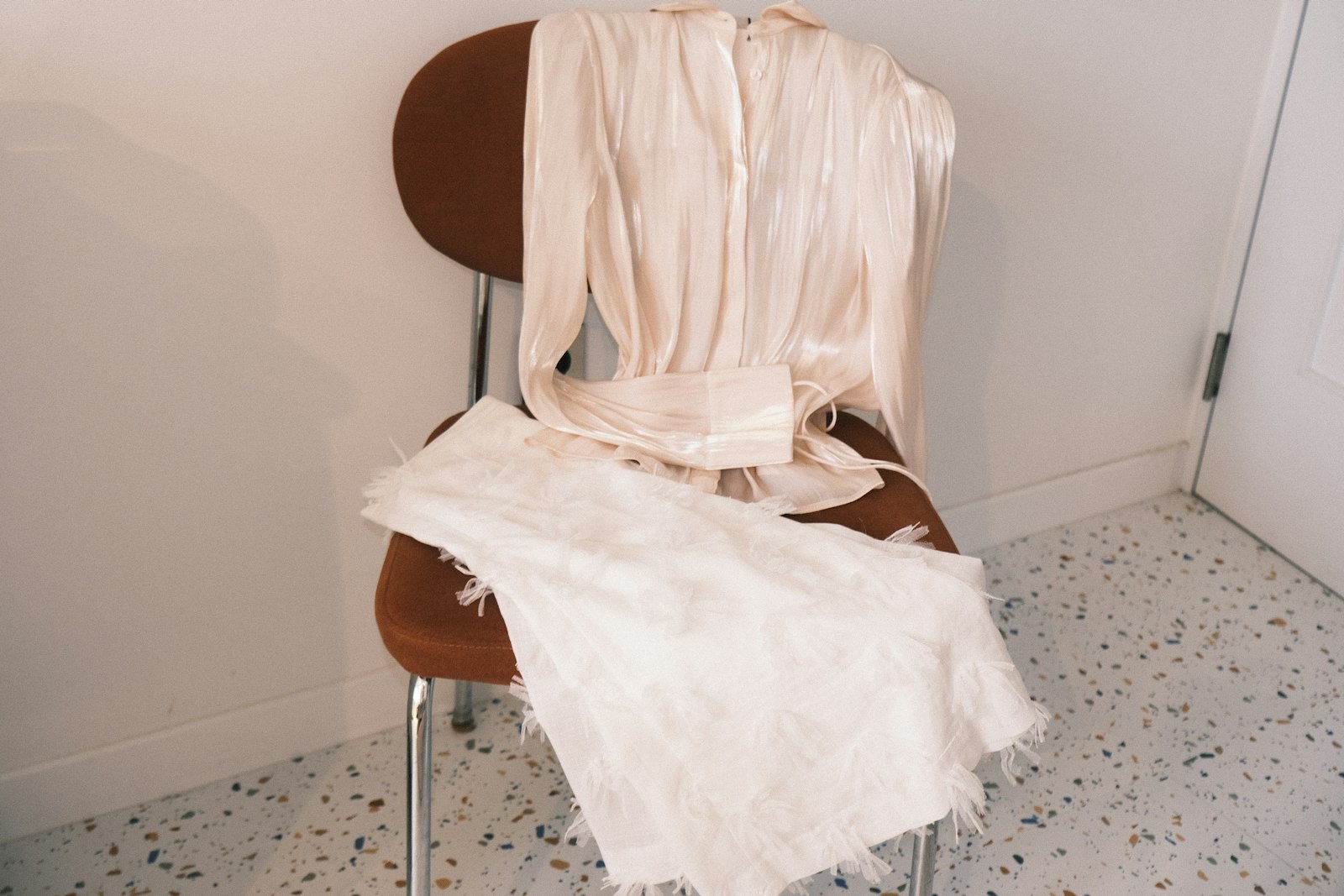
Some luxuries announce themselves and some simply wait to be noticed. The baby camel coat belongs firmly to the second kind. From across a room it reads as a plain, warm-toned overcoat, unremarkable to anyone not paying attention. Up close, and especially to the touch, it reveals itself as something rarer: a cloth so soft and so quietly beautiful that it needs no other argument. This is quiet luxury in its most literal form, warmth you can feel and almost no one else can see.
The distinction begins with the fibre. Ordinary camel hair is already a fine cloth, but baby camel, taken from the first, softest coat of the young animal, is finer still, lighter, warmer and with a downy hand that ages beautifully. It is the difference between good and exceptional, and it is exactly the sort of difference the discerning dresser learns to prize.
What makes baby camel special
The magic of baby camel is in the hand. Where standard camel hair can feel substantial and slightly coarse, baby camel is gossamer-light against the skin, insulating out of all proportion to its weight. A coat made from it drapes rather than hangs, moving with the body and settling into soft, forgiving lines. It is warm enough for a genuine winter yet light enough to wear without feeling armoured.
Then there is the colour, that unmistakable warm tan that gives the fibre its name. Undyed baby camel carries subtle variations of tone that no dye vat can replicate, a living, honeyed colour that flatters nearly every complexion and pairs with almost everything. Against grey flannel, navy tailoring or simple denim, it reads as effortless. It is the rare neutral that also warms the face.
Where it sits in the family
The baby camel coat has distinguished relatives. Anyone who has considered the quiet luxury of the camel hair coat already understands the appeal; baby camel is simply the finer, more precious expression of the same idea, worth the premium to those who notice such things. It sits in the same conversation as the exotic-fibre overcoats, and the person drawn to the quiet luxury of the guanaco overcoat will recognise the shared logic: rare fibre, undyed tone, absolute discretion.
Its natural silhouette matters too. Baby camel suits soft, generous cuts rather than sharp ones, which is why it looks so well as a relaxed wrap coat or, in its most elegant form, as the Chesterfield in camel hair. The cloth wants to drape, and the best patterns let it.
True luxury rarely raises its voice. The baby camel coat says nothing at all, and is understood perfectly by everyone worth impressing.
Buying and wearing it well
A coat this fine deserves a careful purchase. Because the fibre is delicate, construction matters enormously, and a well-made baby camel coat should feel substantial in the seams even as the cloth feels weightless. A few points repay attention:
- Favour a simple, timeless cut, since the cloth is the whole story and fussy detailing distracts from it.
- Check the lining and canvas; a fine outer cloth on a cheap frame will collapse within a season.
- Choose a length that suits your height, with a mid-thigh or knee line reading most elegant.
- Resist the urge to add a bold lining or contrast buttons; discretion is the point.
Wearing it is gloriously simple. Baby camel does most of the work, so the surrounding wardrobe can stay quiet: a roll-neck, a grey suit, a pair of clean leather shoes. In Singapore it is admittedly an occasional garment, reserved for cold-climate travel and over-air-conditioned evenings, but for the frequent traveller it earns its keep the moment the temperature drops. There is a real pleasure, on a cold morning far from home, in reaching for a coat this soft and this quietly assured, and knowing that no one around you can quite tell how good it is.
The economics of rarity
Part of what makes baby camel special is simply how little of it exists. The soft first coat can only be gathered from young animals, and only in modest quantity, which places it among the genuinely scarce natural fibres rather than the merely expensive ones. That scarcity is the honest justification for its price, and it explains why a baby camel coat costs what it does without a logo or a marketing story to prop it up. You are paying for the material itself, not for the name stitched inside, which is precisely the kind of value the discerning buyer learns to seek out.
It also means that a baby camel coat is, in a quiet way, an heirloom proposition rather than a seasonal one. A coat this costly and this fine makes little sense as a passing purchase; it earns its keep only over many years of careful wear. That long horizon changes how you should buy it, favouring timeless cut and impeccable construction over anything fashionable, so that the coat you choose today still reads as correct a decade hence. Bought in that spirit, the price per wear falls steadily until the coat becomes, improbably, one of the most sensible things in the wardrobe.
The long-term view
Care is the price of such softness. A baby camel coat should be brushed gently, hung on a broad shaped hanger, aired rather than over-cleaned, and rested between wears so the fibres recover. Treated well, it will soften further and grow more beautiful over the years, developing the lived-in grace that only natural fibres achieve.
That is the deepest argument for it. A baby camel coat is not a purchase you repeat every few seasons; it is a companion for a decade or more, quietly improving as it goes. It flatters without effort, warms without weight and impresses without a single visible signal. In a wardrobe of loud things, it is the whisper everyone remembers. For more on outerwear that rewards the patient buyer, the Style & Watches section is where these coats are considered at length.
Daniel has spent fifteen years arguing that the best watch is the one you never take off.