The Balcony, Reimagined for the Tropics
How Singapore homeowners are rethinking the balcony for the tropics, turning a ledge once used for laundry into a proper outdoor room worth using.
 By Priya Nair
29 August 2026 · 6 min read
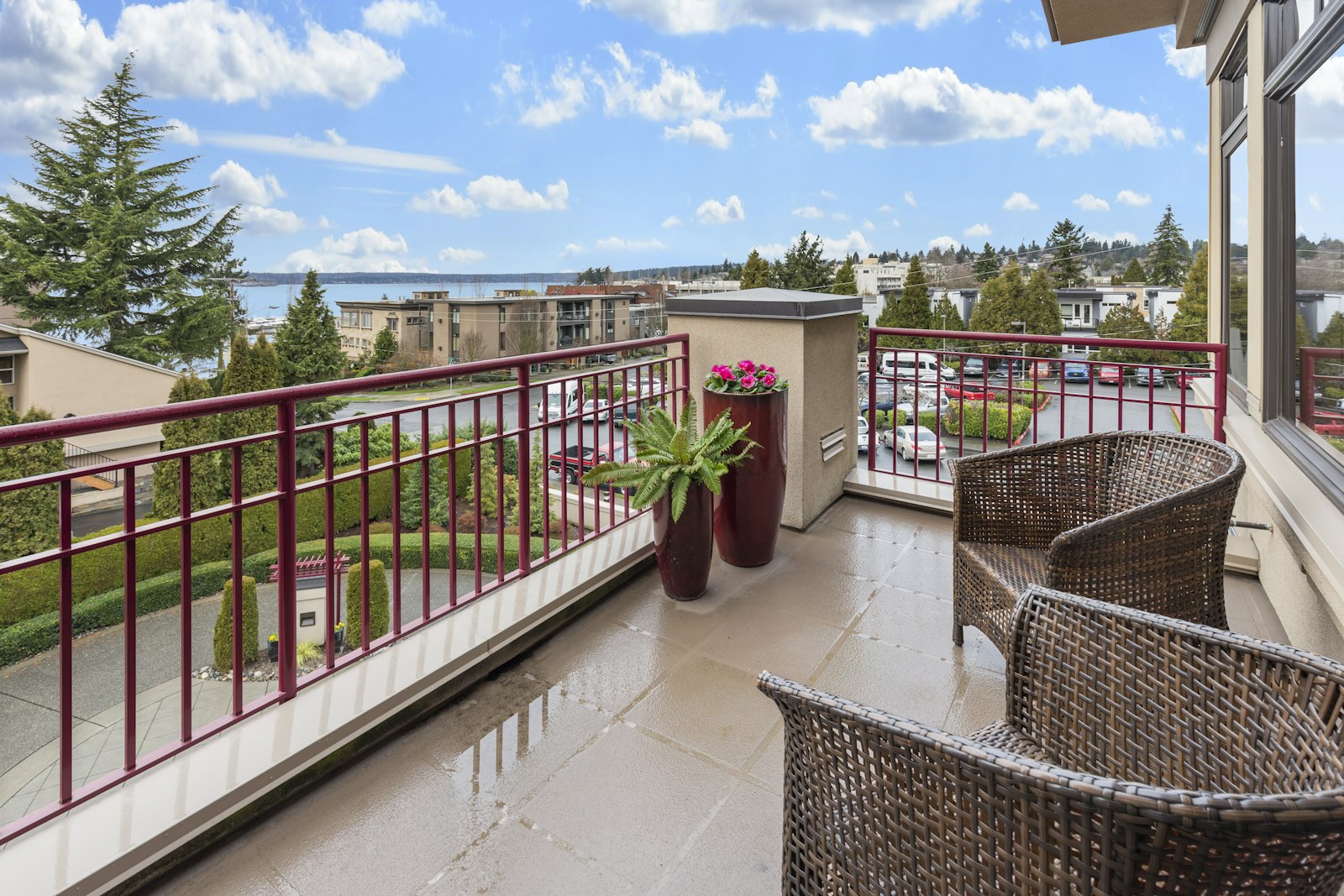
For most of Singapore’s high-rise history, the balcony has been treated as an architectural afterthought — a narrow ledge just wide enough for a washing rack and an air-conditioning compressor, rarely furnished, rarely used, and often the first thing enclosed or ignored entirely once the initial excitement of a new apartment wore off. That is changing, and quickly. A growing number of homeowners are reclaiming the balcony as a genuine outdoor room, treating a space once dismissed as unusable in the tropical heat as one of the most valuable square metres in the entire home.
Why the Balcony Was Neglected for So Long
The honest reason most balconies went unused was practical rather than aesthetic: direct tropical sun for a significant part of the day makes an unshaded balcony genuinely uncomfortable, and sudden downpours make unprotected furniture a poor investment. Rather than solving those two problems, most households simply gave up on the space, using it for storage or laundry and mentally excluding it from the “real” living area of the home. The considered approach treats those same two problems — heat and rain — as design constraints to solve, not reasons to abandon the space entirely.
Shade Is the First Decision, Not an Afterthought
A retractable awning, a fixed timber louvre pergola, or simply well-positioned tall planting can transform a balcony from unusable at midday to genuinely comfortable for most of the day. The specific solution matters less than treating shade as a foundational design decision made before furniture is chosen, rather than solved reactively with a large umbrella purchased after the fact. Orientation matters enormously here — a west-facing balcony catching the full force of the afternoon sun needs considerably more shading strategy than one facing east, which is pleasant well into the late morning without any intervention at all. The same principle of designing for climate rather than against it shapes the whole house, as our piece on the Singapore landed house, reimagined explores.
Planting That Actually Thrives Outdoors
A tropical balcony is one of the few places in a Singapore home where genuinely lush, outdoor planting can thrive without the compromises required of indoor greenery. Tropical gardens for the modern home apply directly here at a smaller scale — layered planting using a mix of heights, from low ground-cover in planters to taller architectural species like bird of paradise or a considered palm, creates genuine privacy and softness without requiring a large footprint. This is where the broader instinct behind biophilic design finds its most natural expression: rather than importing a hint of nature indoors, the balcony offers real outdoor planting, at real scale, that a purely indoor space never can.
Furniture Built for the Weather, Not Despite It
Indoor furniture dragged onto a balcony rarely survives Singapore’s combination of humidity, direct sun, and sudden rain for long, and it is worth resisting the temptation to simply extend the living room outward with the same pieces. Rattan and teak remain the most reliable materials for genuinely outdoor use, both ageing gracefully rather than deteriorating, provided they are chosen specifically as outdoor-rated pieces rather than indoor furniture that merely looks similar. Cushions and soft furnishings need fabric specifically rated for outdoor use and UV exposure, and are worth storing indoors overnight or during extended rain rather than left permanently exposed.
- Choose furniture with some weight or a means of securing it, given Singapore’s occasional strong gusts at height.
- Favour materials that dry quickly after rain — a balcony floor rarely stays completely dry, and furniture legs should not sit permanently in standing water.
- Keep the footprint editable — a balcony works best furnished for its everyday use, with room to clear it entirely when needed.
Lighting for Evening Use
A balcony genuinely comes into its own in the evening, once the direct heat of the day has passed, and lighting deserves the same consideration given to any other room used after dark. Low, warm lighting — string lights, a few well-placed lanterns, or discreet integrated fixtures — creates an atmosphere considerably more inviting than the single bright utility light most balconies are fitted with by default, and it is one of the cheapest upgrades capable of genuinely transforming how often the space actually gets used.
A balcony treated as a real room, rather than a leftover ledge, quietly becomes one of the most used spaces in the entire home.
Making It Work in a Compact Footprint
Even a genuinely narrow balcony, common in many Singapore apartments and in HDB flats specifically, can be furnished successfully with the right restraint. A single well-chosen chair, a small folding table, and a cluster of planting in varied heights can transform even a metre-wide ledge into a place worth sitting for a morning coffee. The scale of the intervention should match the scale of the space — an overcrowded small balcony defeats its own purpose just as thoroughly as an unused one.
Privacy Without Losing the Light
High-rise living raises a genuine privacy question that ground-floor gardens rarely face — a balcony overlooked by neighbouring blocks can feel too exposed to relax in fully, however well it is otherwise furnished. Solving this without simply enclosing the space in glass, which tends to trap heat and defeat the point of an outdoor room, usually comes down to careful screening. A slatted timber or bamboo screen along the most exposed edge, angled to block direct sightlines while still allowing air and diffused light through, offers privacy without the airless, greenhouse feeling of a fully glazed enclosure.
Tall planting does double duty here as well, providing a living privacy screen that also contributes to the overall softness and greenery of the space discussed above. A row of clumping bamboo, or a line of tall potted palms spaced along the balcony’s edge, can meaningfully reduce a sense of being overlooked within a single growing season, all while continuing to earn its place as a genuine garden rather than a purely functional screen.
A Room the Tropics Actually Suit
Properly reimagined, a Singapore balcony offers something few temperate-climate homes can match: genuine, comfortable outdoor living accessible every single day of the year, without the seasonal limitations that confine most outdoor rooms elsewhere in the world. Getting there requires solving for heat and rain first, rather than treating them as reasons to give up — but the reward, a proper outdoor room a household actually uses, is considerable, and consistently underrated by homeowners who have not yet made the attempt. Explore more of this thinking across Homes & Culture, where the tropics are treated as an asset rather than an obstacle throughout.
Priya tours the homes most people only glimpse from the road, and asks how they are really lived in.