The Bib Gourmand Gems Worth the Detour
No tasting menu, no white tablecloth, just skilled, honest cooking recognised for what it is. The Bib Gourmand list rewards a different kind of attention.
 By Renée Tan
29 August 2026 · 6 min read
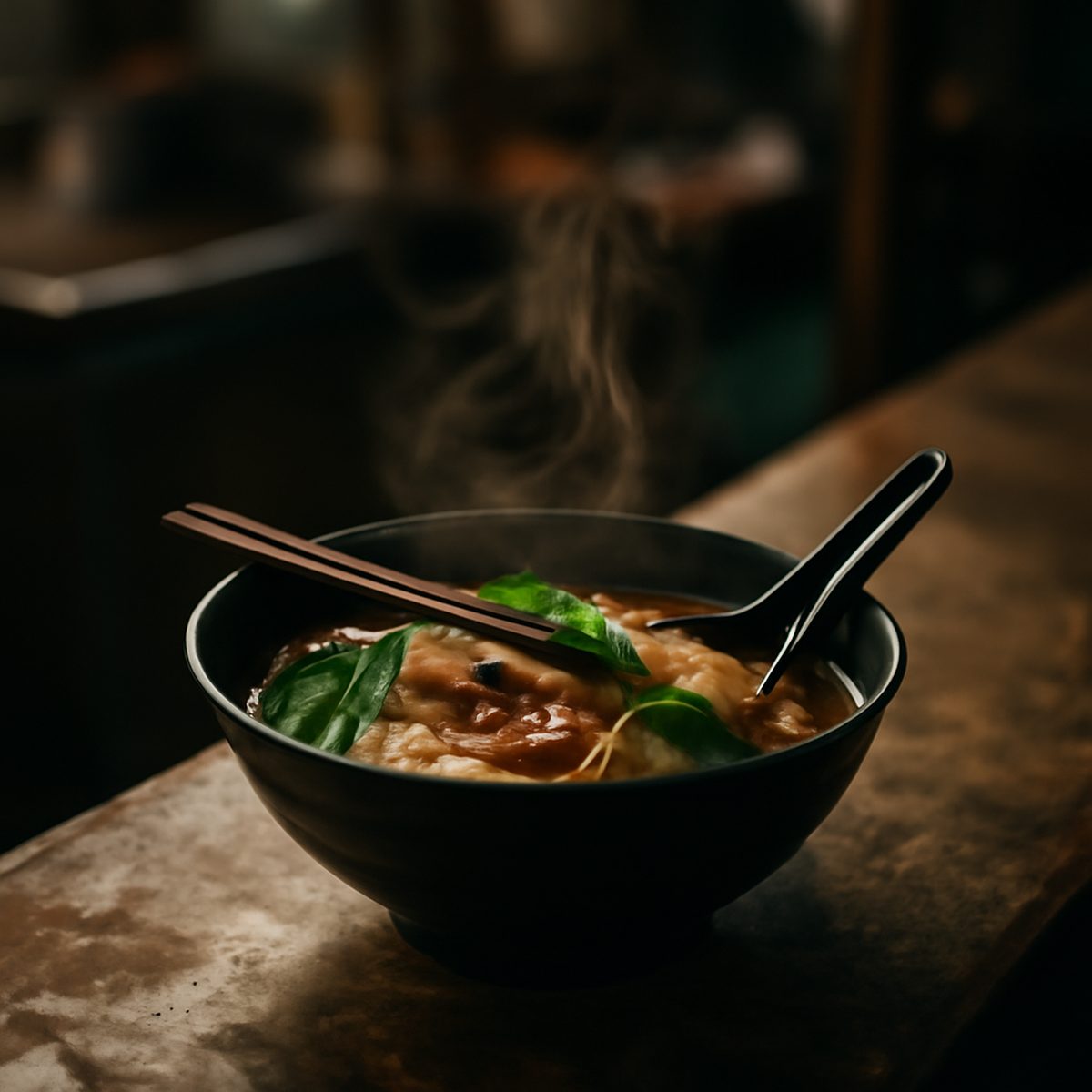
The star system tends to get the attention, and understandably so — a Michelin star is a rare and legible signal, easy to chase and easy to boast about. But there is a quieter list running alongside it that, for our money, says more about a city’s actual food culture: the Bib Gourmand, Michelin’s designation for places serving genuinely excellent food at a fraction of the price of a starred room. In Singapore, where hawker centres and unassuming kopitiams sit a few streets from some of the world’s most expensive tasting menus, the Bib Gourmand list has become something like a map of the city’s real culinary conscience — cooking judged on skill and value, not ceremony.
What the Bib Gourmand actually rewards
The criteria are deliberately different from a star. Where a starred kitchen is judged on the full experience — service, setting, consistency, ambition — a Bib Gourmand nod is essentially a judgement on the plate alone: is this food, at this price, better than it has any right to be? In Singapore this has produced a list heavy with hawker stalls and modest shopfront restaurants, places where the entire operation might be run by two or three people, where the seating is plastic and the menu has not changed in a decade because it has never needed to. It is a very different kind of excellence from the one celebrated in our piece on a two-star kitchen operating out of one very small room, but it is excellence all the same, and arguably harder to sustain — margins at this price point leave almost no room for error.
The dishes that tend to dominate the list
Certain dishes turn up again and again on Singapore’s Bib Gourmand roster, largely because they reward exactly the kind of decades-long repetition that produces mastery.
- Char kway teow, where the difference between good and exceptional often comes down to wok heat alone.
- Chicken rice, deceptively simple, judged on the poaching liquid as much as the bird itself.
- Bak kut teh, where a broth built over hours separates the serious stalls from the rest.
- Braised duck rice, a category where sauce consistency and seasoning discipline matter more than presentation ever could.
These are dishes that punish shortcuts and reward the kind of stubborn, unglamorous consistency you find in the stalls covered in our guide to the hawker stalls worth queuing for — several of which appear on both lists, a genuine crossover between two very different frameworks of recognition.
Why value, not price, is the real signal
It is worth being precise about what ‘affordable’ means here, because it is not really the point. A Bib Gourmand designation is not a consolation prize for restaurants that could not reach starred status; it is a distinct category judging a distinct kind of achievement. The chefs and hawkers on this list are not typically trying to build a fine-dining career — many have spent their entire working lives at a single stall, refining a handful of dishes rather than expanding a menu, and the recognition, when it comes, changes very little about how they operate. That stability is part of the appeal. You can return to a Bib Gourmand stall five years after your first visit and expect, reasonably, that it will taste exactly the same — a kind of consistency that is genuinely rare, even among expensive restaurants.
“I don’t cook differently because of the guide,” one hawker stall owner on the list for several consecutive years told us. “I cook the way my father taught me. The list just noticed.”
How to actually use the list
The Bib Gourmand list rewards a slightly different approach to dining than a tasting-menu evening does. These are, for the most part, not places to linger — turnover is fast, seating is limited, and the kitchens are built for volume rather than pacing a leisurely meal. The better strategy is to treat a Bib Gourmand outing as a specific, focused mission: pick one or two stalls, go at an off-peak hour if queues concern you, and order narrowly rather than broadly, since most of these places do one or two things brilliantly rather than everything competently. It is a different rhythm from the one described in our piece on the long lunch, but no less worth building a day around.
A different kind of luxury
There is something quietly luxurious about food this dialled-in, cooked by people who have spent thirty or forty years perfecting a single dish rather than chasing trends across a changing menu. It is a different register from the rest of Singapore’s dining and drinks scene, but an essential one, and arguably closer to the city’s actual culinary identity than any tasting menu could be. The Bib Gourmand list is, in the end, a reminder that the most interesting eating in a city this well-fed is not always the most expensive — and that the detour, plastic chairs and all, is very often worth taking.
A list that rewards repeat visits
Unlike a starred restaurant, where an occasion might justify a single splurge, the Bib Gourmand list rewards genuine regulars. Many of the stall owners on it recognise faces that return month after month, and the food itself, built on decades of repetition, tends to improve subtly with familiarity rather than novelty. Building a rotation of two or three favourites from the list, rather than treating it as a one-time checklist to exhaust, is arguably the more rewarding way to use it, and it mirrors how most Singaporeans already eat: not chasing the newest opening, but returning to the stall that has quietly earned their loyalty over years. For diners who want the starred experience without the evening price, our guide to Michelin lunch deals in Singapore offers a different route to the list.
It is worth remembering, too, that recognition on this list changes very little about how these stalls actually operate day to day. Prices tend to stay modest, queues tend to grow only slightly, and the owners themselves are often more focused on the next service than on the accolade. That quiet indifference to fame is, in its own way, part of what makes the cooking worth trusting in the first place.
Go hungry, go with cash on hand, and do not expect a wine list. What you get instead is decades of practice on a single plate, and very little standing between you and it.
Renée has covered Singapore's restaurants for over a decade, with a soft spot for the kitchens most people walk past.