The Best Summer Escapes in the Highlands
When the lowlands turn unbearable, the region's highland towns offer mist, tea terraces, and genuinely cool air — here is where considered travellers go.
 By Marcus Lim
30 August 2026 · 6 min read
By Marcus Lim
30 August 2026 · 6 min read
By the time the lowland heat reaches its peak, a certain kind of traveller starts eyeing the altitude charts. Asia’s highland towns — many established a century ago by colonial administrators fleeing the same discomfort — remain some of the most underused escapes on the continent, offering genuinely cool air within a few hours of cities that rarely dip below thirty degrees.
Why the Highlands Work
The appeal is simple physics: for every thousand metres of elevation gained, temperatures drop by roughly six degrees. A highland town sitting at 1,500 metres can be a full ten degrees cooler than the coastal city it serves, which turns a miserable lowland summer into something closer to a temperate spring. This is why so many of these towns began as hill stations — deliberate retreats built by people with the means to leave the heat behind, and a legacy of gracious, unhurried architecture to show for it.
That legacy is part of the draw today. Old bungalows with deep verandahs, colonial-era clubs repurposed as guesthouses, and gardens planted for a climate that actually supports roses and hydrangeas rather than frangipani — the highlands offer a genuinely different sensory register from the beach-and-pool holiday most of Southeast Asia defaults to.
Tea Country and Its Rhythms
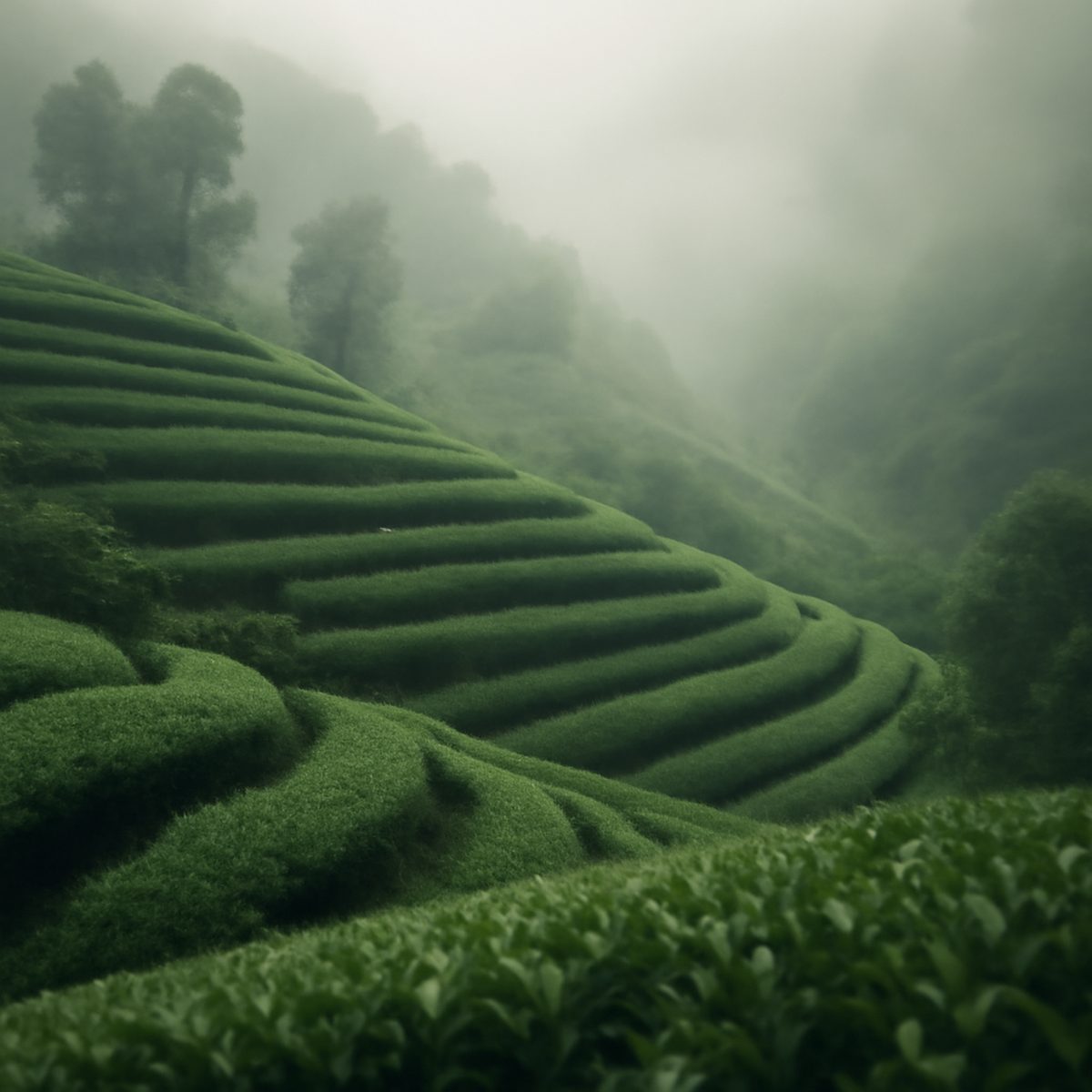
Many of the finest highland escapes sit amid working tea estates, their hillsides cut into the neat terraced rows that have become almost shorthand for this style of travel. Mornings here move to the estate’s own rhythm — pickers moving through the rows before the mist burns off, the smell of fresh leaf drying somewhere nearby. For travellers drawn specifically to this register, the best highland and tea-estate retreats offers a deeper look at where to actually stay amid the terraces, rather than simply pass through.
The tea itself is worth understanding a little before arriving. Elevation, soil, and the specific cultivar planted all shape flavour in ways that mirror wine far more closely than most visitors expect, and a good estate tour — led by someone who actually manages the pickers rather than a hotel concierge reciting a script — can turn an afternoon walk into something genuinely educational. The best highland estates now offer tastings that walk guests through the difference between a first flush and a monsoon harvest, a distinction most visitors have never had explained to them properly.
What to Do Beyond the View
The mistake many visitors make is treating a highland trip purely as a scenic backdrop, checking into a hotel with a good view and doing little else. The better approach engages with the working landscape directly: a guided walk through tea rows with an estate manager, a visit to a small-scale coffee roaster, or simply long walks along ridgelines that were originally cut as bridle paths for colonial-era horse traffic and remain some of the best hiking in the region. Golf, oddly enough, has a long history in these towns too — several highland courses date to the same colonial period as the hill stations themselves, laid out along contours that modern course architects would rarely attempt, and playing a round in cool morning air is its own small pleasure.
Food deserves equal attention. Highland kitchens tend to draw on a genuinely different larder than the coast — temperate vegetables, freshwater fish, dairy that simply cannot be produced reliably in the lowland heat — and the better restaurants in these towns lean into that difference rather than importing a standard resort menu. A meal built around what actually grows at altitude tells you more about a highland town than any viewpoint does.
- Book accommodation with a working fireplace or heater — highland nights can drop surprisingly cold even in the tropics.
- Visit local markets early; highland produce (strawberries, temperate vegetables, fresh dairy) is a genuine point of difference from lowland fare.
- Allow at least three nights — the altitude adjustment and the slower pace both reward a longer stay.
Pairing With a Wider Regional Trip
A highland escape rarely needs to stand alone. Travellers building a longer regional itinerary often pair a cool-climate leg with a coastal or island stretch for contrast — heat and altitude, salt air and pine. Those looking specifically for cooler-weather activity beyond the highlands themselves might also consider the best places for winter snow sports as the more extreme end of the same instinct: the pursuit of cold, clean air as a genuine holiday objective rather than an inconvenience to be endured.
Garden-minded travellers will find plenty of crossover with the best garden and estate hotels, many of which occupy exactly this kind of highland terrain, their grounds shaped by decades of cooler-climate gardening rather than tropical landscaping.
Getting There and Getting Around
Most highland towns remain deliberately awkward to reach, and this is arguably part of their appeal. Roads wind for hours through switchbacks that were never built for speed, which tends to filter out the day-tripper crowd that overwhelms more accessible destinations. Hiring a driver rather than self-driving is the wiser choice for most visitors — local drivers know which stretches of road turn treacherous in afternoon rain, and where to stop for the roadside stalls selling whatever fruit happens to be in season. Once in town, walking is almost always the better way to move; distances are short, the air is cool enough to make the exertion pleasant rather than punishing, and the views from any given ridge rarely repeat themselves.
The Case for Going Slowly
The highlands do not reward a rushed itinerary. The towns are generally small, the roads winding and slow by design, and the best experiences — a long lunch on a verandah, an afternoon spent simply reading in cooler air — are the ones with no fixed endpoint. This is, in its own way, the entire appeal: a genuine change of pace as much as a change of climate. Visitors who arrive with a full checklist of sights tend to leave frustrated; those who arrive with nothing more than a loose plan and a good book tend to leave already planning their return.
For more on where the region’s cooler, slower corners are drawing considered travellers this season, the broader Travel & Stays archive is worth a browse — proof that not every good escape from the heat requires a beach.
Marcus writes on travel and hospitality across Asia, and is happiest a long way from a lobby.