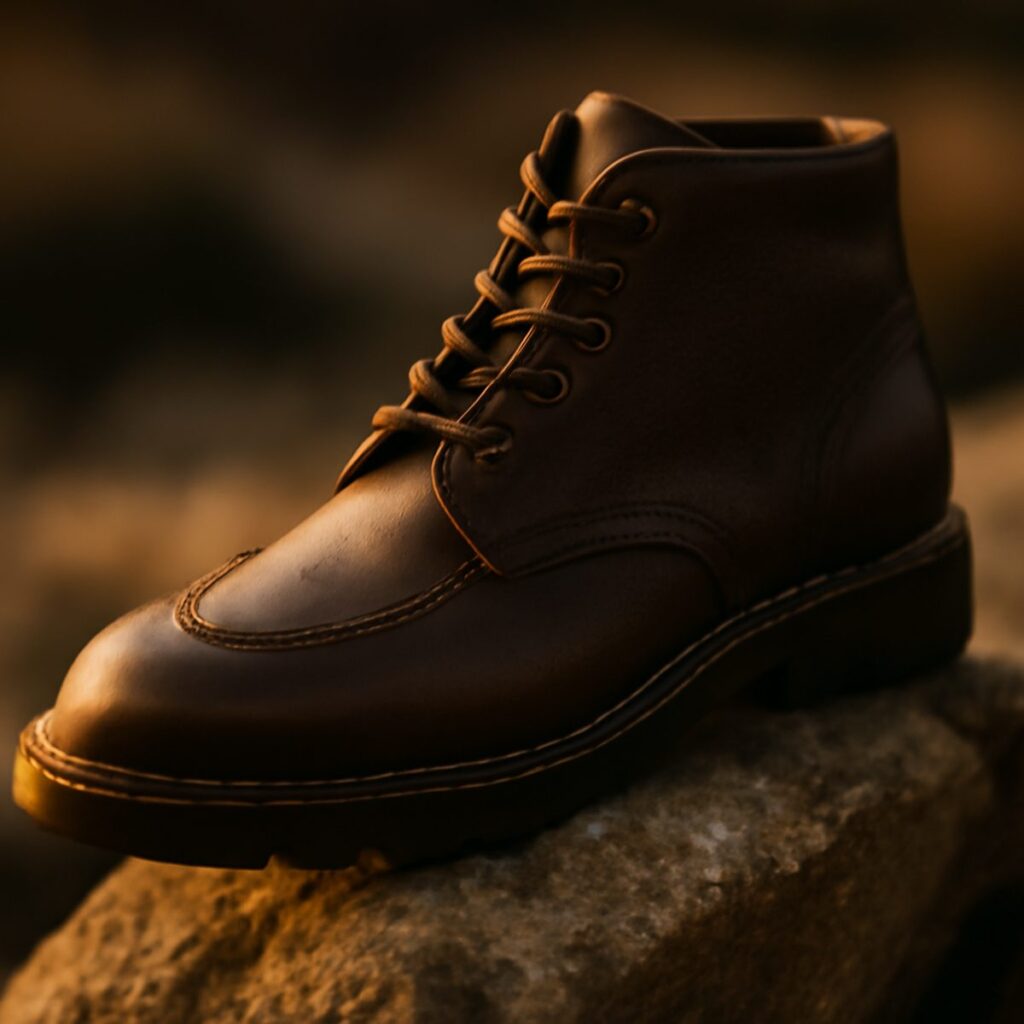
Why Waxy Flesh Leather Ages Beautifully
Heavy with oil and wax, waxy flesh leather starts stiff and matte and turns, over years, into something deep and glowing. Why it ages better than most.
 By Daniel Koh
2 September 2026 · 6 min read
By Daniel Koh
2 September 2026 · 6 min read
Some leathers look their best on the shelf and go downhill from there. Waxy flesh leather is the opposite kind of material entirely. It arrives stiff, matte and faintly ungainly, the sort of hide a novice might overlook, and then it spends the next several years quietly becoming the most characterful thing in the wardrobe. Understanding why it ages so beautifully is a lesson in the difference between leather that is finished to look good and leather that is built to become good.
What waxy flesh leather is
The term describes a heavily stuffed leather, one saturated during tanning with a high proportion of oils and waxes worked into the fibres. The flesh side, the rougher inner surface, carries much of this fill, and the whole hide holds far more conditioning matter than a typical smooth calf. That saturation is the source of everything that follows. When the leather flexes, the waxes and oils migrate, lightening at the point of stress and pooling elsewhere, producing the celebrated pull-up effect, where a bent toe or a creased vamp turns pale and then, with a rub of the thumb, deepens again. This living, shifting quality is exactly why it is so prized on hard-wearing boots. Those drawn to leathers with real depth of character will recognise the same appeal in the deep patina of cordovan, though the two age by very different mechanisms.
The patina that only wear can make
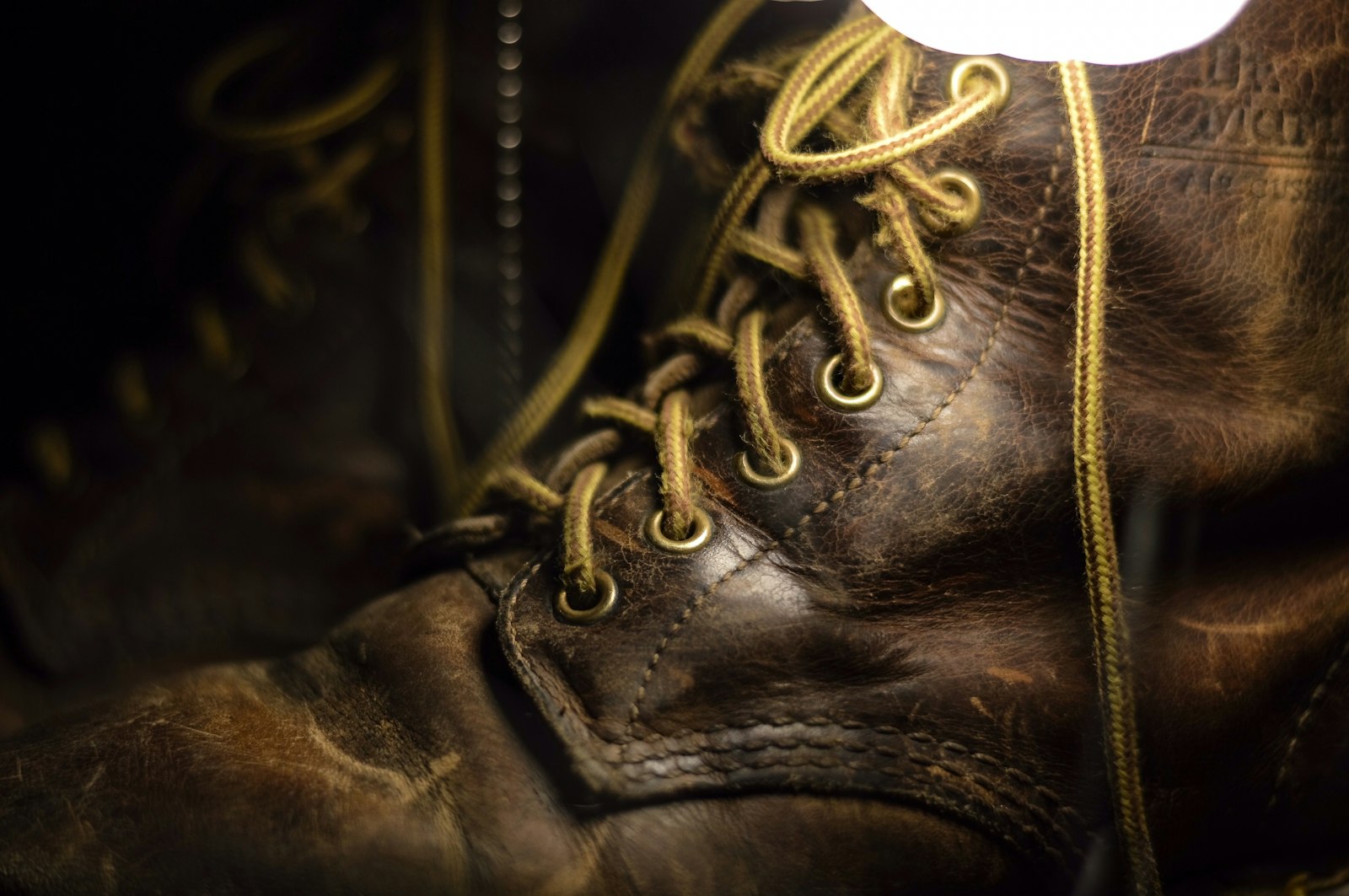
Patina is one of the most abused words in menswear, but on waxy flesh leather it means something specific and earned. As the hide is worn, the surface picks up micro-abrasions, the waxes redistribute, and the colour develops a depth and variegation that no factory finish can replicate. High-wear areas burnish to a soft sheen while protected areas hold their matte, and the whole boot takes on a map of its owner’s life, every crease a record of a particular walk. This is not damage; it is the point. The material is designed to record wear as beauty rather than as wear, and it improves for years where a delicately finished leather would simply scuff and look tired.
A waxy hide does not hide its history. It wears every mile openly, and the more honestly you use it, the better it looks.
Why the humidity of the tropics suits it
There is a particular argument for waxy flesh leather in a warm, humid climate. The heavy oil and wax content keeps the fibres supple and helps resist the drying and cracking that plagues leather swung between air-conditioning and heat. A sudden shower, the ruin of many a fine calf shoe, does far less harm to a waxy hide, which sheds water and dries without stiffening. This resilience makes it a genuinely practical choice as well as a handsome one, the rare leather that rewards being worn hard in imperfect conditions.
How to help it age well
- Wear it often: the flexing that redistributes the waxes is what builds the patina; a boot left in the box ages badly.
- Brush, do not drown: a horsehair brush lifts dirt and works the surface; heavy polish clogs the finish.
- Feed sparingly: a light conditioner once or twice a year is plenty; the hide already carries its own oils.
- Let creases live: resist the urge to buff out every mark; the character is in the record.
Why no two age alike
One of the quiet joys of waxy flesh leather is that no two examples ever end up looking the same, even when they leave the factory identical. Because the patina is built by wear, and every wearer walks, flexes and creases a boot differently, each pair records its own particular history. One man’s toes crease deep and pale from a long stride; another’s burnish smooth across the vamp from years of the same gait; a third’s darken unevenly where the hand reaches to pull them on. The colour deepens at different rates over different areas, the pull-up lightening and returning in a pattern unique to how the boot is used. This individuality is impossible to fake and impossible to buy, which is exactly why it is prized. A brand-new pair of waxy boots is a blank; a five-year-old pair is a portrait of its owner, unrepeatable and unmistakably his. In an age of mass-produced sameness, owning a material that becomes uniquely yours simply by living in it is a rare and understated pleasure, and it is the deepest reason the connoisseur reaches for the waxy hide over the neatly finished calf.
Caring for it without smothering it
The commonest mistake with waxy leather is over-care. Because it looks matte and rugged, owners reach for heavy wax polish and end up sealing the surface, killing the pull-up and dulling the natural glow. Less is genuinely more. The broader principles of shoe care still apply, and our guide to caring for leather shoes covers the fundamentals, but with a waxy hide the rule is to intervene gently and infrequently, letting the leather’s own reserves do the work. A brush after every few wears, a wipe when muddy, and a rare, light feed is the whole regime.
Where it belongs
Waxy flesh leather is at its finest on a substantial boot, the kind built on a heavy welt and meant for years of service, though it appears on rugged derbies and country shoes too. It suits a wardrobe that leans towards texture and away from shine, sitting naturally with heavy cottons, tweed and denim rather than sharp worsted tailoring. In that context it is unbeatable, a material that starts plain and ends up as the most admired thing on the foot. Those who value leathers that reward the long game will find kindred spirits in the rougher, more characterful hides, and our note on why roughout leather wears so well makes a companion case. For more of the materials, makes and small obsessions that reward patience over gloss, our Style & Watches section is the place to browse. Waxy flesh leather asks only to be worn, and it repays that faith more generously than almost anything else you can put on your feet.
Daniel has spent fifteen years arguing that the best watch is the one you never take off.