
Why Hand-Turned Wood Bowls Belong in the Home
The grain of a single tree, the hand of a single maker, and an object that only improves with use. Why the turned wooden bowl belongs in the home.
 By Priya Nair
2 September 2026 · 6 min read
By Priya Nair
2 September 2026 · 6 min read
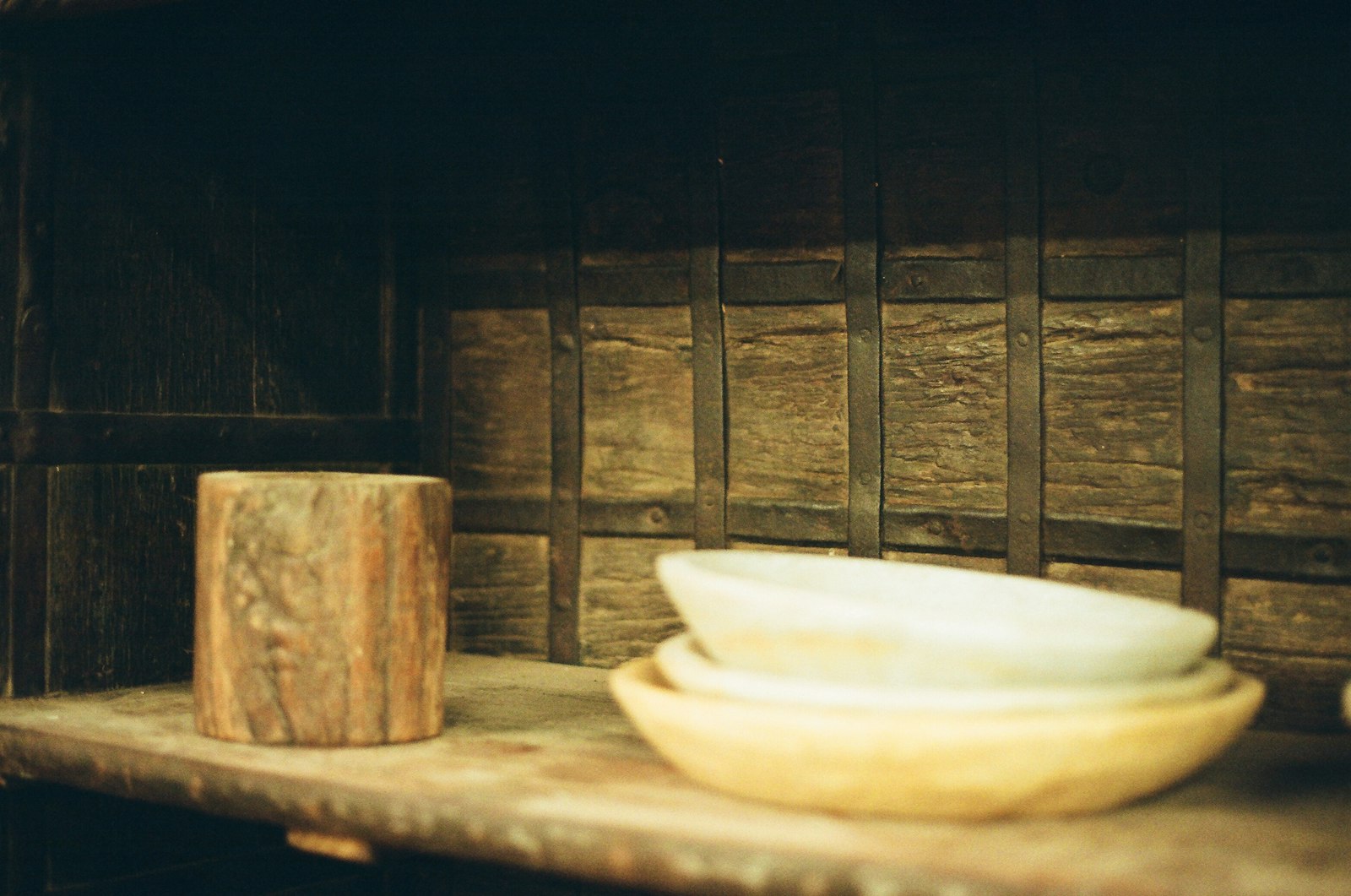
Pick up a hand-turned wooden bowl and you are holding something that machines cannot quite replicate. The wall thickness varies almost imperceptibly under your fingers; the grain flows around the form in a pattern that exists nowhere else in the world because it was cut from one particular section of one particular tree; and somewhere on the base, if the maker was honest, there is a faint mark where the piece met the lathe. It is a humble object with an unusually direct line back to both the material and the hand that shaped it, and that is precisely why it belongs in the considered home.
We have largely lost the habit of owning things made by a single person. Most of what fills a house arrives from a factory, competent and anonymous. The turned bowl is a small, affordable corrective, a piece of genuine craft that costs less than most decorative objects and does more, because it can actually be used. It sits at the intersection of art and utility that the best household things always occupy.
The grain tells the story
What separates a good turned bowl from a merely acceptable one is how the maker has read the wood. The grain is not decoration applied to the surface; it is the internal structure of the tree revealed by the cut, and a skilled turner orients the blank so that the figure flows around the form to best effect. A bowl cut from the crotch where a branch meets the trunk, or from a burr, that knotted, swirling growth some trees produce, carries a pattern of almost geological complexity. Hand-worked timber can carry the same character at the scale of a whole room, as why hand-adzed beams belong in the home explains.
This is the pleasure of natural material at its most concentrated: no two pieces alike, each one a record of how a particular tree grew. It is the same quality we admire across the honest materials of the home, from the figure in the oak floorboard to the character that only real timber develops. The bowl simply puts that pleasure in the palm of your hand.
Made to be used
A turned bowl is not a thing to keep behind glass. Wood wants to be touched; it warms in the hand, it takes on a patina from use, and a bowl handled daily for years develops a soft sheen that no finish can fake. Fill it with fruit, with keys by the door, with walnuts still in the shell, or leave it empty as a form on a shelf. The point is that it earns its place through use, not display. The same argument for useful, handmade objects extends to woven pieces, as why handwoven baskets belong in the home sets out.
“A bowl that is never used is only half made,” a turner once told me, running his thumb around a rim he had shaped that morning. “The other half happens in someone’s kitchen, over ten years.”
That philosophy, that an object completes itself through use, runs through much of what we value in the home. It is the same argument we make for why a good copper bowl earns its place: these are working objects that happen to be beautiful, and grow more so with handling.
Choosing and living with one
Start by picking up as many as you can. Weight and balance matter; a well-turned bowl feels lighter than it looks because the walls are even and true, and it sits flat without rocking. Look at the base for the maker’s mark and check the finish inside as well as out, a good turner does not skimp on the parts you cannot easily see.
For finish, an oiled surface is more honest and more repairable than a hard lacquer; it can be refreshed with a wipe of food-safe oil when it looks dry, and it lets the wood keep breathing. If a bowl is meant for food, ask what it was finished with. And do not overthink the species: a plain ash or beech bowl by a good maker beats an exotic timber turned carelessly. As with all craft, it is the hand that counts, a truth we return to in our profile of the joiners keeping woodwork alive.
The pleasure of the small commission
One of the underrated joys of the turned bowl is that it is an accessible way into commissioning craft directly. Most turners will happily make to order, and buying a bowl from the person who made it, learning which tree it came from, whether it was a storm-felled oak or an orchard apple past fruiting, adds a layer of meaning that a shop-bought object never carries.
This is collecting at its most approachable, an entry point to the broader pleasure of owning made things, of the kind we explore in our guide to collecting studio ceramics. A shelf of bowls from different makers and different woods becomes, over time, a quiet record of the trees and the hands behind them.
There is a practical care to observe, too, which is part of the pleasure rather than a chore. A wooden bowl should never go in a dishwasher or be left to soak; a wipe with a damp cloth and a thorough dry is all it wants, and a periodic feed of food-safe oil keeps the wood from drying and cracking. Treated this way, a bowl will outlast its owner. That small ritual of maintenance, oiling a bowl once a season the way one might a good cutting board, is itself a quiet reminder that some possessions are meant to be kept and cared for rather than used up and discarded.
A small argument for the handmade
In a house full of manufactured things, the turned bowl is a small daily reminder that objects can be made by people, from materials with a history, in ways that improve with time rather than degrade. It costs little, asks nothing but occasional oiling, and gives back a tactile pleasure most possessions never manage.
Buy one from a maker you can name, use it hard, and let it develop the patina of a life lived in the kitchen. It will outlast almost everything you bought the same year, and it will look better for the wear. For more of the honest, handmade objects that make a house feel considered, our Homes & Culture desk keeps turning them up. Choose by the hand, and let the wood do the rest.
Priya tours the homes most people only glimpse from the road, and asks how they are really lived in.


