Understanding the Regulator Watch
Its hands sit apart, not stacked, and there is history in that. Understanding the regulator watch, the unusual dial born of precision timekeeping.
 By Daniel Koh
2 September 2026 · 5 min read
By Daniel Koh
2 September 2026 · 5 min read
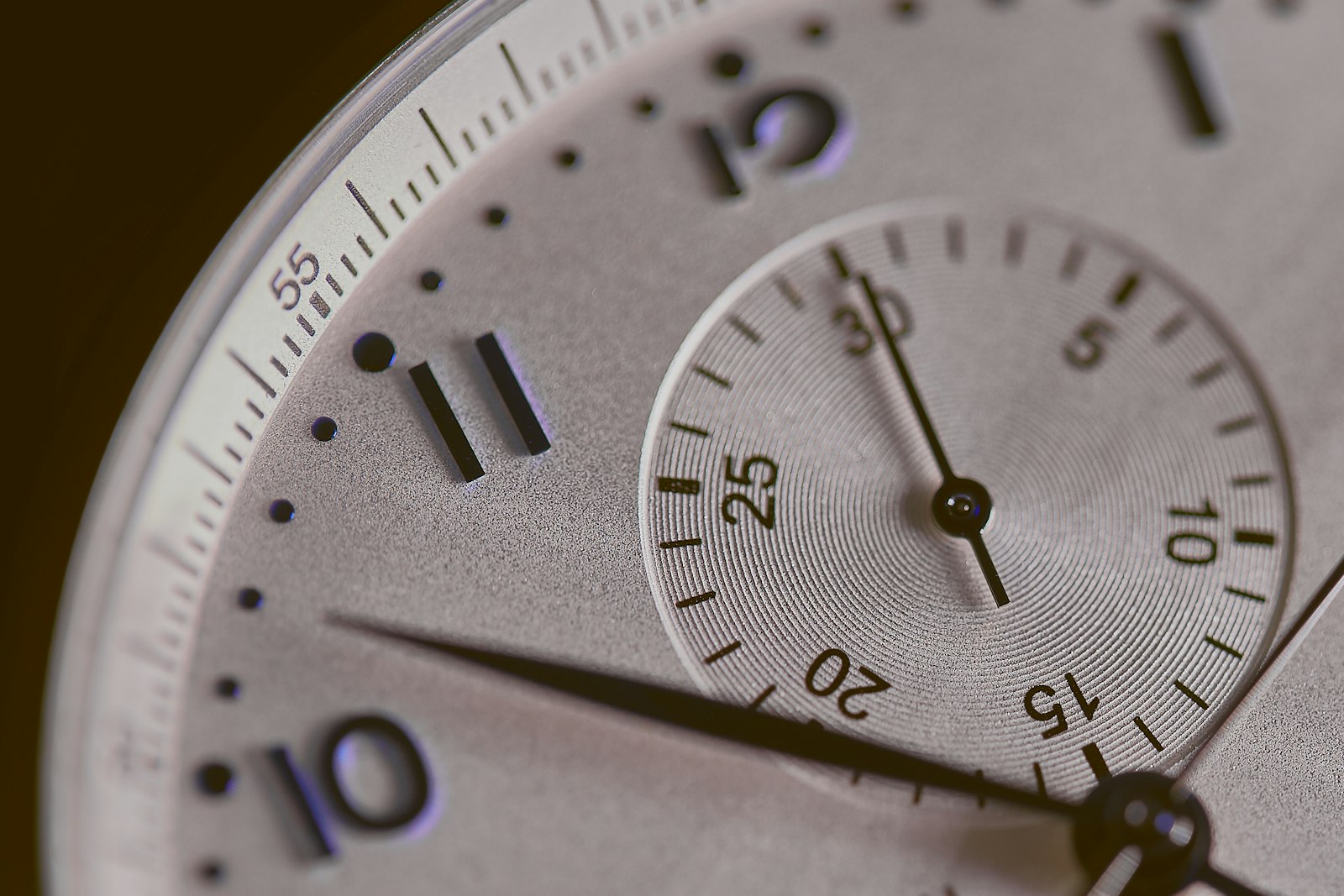
Look at almost any watch and the arrangement is so familiar it is invisible: hour, minute and seconds hands stacked at the centre, sweeping around a shared dial. The regulator watch breaks that convention entirely. Here the hands are separated — the minutes given pride of place in the centre, the hours and seconds banished to their own small sub-dials. The effect is unusual, faintly technical, and to those who understand where it comes from, quietly beautiful.
The regulator is not a stylistic affectation. Its layout is a direct inheritance from one of the most important instruments in the history of timekeeping, and understanding that history is what turns an odd-looking dial into an object of genuine fascination.
Born of precision
The regulator takes its name and its design from the precision clocks that once governed the accuracy of all other timepieces. In observatories and fine watchmakers’ workshops, a master regulator clock kept the reference time against which pocket watches were set and adjusted. On such a clock, legibility of the minutes mattered most, so the minute hand was given the whole central dial, while the hours and seconds were relegated to subsidiary dials where they would not clutter the crucial reading.
That functional layout, born of the need for absolute precision, is what the modern regulator dial preserves. Every regulator on the wrist today is a small tribute to those reference clocks and the exacting craft they represented. It is the kind of horological story that rewards a collector’s curiosity, much as the intricate mechanisms explored in our note on the tourbillon watch reward those who look beneath the dial.
Reading a regulator
There is a small learning curve, and that is part of the charm. Because the hands are separated, telling the time takes a fraction longer at first — the eye must gather the hour from one sub-dial, the minutes from the centre, and the seconds from another. Within a day or two it becomes second nature, and there is a quiet pleasure in the deliberate act of reading a watch that does not give up its time at a careless glance.
That deliberateness appeals to a particular kind of collector — one who values the unusual and the historically grounded over the merely conventional. It is the same sensibility that draws people to a world timer, another complication that turns the reading of time into something richer than a simple glance.
The regulator asks you to read time deliberately rather than reflexively, and in doing so it restores a little ceremony to the most ordinary of glances.
The aesthetic appeal
Beyond the history, there is the sheer visual interest. A regulator dial has a balance and asymmetry that a conventional layout cannot offer — the interplay of the large central minute track with the smaller sub-dials creates a composition that is architectural and satisfying. It gives a watchmaker room to play with proportion, guilloché texture and contrast in ways that a crowded central stack does not allow.
That decorative freedom is where the regulator becomes a canvas for craft. The separated dials invite the kind of hand-finishing and engine-turning that our note on guilloché watch dials explores, and a well-made regulator can be a showcase for exactly that artistry.
Why collectors are drawn to it
- A distinctive, historically grounded layout that stands apart from the conventional three-hand dial.
- A direct link to the precision reference clocks that shaped modern timekeeping.
- Rich scope for dial decoration, from guilloché to contrasting sub-dial finishes.
- A deliberate, considered way of reading time that rewards the attentive owner.
A watch for the curious
Choosing one, and living with it
For the collector drawn to the regulator, there is a pleasingly wide field to explore. The layout appears across the price spectrum, from accessible independents making handsome, honest watches to the highest reaches of haute horlogerie, where the separated dials become a stage for extraordinary finishing. Because the regulator remains a relatively niche taste, it tends to be made by watchmakers with genuine conviction rather than by those chasing the mainstream, which often means a more thoughtful, characterful watch for the money.
When choosing one, the balance of the dial is everything. A well-designed regulator arranges its central minute track and its subsidiary hour and seconds dials in a composition that feels considered and harmonious, not cramped or arbitrary. Look closely at the proportions, the legibility of each element, and the quality of the finishing on the dial, since this is a layout that puts craftsmanship on open display. A poorly balanced regulator looks awkward; a good one is quietly mesmerising.
A regulator lives or dies on the balance of its dial. Get that composition right and it is one of the most satisfying things in watchmaking to look at, day after day.
Living with a regulator is its own slow pleasure. The initial novelty of reading time from separated dials soon gives way to genuine affection, and many owners find it becomes their favourite watch precisely because it asks a little more of them. In a world of watches designed to be understood at a careless glance, there is something quietly rewarding about one that repays a moment’s proper attention every time you check the hour.
The regulator is not for everyone, and it does not try to be. It asks a little more of its wearer — a moment’s thought to read, a curiosity about its origins — and it rewards that engagement with a depth that a conventional watch rarely offers. For the collector who has grown tired of the familiar and wants something with a story to tell, it is one of the most quietly compelling designs in all of watchmaking. As with any fine mechanical piece, it deserves proper care; our guide to servicing a mechanical watch is essential reading for anyone bringing one home. For more on the watches worth understanding deeply, the rest of our style and watches writing is the place to keep looking.
Daniel has spent fifteen years arguing that the best watch is the one you never take off.