Understanding the Art of the Navarin of Lamb
The navarin of lamb explained: how the classic French spring stew is built, why the browning matters, and the vegetables that turn it from good to memorable.
 By Renée Tan
2 September 2026 · 6 min read
By Renée Tan
2 September 2026 · 6 min read
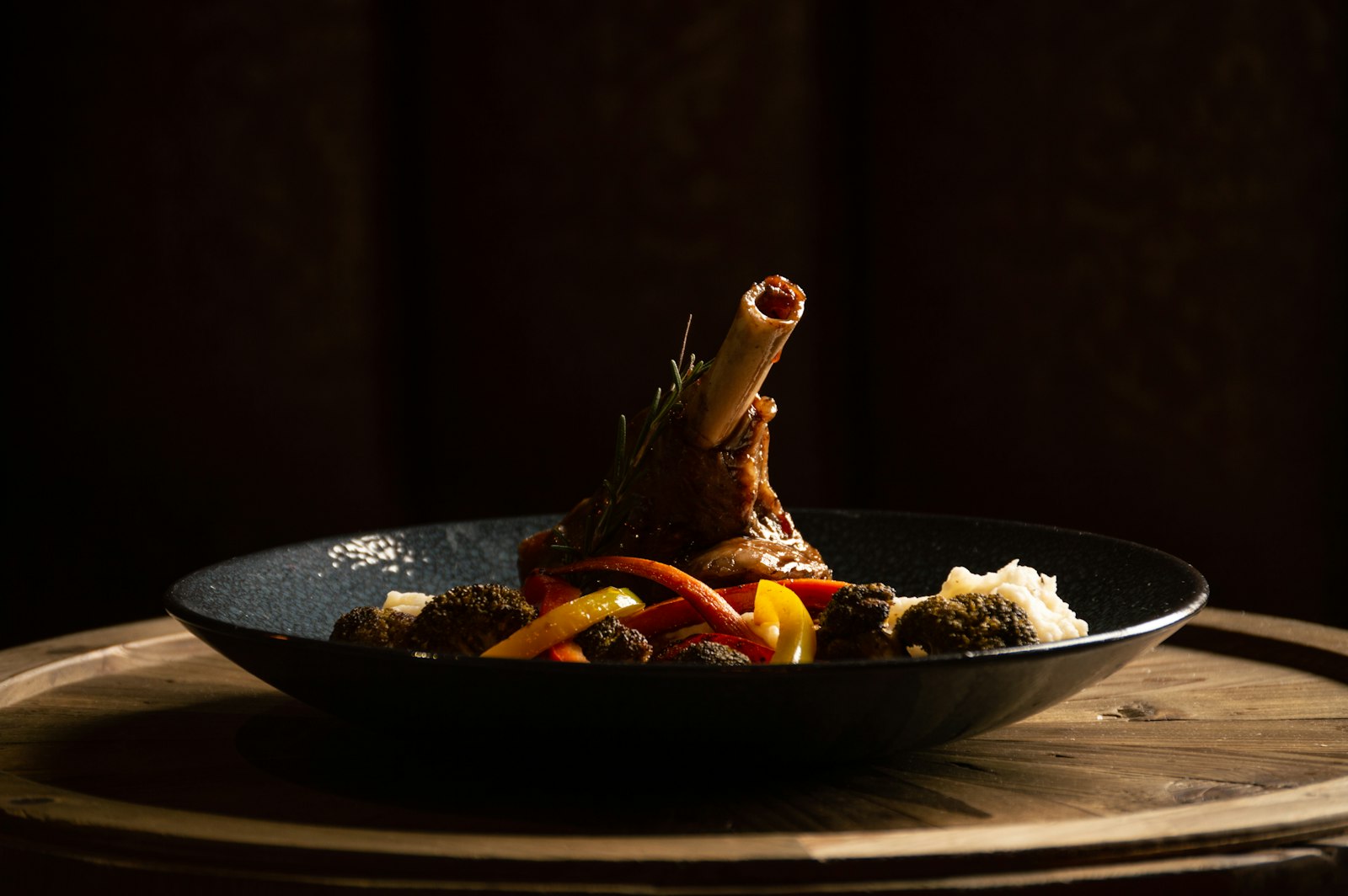
Of all the ways to cook a shoulder of lamb, the navarin of lamb is among the most quietly civilised. It is a spring stew, French in origin and gentle in temperament, in which pieces of lamb are browned, simmered in a light, glossy sauce, and finished with the first tender vegetables of the season. There is nothing showy about it. It arrives at the table looking like exactly what it is, which is honest cooking done with care.
A stew that belongs to spring
Most stews are creatures of winter, built for cold nights and long, dark braises. A lamb navarin stew leans the other way. Traditionally it marks the turn of the year, when young turnips, small carrots, new potatoes and fresh peas begin to appear. The sauce is lighter than a wintry casserole, the vegetables are added late so they keep their freshness, and the whole dish tastes of the season changing rather than of hunkering down.
That said, the technique underneath is the same one that governs all good braising, and a cook who has spent time understanding the art of the braise already holds most of the cards. Brown well, simmer gently, and let time rather than heat do the tenderising.
The browning is not optional
Everything good in a navarin begins in the first ten minutes, at the bottom of the pan. The lamb must be dried thoroughly and browned hard, in batches, so that each piece takes on a deep colour without stewing in its own steam. Crowd the pan and you boil the meat grey; give it room and you build the fond, the sticky caramelised residue that will become the backbone of the sauce.
Building the light sauce
Where a heavier stew might lean on flour and dark stock, a navarin keeps things restrained. A little flour dusted over the browned meat gives just enough body. A spoonful of tomato adds colour and a whisper of acidity. Then comes the liquid, usually a good stock, and here the quality of what you pour in decides the outcome. This is a dish that exposes a weak base instantly, which is why it pays to keep proper stock and broth to hand rather than reaching for a cube.
A navarin is a lesson in restraint. The sauce should coat the back of a spoon, never smother it; the vegetables should taste of themselves, not of the pot.
The vegetables, and when they go in
The single most common mistake is treating the vegetables as an afterthought and letting them collapse into the sauce. In a proper navarin they are the point. Small turnips, glazed until just tender, are the signature. Young carrots, new potatoes and fresh peas each go in according to how long they take, so that all arrive at the table with their colour and their bite intact.
- Root vegetables early enough to soften but not disintegrate.
- New potatoes partway through, so they drink up the sauce.
- Peas and any tender green only in the final minutes, off a gentle heat.
The effect is a stew that looks like a garden in a bowl, each vegetable distinct, all of them bound by that clear, glossy sauce. If you enjoy giving humble vegetables a leading role, you will find kindred spirit in our argument for why the Jerusalem artichoke deserves a bigger role.
The cut, and the patience
Shoulder is the cut to use. It carries enough fat and connective tissue to stay succulent through a long simmer, where leg would turn dry and stringy. Cook it low and slow, a bare tremble rather than a boil, for as long as it takes the meat to yield to a fork. This is the same unhurried logic that governs a slow-roast lamb: gentle heat, given time, does what fierce heat never can.
Do not be tempted to hurry the end. A navarin that has been rushed is tough and thin; one that has been given its due is meltingly tender, its sauce clean and bright, its vegetables glistening. It is a dish that repays attention and quietly punishes impatience.
The bouquet garni and the seasoning
A navarin is delicately flavoured, so its aromatics must be judged with a light hand. A bouquet garni, a small bundle of thyme, bay and parsley stalks, is the classic seasoning, lending a gentle herbal note that perfumes the sauce without overwhelming the lamb. A little garlic softens into the background, and a scrap of orange peel is a traditional touch in some kitchens, adding an almost imperceptible brightness.
Salt is best added in stages rather than all at once, because the sauce reduces as it cooks and a stew seasoned too early can end up too salty by the time it is done. Taste towards the end, when the liquid has concentrated, and correct then. This patience with seasoning is the mark of a cook who trusts the process rather than forcing it.
Making it a day ahead
Like most braised dishes, a navarin improves with a night’s rest. Cooked a day in advance and gently reheated, the flavours settle and deepen, and any excess fat can be lifted cleanly from the surface once it has chilled and set. If you plan this way, hold the more delicate vegetables back and add them only when you reheat, so the peas and greens arrive fresh and bright rather than tired.
This makes the navarin a genuinely practical dish for entertaining. The heavy lifting, the browning and the long simmer, is done in advance, leaving only a gentle reheat and the final vegetables on the day itself. It is the sort of quietly clever cooking that lets the host sit down with the guests rather than standing over the stove.
A quiet triumph
Served with nothing more than good bread and perhaps a glass of something light, a navarin of lamb feels like an act of seasonal good sense. It is not a dish that seeks applause. It simply tastes of spring, of care, and of a cook who understood that the best cooking is often the least insistent. For more classic technique worth learning slowly, wander through the rest of our dining and drinks writing.
Renée has covered Singapore's restaurants for over a decade, with a soft spot for the kitchens most people walk past.