The Slow Revival of the Terrine
How to make a terrine at home, from the coarse country forcemeat to the pressing and the patient wait, and why the old, generous dish is quietly back in favour.
 By Renée Tan
1 September 2026 · 6 min read
By Renée Tan
1 September 2026 · 6 min read
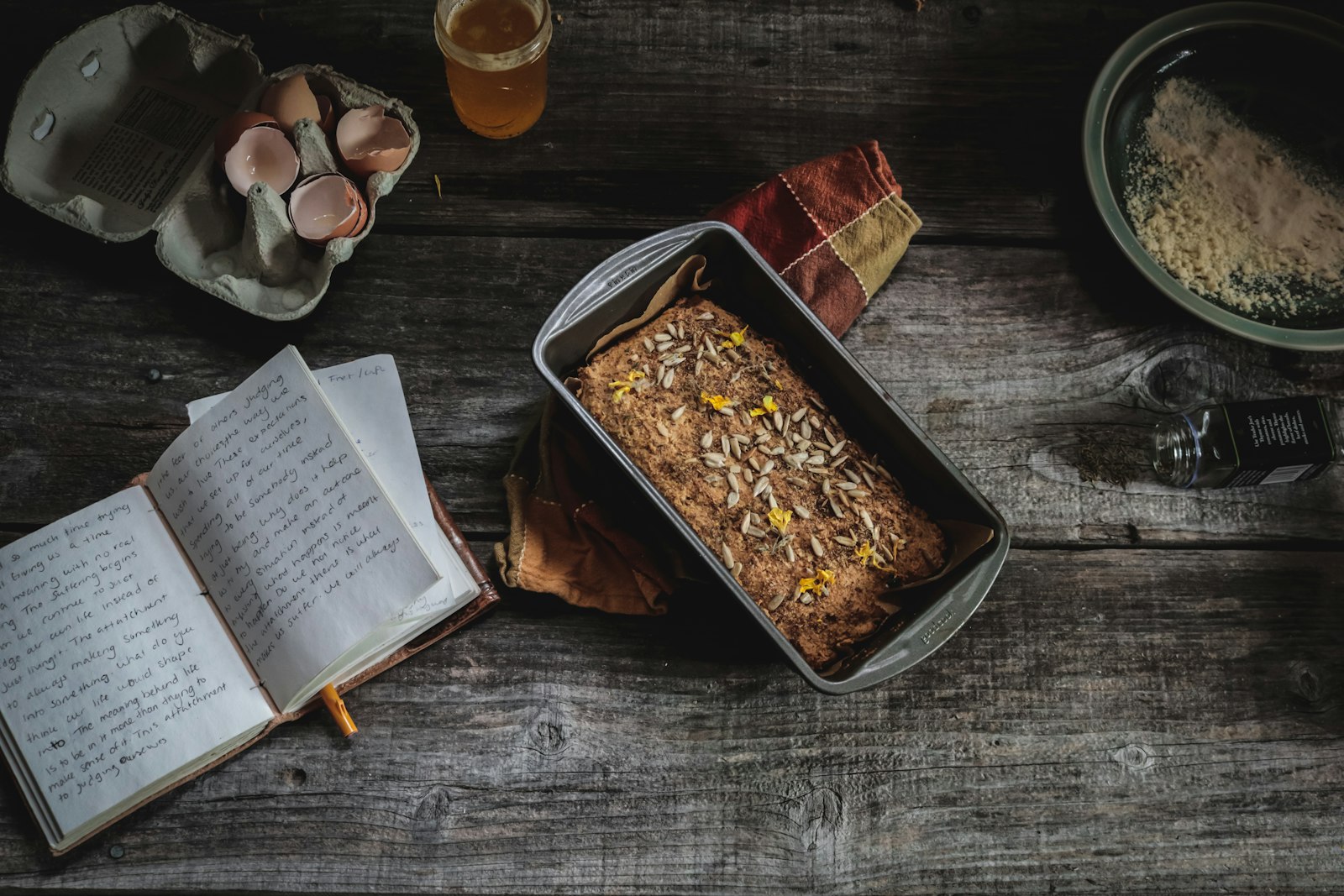
For a while the terrine felt like a relic, the sort of thing your grandmother’s cookbook described with a confidence no one shared any more. Lately it has crept back onto menus and into ambitious home kitchens, and the reasons are easy to understand. It is generous, it is made ahead, it improves with a few days’ rest, and it turns humble cuts into something that feels like an occasion. A terrine is thrift dressed as luxury, which is a very appealing thing to be.
What a terrine actually is
Strip away the ceremony and a terrine is simply a seasoned mixture of meat, fat and aromatics, packed into a lidded dish, cooked slowly in a water bath, then pressed and chilled until sliceable. The word refers both to the dish and to what is cooked in it. A pate is close kin, generally smoother; a country terrine, the pate de campagne of the French table, is deliberately coarse, flecked with liver and studded with whatever you fold through it. A humbler cousin, set in its own jelly rather than pressed into a lined dish, is the subject of the slow revival of the brawn.
It belongs to the same tradition of patient, preserving craft as home-cured bacon, the old kitchen habit of turning time and salt into something better than the sum of its parts. Once you have made one, the whole tradition of charcuterie stops looking intimidating and starts looking like something you can do at your own kitchen table.
Building the forcemeat
The heart of a terrine is the forcemeat, the mixture itself. Pork is the usual backbone, both lean shoulder and a generous proportion of fat, because fat is what keeps a terrine succulent rather than dry and crumbling. A quantity of liver, chicken or pork, brings that characteristic mineral depth. Beyond that the field is open: a handful of pistachios for colour and bite, soaked dried fruit for sweetness, a lacing of brandy, a whisper of warm spice.
Grind or chop the meats to the texture you want, coarse for a rustic result, finer for something smoother. Season boldly. A terrine is eaten cold, and cold mutes flavour, so a mixture that tastes correctly seasoned warm will taste timid once chilled. The old cook’s trick is to fry a small spoonful, taste it, and adjust before committing the whole batch. The same pressed, sliced tradition extends to humbler cuts, as our piece on the slow revival of pressed tongue explains.
Line, pack and cook gently
Line the dish with thin strips of streaky bacon or caul fat, letting them overhang so you can fold them back over the top. This bastes the terrine as it cooks and gives it a neat, marbled edge when turned out. Pack the forcemeat in firmly, pressing out air pockets that would otherwise leave holes in the slice, and fold the lining over the top.
Now cook it low and slow in a bain-marie, the dish sitting in a roasting tin half-filled with hot water. The water bath moderates the heat so the terrine cooks evenly and gently, never boiling, which would turn it grainy. A thermometer earns its place again here; you are cooking to a precise internal temperature, not a colour.
The bain-marie is the whole secret of a tender terrine. Cook it in dry oven heat and the edges seize before the centre is done; surround it with water and it comes up evenly, silky throughout.
Press, wait, and do not rush
Here the discipline is patience. When the terrine comes out of the oven, weight it while it cools, a foil-wrapped board with a couple of tins on top does the job. Pressing compacts the mixture so it slices cleanly rather than falling apart, and settles the fat into the grain.
Then chill it, and wait. A terrine eaten the day it is made is a pale version of itself. Given two or three days in the fridge, the flavours marry, the seasoning settles, and the texture firms into something you can cut into clean, handsome slices. This is a dish that actively rewards forward planning, which makes it a gift to anyone who entertains, and a quietly smug thing to have waiting in the fridge when guests arrive.
How to serve it
Serve it cool, not fridge-cold, cut into generous slices. The classic accompaniments are the sharp, bright counterpoints that cut its richness: cornichons, a spoonful of grainy mustard, pickled shallots, good bread. A glass of something with a little acidity beside it, perhaps a chilled dry sherry, is close to perfect.
It also makes a magnificent centrepiece for a shared, unhurried table, sitting among cured meats and cheeses much as it might on a properly composed board. There is something quietly hospitable about setting down a whole terrine and letting people help themselves.
Variations, and the confidence to improvise
Once you have made a terrine or two and understood the underlying logic, the recipe stops being a set of instructions and becomes a template you can play with. The ratio of lean meat to fat is the one rule you cannot cheat, since fat is what keeps the whole thing tender, but almost everything else is open to interpretation. Swap some of the pork for game in autumn, for a deeper, more savoury result. Fold in a handful of soaked prunes or apricots for pockets of sweetness against the richness. Lace it with a different spirit, or a scatter of green peppercorns, or a bolder hit of spice.
The confidence to improvise comes from that one reliable habit: frying a small spoonful of the raw mixture, tasting it, and adjusting before you commit. Because the terrine is eaten cold, and cold flattens flavour, you learn to season past the point that feels comfortable when tasting warm. Get into that habit and you can build a terrine around whatever the season and the butcher offer, rather than chasing a specific list of ingredients.
Presentation, too, rewards a little thought. A layer of pistachios or a line of whole spice running through the centre gives each slice a handsome cross-section, turning a rustic dish into something that looks considered on the board. None of this is difficult, and all of it is the sort of thing you only discover by making the dish more than once, which is reason enough to put it into your regular rotation rather than saving it for special occasions.
None of this is difficult. It asks for good ingredients, bold seasoning, a gentle water bath and, above all, the patience to wait a few days before you cut into it. Do that, and you will understand why the terrine is enjoying its quiet revival, and why it never really deserved to fall out of fashion in the first place. For more slow, rewarding kitchen craft, the rest of our Dining & Drinks writing keeps returning to exactly this pleasure.
Renée has covered Singapore's restaurants for over a decade, with a soft spot for the kitchens most people walk past.