The Considered Home Gym
Most home gyms fail as rooms long before the equipment gets used. Here is how to design one that earns its place in daily life, not just the floor plan.
 By Priya Nair
29 August 2026 · 6 min read
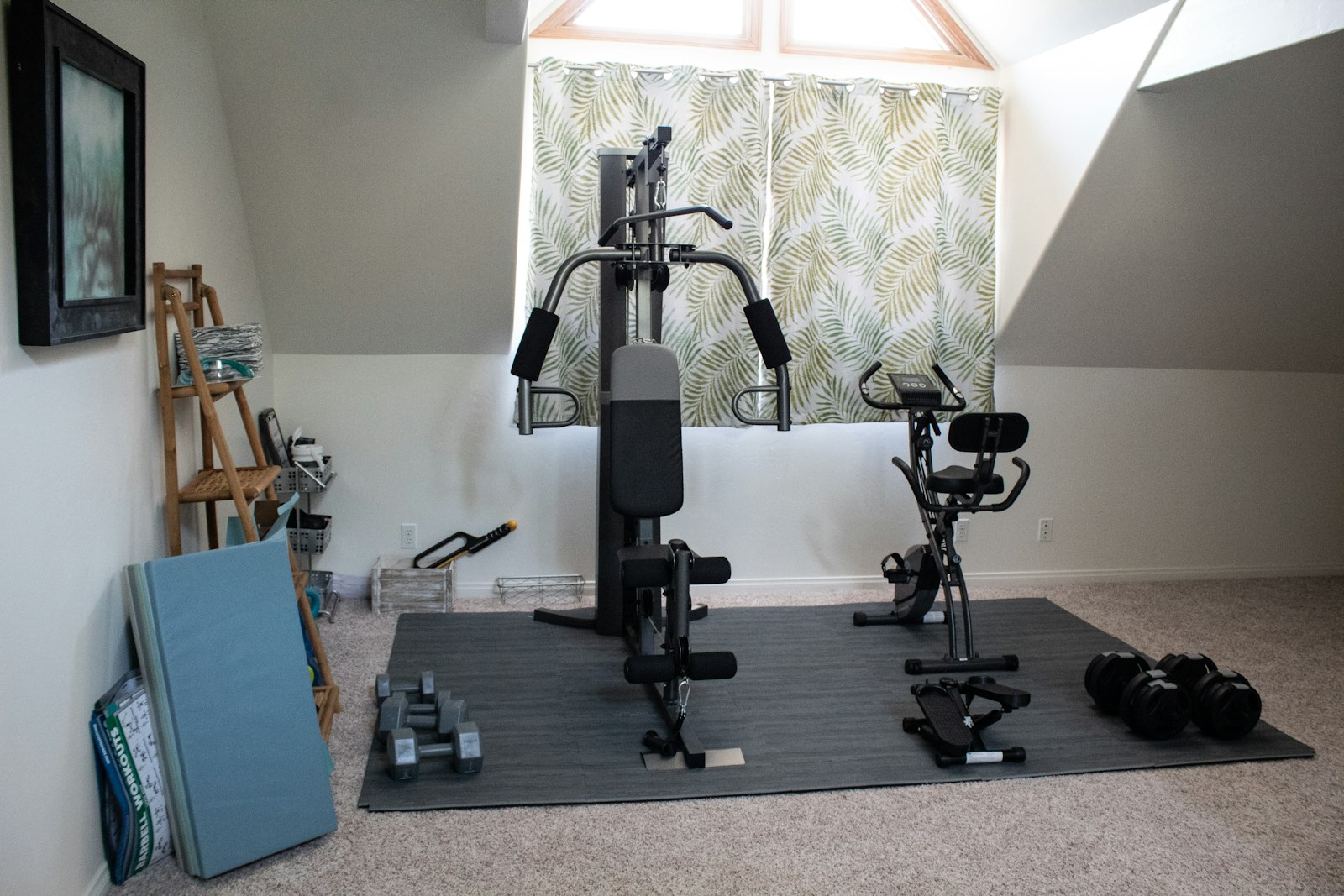
The home gym has a poor track record as a room. It tends to begin with enthusiasm — a treadmill ordered, a rack of dumbbells arriving in a flurry of cardboard — and end, within a year or two, as the most avoided room in the house, a place for storing things that no longer have a home elsewhere. The equipment was rarely the problem. The room was. A home gym designed with the same care given to a living room or a home office is a genuinely different proposition, one people actually want to walk into, and that difference in design is almost entirely responsible for whether the space gets used.
Light and air, before equipment
The single biggest determinant of whether a home gym gets used is how the room feels to be in, and that comes down to light and ventilation long before it comes down to which machines fill it. A windowless spare room in the basement, however well equipped, asks a great deal of willpower every single time. A room with natural light, ideally with a view out rather than a blank wall, and proper airflow or air conditioning sized correctly for a room that will generate real heat during use, does most of the psychological work before a single rep is performed.
Flooring that actually works
- Rubber flooring, in interlocking tiles or a rolled sheet, absorbs impact and protects the subfloor from dropped weights — non-negotiable for anything beyond light cardio.
- Avoid carpet entirely; it holds odour, shifts under equipment, and makes floor work genuinely uncomfortable.
- A slightly darker, matte rubber tone reads as considered rather than institutional, closer to the aesthetic of the rest of the home than the bright primary colours of a commercial gym.
Mirrors, used deliberately
Mirrors serve a real functional purpose in a training space, helping with form on lifts that are hard to self-correct without visual feedback. But a wall entirely mirrored can feel clinical and cold, closer to a dance studio than a room in a home. A single mirrored wall, sized to the area actually used for lifting, paired with warmer materials elsewhere — timber, stone, plaster — keeps the room feeling like part of the house rather than a rented studio bolted on.
Equipment: less, chosen well
The trap most home gyms fall into is trying to replicate a commercial facility at a fraction of the space, resulting in a cramped room crowded with machines that see infrequent use. A more considered approach mirrors the thinking in the case for fewer, better things: a well-chosen rack, an adjustable bench, a modest range of free weights, and enough open floor for mobility work covers the genuine needs of most home training far better than a room stuffed with single-purpose machines gathering dust.
“The gyms that actually get used are the ones that don’t feel like a compromise,” says one Singapore fitness consultant who designs private training spaces. “If it looks like a storeroom with a treadmill in it, people avoid it exactly the way they’d avoid a storeroom.”
Acoustics and privacy
A home gym generates noise — dropped weights, music, the particular clatter of a rowing machine — and thinking through acoustic separation from the rest of the home prevents it becoming a source of household friction. Solid-core doors, some sound-dampening underlay beneath the rubber flooring, and siting the room away from bedrooms where possible all make a meaningful difference. In landed properties, a converted outbuilding or a room adjoining the garage, similar in spirit to the flexible thinking behind reimagined balcony spaces, often works better than squeezing training into a spare bedroom never designed for the purpose.
Storage that keeps the room usable
A training space fills quickly with small equipment — resistance bands, foam rollers, loose plates — and without deliberate storage, this clutter accumulates until the room starts to feel chaotic rather than considered. Open shelving, sized specifically for the equipment actually owned rather than a generic system, keeps everything visible and accessible without the room slipping into disorder. A dedicated spot for towels and water, close to the door, removes one more small friction point that can otherwise discourage a session before it begins. These details are unglamorous, but they are exactly the kind of quiet planning that determines whether a home gym gets used consistently or slowly becomes another room people walk past.
Sound is worth a final mention here too: a compact speaker or a simple wired connection for music or a podcast, planned into the room rather than bolted on afterward, removes yet another small barrier between intention and actually training.
Climate control for a room that generates real heat
A home gym places genuinely unusual demands on air conditioning compared with the rest of a house, generating far more body heat and humidity in a short period than a living room or bedroom ever does. Sizing a cooling unit specifically for this room, rather than relying on a system designed for general residential use, prevents the space from becoming genuinely uncomfortable during a serious session, which is often the quiet reason a well-equipped gym still goes unused. A dedicated, slightly oversized unit with good airflow across the room, rather than a single vent in one corner, makes a disproportionate difference to how sustainable regular training in the space actually feels.
Bringing in natural elements
A few plants suited to lower light and higher humidity, and a single piece of considered art or a large mirror beyond the functional training mirror, go a long way toward making a home gym feel like part of the house rather than a clinical add-on. These are inexpensive gestures relative to the rest of the room’s fit-out, and they consistently rank among the details owners mention when asked what actually made the space feel worth walking into each morning.
A room that earns its place
The best home gyms, in the end, do not look like gyms at all in the conventional sense — they look like considered rooms that happen to hold training equipment, finished with the same materials and attention as the rest of the house. That continuity is what keeps a person walking through the door on the mornings when motivation alone would not be enough. For more on designing rooms that serve real daily habits rather than aspirational ones, visit our Homes & Culture section.
Priya tours the homes most people only glimpse from the road, and asks how they are really lived in.