
The Case for the Boiling Water Tap
It sounds like a gadget and turns out to be an infrastructure decision. The considered case for the boiling water tap, and the honest reservations to weigh.
 By Priya Nair
1 September 2026 · 6 min read
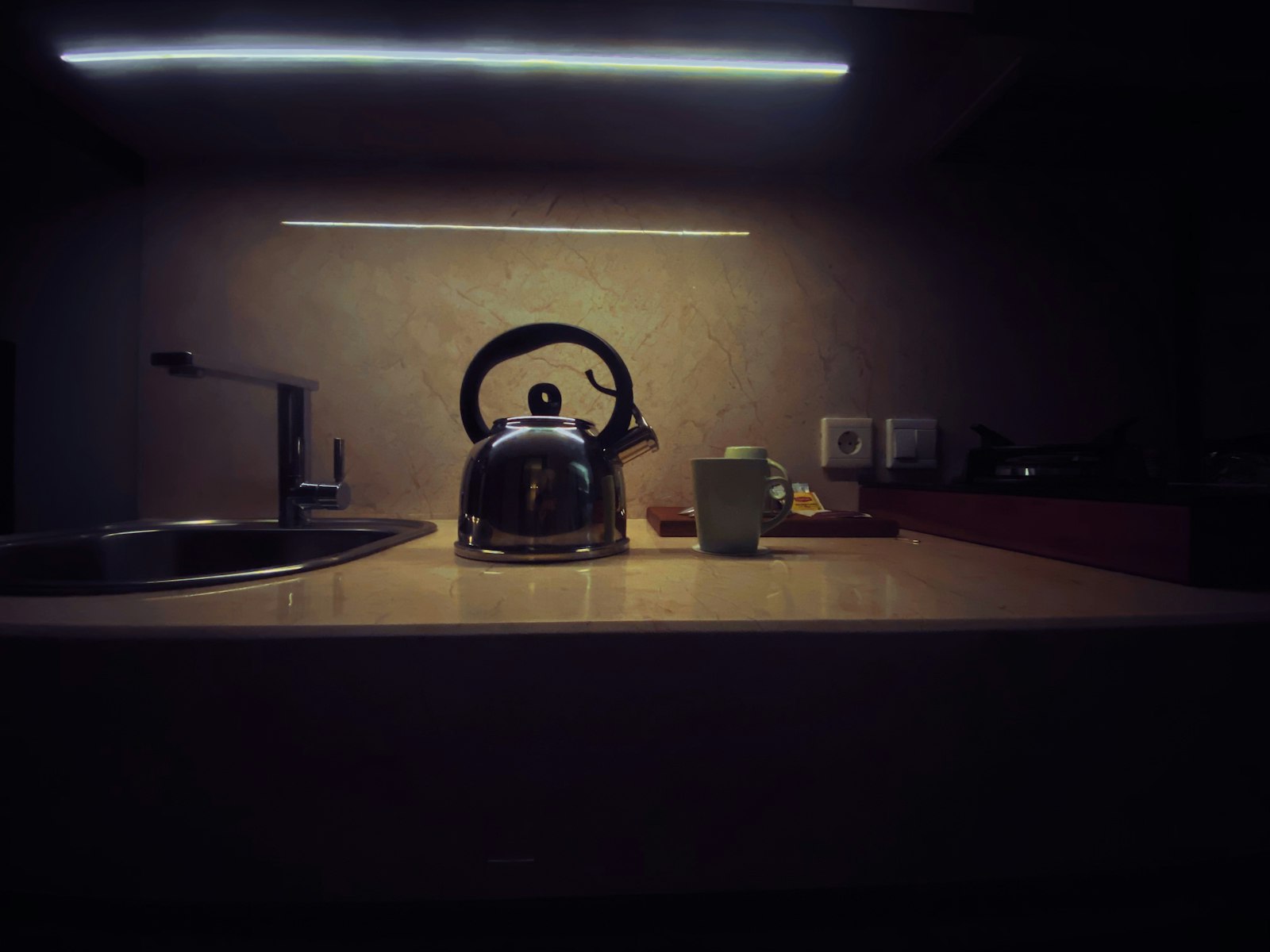
Few kitchen additions divide opinion quite like the boiling water tap. To some it is the height of unnecessary gadgetry, a solution to a problem the kettle solved long ago. To others, and their number grows steadily, it is the single upgrade that quietly rewired the daily rhythm of the kitchen and that they would never now give up. The truth, as usual, sits between the two, and it is worth setting out honestly, because a boiling water tap is not really an appliance. It is a small piece of infrastructure, and it deserves to be judged as one.
What it actually changes
The obvious pitch is speed, and that is real. Instant near-boiling water on demand retires the kettle entirely: tea and coffee the moment you want them, pasta water that starts hot, blanching and stock-making without the wait, hot water to loosen a stubborn jar or warm a bowl. But the deeper change is subtler and more valuable. The kettle, that lump of plastic or steel that lived permanently on the worktop, simply vanishes, and with it a surprising amount of visual and physical clutter.
That reclaimed worktop is the quiet luxury of the thing. A kitchen is a working room, and space to work is its scarcest commodity; anything that removes a permanent object from the counter earns its keep. This is the same instinct that drives the argument for the case for the open-shelf kitchen and for keeping the working surfaces clear, and it belongs to the broader philosophy of a kitchen arranged around the people who actually cook in it, made at length in kitchens designed for people who cook.
The considered objections
Honesty demands the case against, because it is not trivial. A boiling water tap is a genuine expense, both to buy and to install, since it needs a small heated tank plumbed in beneath the sink and, in most cases, its own filter. It draws power to keep that tank hot, though modern insulated units are far more frugal than the reputation suggests. And it is one more mechanical thing to maintain, with a filter to change and, eventually, parts that wear.
People ask whether it is worth it, and I always say the same thing. You will not notice it for a week, and then one day the kettle will be gone and you will realise you reach for the tap fifteen times a day without thinking. That is when it has earned its place.
Safety is the other reasonable worry, particularly in a house with small children, and it is well handled by the better designs, which require a deliberate push-and-turn to release the boiling water and run the spout cool to the touch. As with any serious fixture, the quality of the thing matters enormously, and the same logic that governs the choice of the brass tap applies: buy the good version once rather than the cheap version twice.
Choosing and placing one
If the case persuades you, choose carefully. The tank size should match the household; a larger one delivers more boiling water in succession, which matters if you entertain. A combined tap that also gives filtered cold and ordinary hot water is the tidiest solution, consolidating three functions into one fixture and freeing the space a separate filter tap would take. Finish it to match the rest of the kitchen’s metalwork, and it disappears into the scheme rather than announcing itself.
Placement is simply wherever the sink is, but think about the run: a boiling water tap pairs naturally with a well-planned prep zone, and it sits comfortably alongside the considered plumbing of a secondary basin, the argument for which is made in the case for the pantry sink. Plan it in at the design stage rather than retrofitting, and the installation is cleaner and cheaper.
Before you commit
- Match the tank size to how you cook and entertain; small households rarely need the largest.
- Choose a child-safe model with a genuinely cool spout if there are young children about.
- Consolidate: a single tap for boiling, filtered cold and hot water saves space and looks calmer.
- Budget for the filter changes. It is a small running cost, but it is a real one.
The small daily graces
Beyond the headline uses, it is the minor conveniences that make the tap quietly addictive, and they are the ones no showroom bothers to mention. Warming the teapot before the leaves go in. Filling a hot-water bottle in seconds on a cold night. Loosening honey or oil from a bottle stood briefly in a hot bowl. Sterilising a chopping board, softening butter, dissolving a stock cube, filling the sink for washing-up without waiting for the boiler to catch up. None of these is momentous, but together they add up to a kitchen that responds instantly rather than making you wait, and the waiting, once gone, is not missed.
There is an environmental footnote worth making too, because it cuts both ways and honesty demands it. On the credit side, a good tap heats only the water you draw, sparing the universal habit of boiling a full kettle for a single mug and the energy that wastes. On the debit side, the tank sits hot around the clock, drawing a trickle of standby power to stay ready. The modern, well-insulated units have tipped this balance firmly towards efficiency for anyone who draws hot water often, but the light user should weigh it honestly rather than assume the tap is automatically the greener choice.
The verdict
The boiling water tap is not for everyone, and the household that boils a kettle twice a day will struggle to justify it. But for anyone who cooks seriously, entertains often, or simply values a clear worktop and the small daily grace of hot water on demand, it stops being a gadget within a week and becomes, quietly, indispensable. Judged as infrastructure rather than novelty, it is one of the better investments a working kitchen can make.
Buy the good version, plan it in properly, and give it a fortnight to rewire your habits. If at the end of it you find yourself hunting for the kettle you no longer own, it has made its case. For more of the fixtures and decisions that separate a kitchen that works from one that merely looks the part, the Homes & Culture section is where we weigh them one by one.
Priya tours the homes most people only glimpse from the road, and asks how they are really lived in.


