The Best Rare and Craft Sakes
Sake's grading system is more logical than it first appears. Here is how to read a label properly, and where Singapore is taking the category seriously.
 By Renée Tan
30 August 2026 · 6 min read
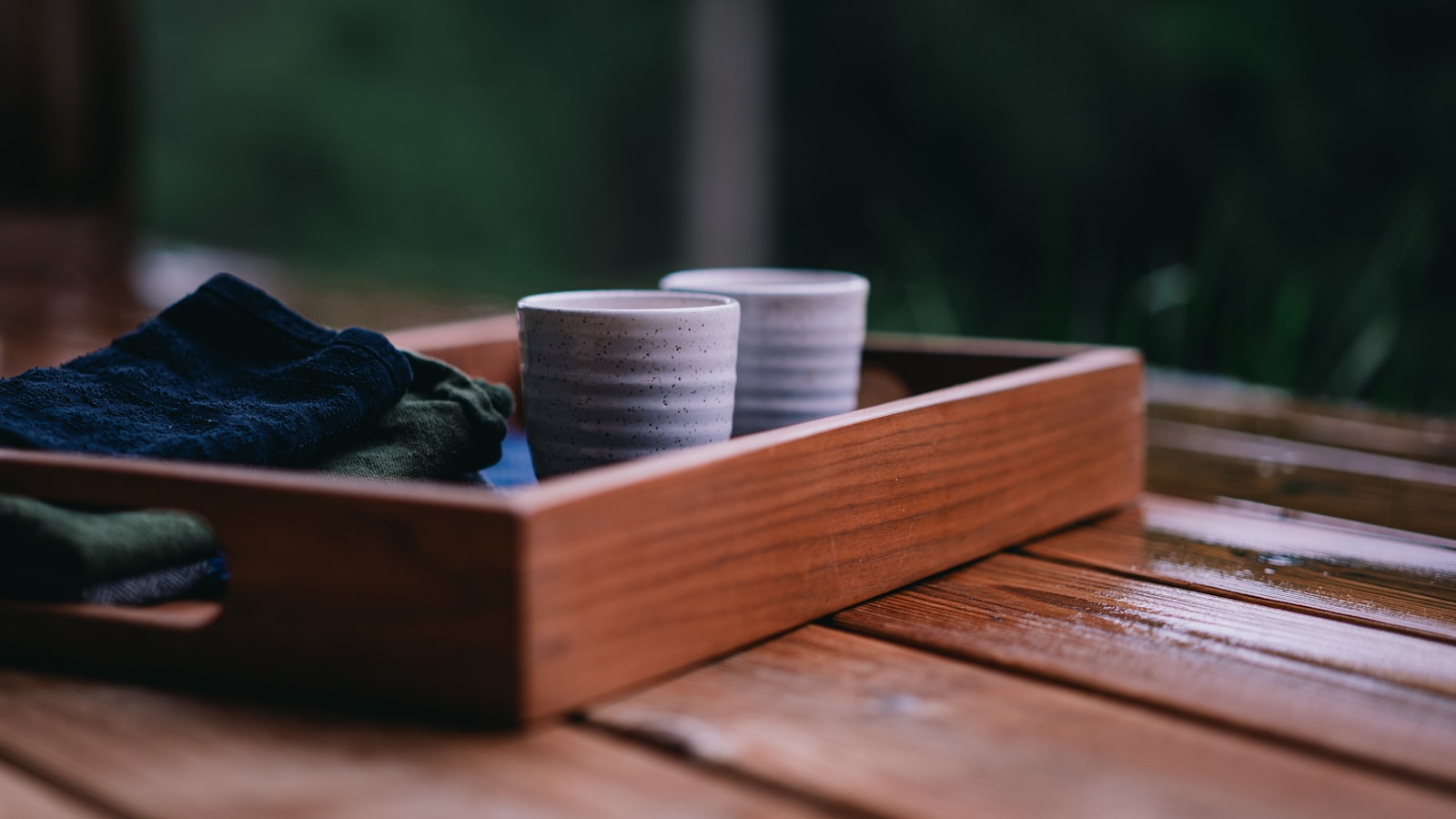
Sake occupies an odd position in Singapore’s drinking culture — widely available, frequently ordered, and yet poorly understood by most people ordering it, who tend to default to whatever house sake a restaurant offers without much curiosity about what separates a mass-produced bottle from a genuinely well-crafted one. This is a shame, because sake’s grading and production system, once understood, is actually more transparent and logical than wine’s, and a small but growing number of bars and specialist shops in Singapore are now taking the category seriously enough to make that exploration worthwhile.
The starting point for understanding quality sake is the rice polishing ratio, a detail printed on every serious bottle and one of the more reliable indicators of a sake’s category and, generally, its price point and delicacy.
Reading the grades
Junmai, the broadest premium category, means the sake is made purely from rice, water, koji and yeast, with no added distilled alcohol — typically a fuller-bodied, more savoury style. Ginjo and daiginjo indicate progressively more polished rice, with daiginjo requiring at least fifty percent of the outer rice grain milled away before brewing, producing a lighter, more fragrant, often fruit-forward style prized for its delicacy. Honjozo, by contrast, includes a small amount of added distilled alcohol, traditionally used to adjust aroma and smooth the finish rather than as a cost-cutting measure, and can produce excellent, crisp results in the right hands.
None of these categories is objectively better than another — they represent different stylistic choices, and a well-made junmai can easily outshine a mediocre daiginjo. What the label reliably tells you is style and production method, which is enough to make an informed choice once you know your own preference.
Why the brewery matters as much as the grade
Two bottles labelled junmai daiginjo from different breweries can taste dramatically different, since water source, rice varietal, yeast strain and brewing philosophy all shape the final character as much as the grading category does. Small, independent breweries — some family-run for generations, some now helmed by a younger generation bringing more experimental techniques to traditional methods — are where much of the category’s genuine excitement currently lies, producing limited-run bottles that rarely reach large-volume distribution.
Serving and drinking it properly
Temperature is one of the most commonly mishandled aspects of sake service in Singapore, where the drink is too often served either indifferently chilled or, worse, warmed regardless of style, out of habit rather than intention. Delicate, aromatic daiginjo-style sakes are almost always better served chilled, where warming would mute their fragrance. Fuller-bodied junmai styles, by contrast, can genuinely benefit from gentle warming, which opens up their savoury, umami character in a way chilling suppresses. A bar or restaurant that asks how you would like a given bottle served, rather than defaulting automatically, is usually a good sign of genuine sake knowledge on staff.
“People assume all sake should be served ice cold because that’s how the cheap stuff is served at most restaurants,” one Singapore sake specialist told us. “A really good junmai, gently warmed, tells a completely different story.”
Pairing sake beyond sushi
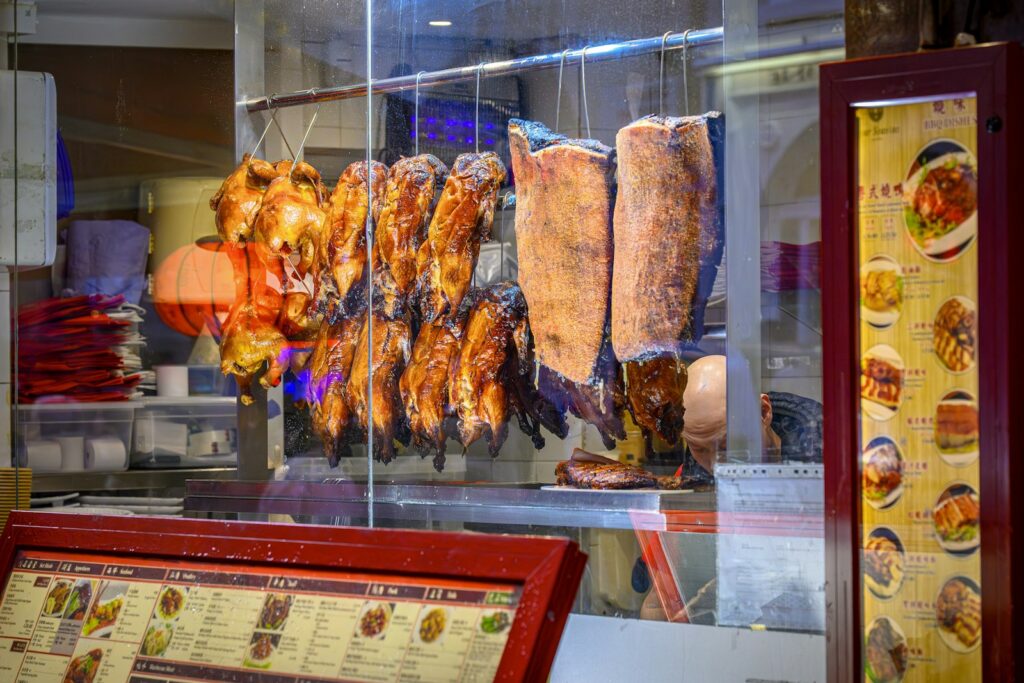
Sake’s reputation as a sushi-specific drink undersells its versatility considerably. Its generally lower acidity and umami-forward character make it a genuinely excellent pairing for a wide range of Asian cuisines beyond Japanese food specifically — a well-chosen junmai can complement the richness of a Cantonese roast, or the spice of Southeast Asian cooking, in ways a more acidic wine sometimes struggles to. Bars and restaurants building sake into a broader beverage programme, rather than treating it as a Japanese-cuisine-only pairing, are worth seeking out for this reason.
Rice varietals, an underappreciated detail
Beyond the polishing ratio, the specific rice varietal used shapes a sake’s character in ways that reward closer attention. Yamada Nishiki, often considered the benchmark varietal for premium sake, tends to produce elegant, well-balanced brews with real depth, while other varietals bring their own distinct personalities — some leaning more mineral, others softer and rounder. Water source matters just as much, since sake is, by volume, mostly water, and a brewery’s specific local water — its mineral content, its softness or hardness — shapes the final character of every batch produced there in ways that cannot be replicated elsewhere, even using identical rice and technique. This is, in effect, sake’s own version of terroir, and one of the more rewarding threads to pull on once the basic grading system feels familiar.
Where Singapore’s craft sake scene is headed
The category has grown considerably in the city over recent years, driven by a small community of importers and specialist retailers working directly with smaller breweries rather than relying solely on large distributors. This has meaningfully widened what is available locally, moving beyond the handful of large, internationally recognised brands that once dominated most restaurant lists toward genuinely rare, small-production bottles that were, until recently, difficult to find outside Japan itself.
Specialist sake bars, still a relatively small category in Singapore compared to wine or cocktail bars, tend to offer the most rewarding tasting experience for anyone genuinely curious, often pouring flights that let a drinker compare grades or breweries side by side in a way a single bottle at a restaurant table cannot replicate. Staff at these bars are also generally more willing to open a rarer, small-production bottle by the glass specifically for a curious guest, provided the request is made with genuine interest rather than treated as an obligation, which makes these venues a considerably more accessible entry point into the category’s rarer offerings than buying a full bottle sight unseen.
For related reading, our guide to a beginner’s guide to sake, from a local sommelier is a useful primer for anyone earlier in this journey, while the best modern Japanese, beyond sushi covers the wider dining context sake often accompanies. Whisky drinkers curious about a similarly craft-driven Japanese spirits category should also read our field guide to Japanese whisky. Browse further across our Dining & Drinks section.
Sake rewards curiosity more generously than most drinks categories in Singapore right now, largely because so few people have taken the time to look past the house pour. A little label literacy, and a willingness to ask a knowledgeable bartender a few direct questions, opens up a category with far more range and craft than its everyday reputation suggests.
Renée has covered Singapore's restaurants for over a decade, with a soft spot for the kitchens most people walk past.