The Art of the Feature Wall
A feature wall is either the best decision in a room or the one that ages worst. Here is how to choose materials and placement that hold up over time.
 By Priya Nair
29 August 2026 · 6 min read
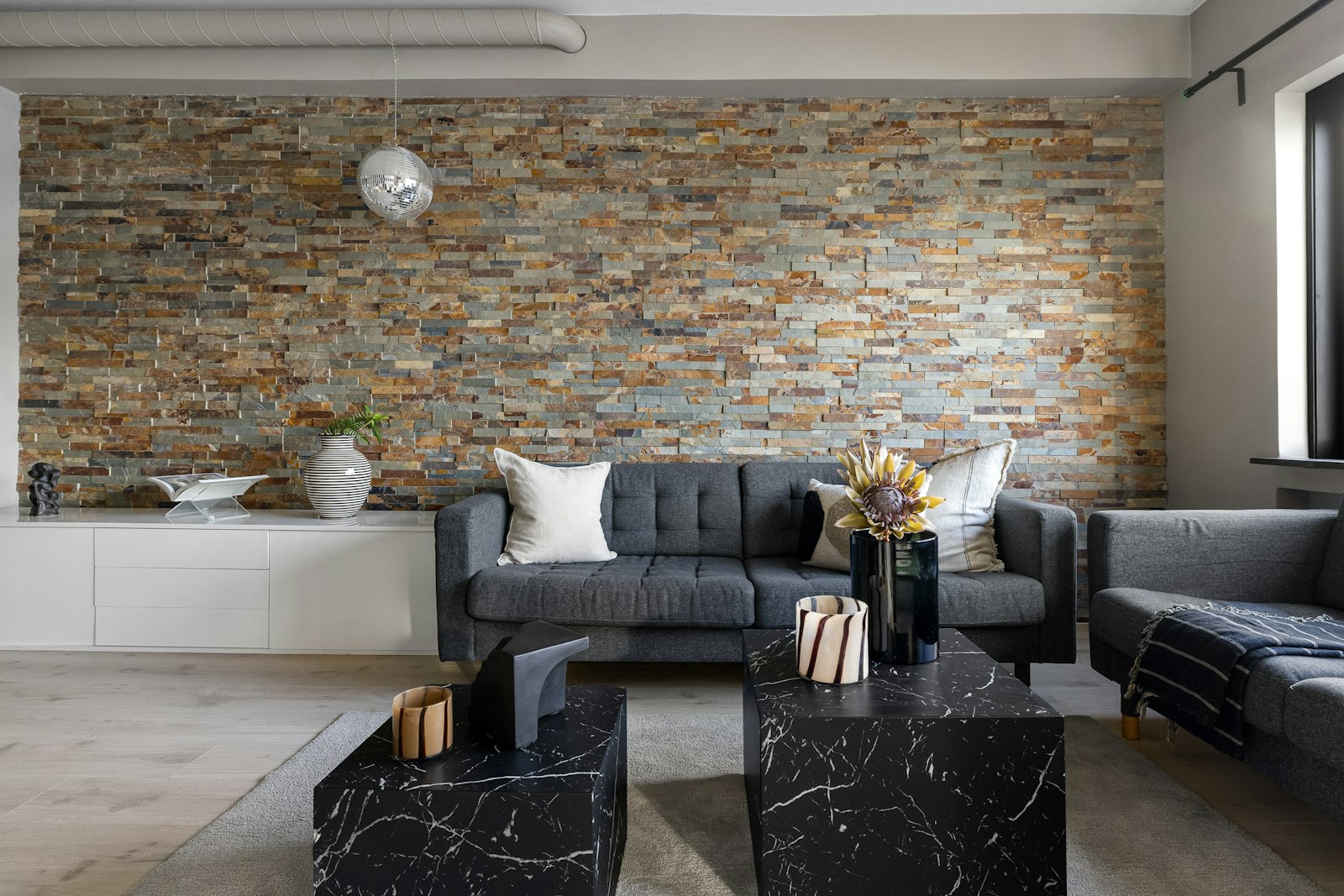
The feature wall has a slightly troubled reputation, largely earned through a decade of bold wallpaper and paint choices that felt striking in the showroom and regrettable within eighteen months. That reputation is undeserved when the idea is executed properly, because a feature wall, done with genuine restraint, remains one of the most effective ways to give a room a focal point without a full renovation. The difference between the feature walls that age badly and the ones that endure comes down to a handful of consistent principles.
A feature wall’s entire job is to draw the eye and anchor the room’s composition, which means it needs to be chosen in relation to the space around it, not in isolation. The wall that works is rarely the boldest option in the sample book — it is the one that has been considered alongside the furniture, the light and the room’s actual proportions. Once the wall itself is chosen, the finish becomes the question, and our guide to materials for a statement feature wall sets out the options.
Choose the Right Wall, Not Just the Right Finish
The wall a feature treatment goes on matters as much as what goes on it. The strongest candidate is usually the wall the eye naturally lands on when entering the room — behind a bed, behind a sofa, or at the end of a long sightline down a hallway. A feature wall on a side wall, glimpsed only in peripheral vision, rarely earns its keep, however striking the material. This is worth thinking through alongside the room’s existing focal points; if there is already a fireplace or a large window commanding attention, a competing feature wall elsewhere in the same room can simply create visual noise rather than a considered composition.
Texture Over Pattern, for Longevity
Bold pattern dates faster than almost any other design choice, because pattern trends move quickly and a large expanse of one is difficult to ignore once it starts to feel of its moment. Texture, by contrast, ages far more gracefully — a lime-washed plaster finish, a fluted timber panel, natural stone or a subtly textured grasscloth all read as considered regardless of decade, because they draw on material quality rather than trend-driven pattern. Readers weighing pattern more seriously should look at our piece on the return of wallpaper, done well, which covers how to use pattern in a way that still holds up over time, largely through scale and restraint rather than avoidance.
The Terrazzo and Tile Option
For bathrooms, kitchens and entryways, a feature wall executed in tile or terrazzo brings genuine material interest without the fading or trend-sensitivity of paint and wallpaper. This approach has seen a considerable resurgence lately, covered in more depth in our piece on the terrazzo and tile revival, and it suits Singapore’s humid climate particularly well, since it is entirely unaffected by the moisture that can eventually cause wallpaper to lift or paint to bubble.
Colour, Chosen for the Room’s Light
A deep, saturated colour on a feature wall reads completely differently depending on the room’s natural light — dramatic and enveloping in a north-facing room with soft, even light, but potentially heavy and closing-in in a room that already receives limited daylight. Test any strong colour at different times of day before committing, since the paint that looks perfect on a midday sample card can shift considerably under evening lamplight. Our guide to choosing the right paint, confidently covers this testing process in more detail, and it applies with particular force to feature walls, where a wrong colour is far more visible than it would be spread thinly across an entire room.
The best feature walls do not shout for attention. They simply give the eye somewhere obvious and satisfying to rest.
What to Hang or Place Against It
A feature wall with a textured or patterned finish generally needs less, not more, decoration layered on top of it — a single well-chosen piece of art or a considered gallery arrangement works better than a wall crowded with competing visual interest. If the wall itself is the statement, everything placed against it should support rather than compete with that statement. Readers building out an art collection around a feature wall may find our piece on art for the home, on any budget useful for choosing pieces with the right scale and tone.
A Feature Wall Is Not Just Paint or Paper
It is worth remembering that a feature wall does not require a change of finish at all — architectural elements can achieve the same focal effect with even greater longevity. A run of fluted timber panelling, a section of exposed brick left intentionally unplastered, or a change in ceiling height and cornicing above a single wall all draw the eye in the same way a bold colour or pattern would, without any of the risk of dating. These architectural approaches tend to cost more upfront than paint or wallpaper, but they age with genuine grace, often improving as materials weather and develop character, and they rarely require the kind of refresh a painted feature wall eventually needs after a decade of sunlight and daily wear.
Lighting design deserves particular attention once a feature wall is chosen, since even the best material or colour can fall flat under poor illumination. A carefully placed picture light, a recessed wall-wash fitting, or simply a floor lamp angled to graze the surface at a low angle will bring out genuine texture — the ridges of fluted panelling, the subtle variation in a lime-washed plaster finish — in a way flat overhead lighting never quite manages. This detail is frequently the difference between a feature wall that photographs as an afterthought and one that reads, in person, as a genuinely considered piece of architecture.
A Focal Point Worth Committing To
A feature wall done properly is not a trend at all — it is simply good composition, applied to a single vertical surface with more intent than the rest of the room. Choose the right wall, favour texture and material over fleeting pattern, and test colour honestly against the room’s actual light, and the result is a focal point that will still feel considered a decade from now, rather than a decision that needs quietly repainting over in two years. For more on considered design decisions, explore our Homes & Culture section.
Priya tours the homes most people only glimpse from the road, and asks how they are really lived in.