A Weekend in Hsinchu
Hsinchu is known for semiconductors, but its walled old town, night market and windswept coastline earn a proper weekend on their own considerable merit.
 By Marcus Lim
31 August 2026 · 6 min read
By Marcus Lim
31 August 2026 · 6 min read

Ask most travellers what they know about Hsinchu and the answer, if there is one, tends to be “the tech city” — the place where Taiwan’s semiconductor industry does much of its quiet, world-shaping work. That reputation is accurate, but it has crowded out an older, gentler city underneath, one with a walled temple district, a genuinely excellent night market and a wind so constant it has its own name. Hsinchu earns a weekend on its own terms, not merely as a science-park detour from Taipei.
A city defined by wind and water
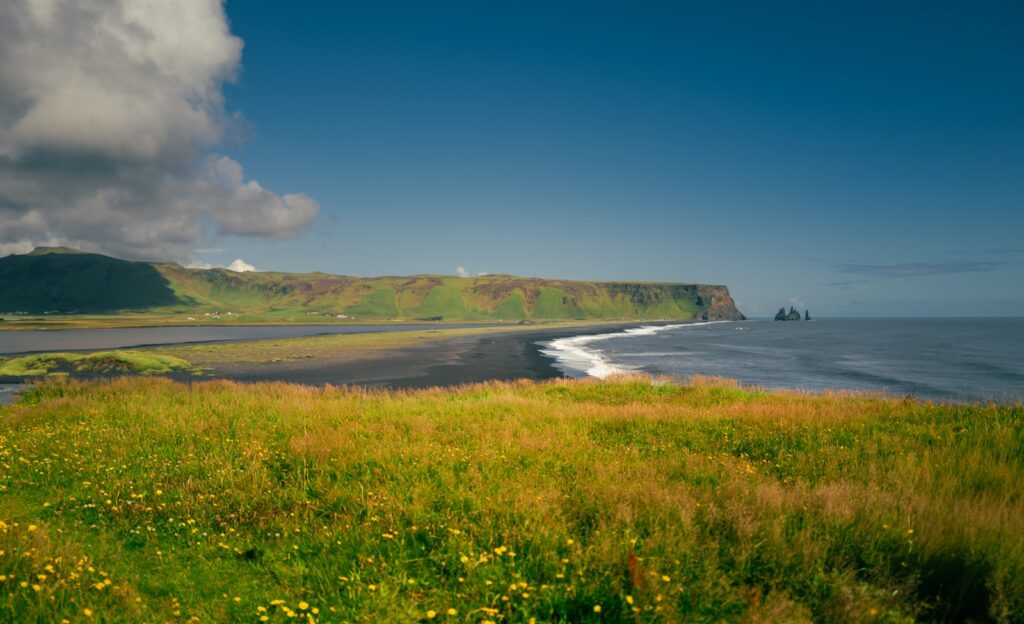
Locals call Hsinchu the “Windy City,” and the nickname is not marketing. Cold air funnels down from the mountains through a gap in the coastal range, picking up speed until it reaches the old town, where it has shaped everything from building orientation to the particular snap of the local rice noodles, dried outdoors in the near-constant breeze. That wind also explains the city’s unusually good kite-flying culture, and a stroll along the 17km Coastal Bikeway at dusk, with the sea on one side and wind turbines turning steadily on the other, is one of the more underrated late-afternoon activities in northern Taiwan.
The old town, on foot
Hsinchu’s historic core is compact enough to cover comfortably in a day. The Confucius Temple and the old City God Temple sit close together, the latter famous locally for the food stalls that have grown up directly around its gates over decades rather than being a purpose-built tourist night market — the distinction matters, and it shows in the quality of the meatball soup and stewed pork rice on offer. The East Gate, one of the last remaining sections of the old city wall, now sits at the centre of a roundabout, lit at night in a way that makes it feel like a deliberate monument rather than an accidental survivor, which is more or less what it is.
A short walk from the gate, the city’s older shophouse streets have begun attracting small, considered cafés and independent shops, run by a generation of Hsinchu natives returning after years working in Taipei or abroad. It is not yet a fully polished restoration district, and that is part of the appeal — the renovation is happening at a human pace, block by block, rather than arriving all at once.
A weekend, loosely planned
- Friday evening: arrive, drop bags, and head straight for the City God Temple night market for dinner among the stalls.
- Saturday morning: walk the old town — Confucius Temple, East Gate, the emerging shophouse streets — before the midday heat sets in.
- Saturday afternoon: cycle or walk a stretch of the Coastal Bikeway, timed to catch sunset over the wind farm.
- Sunday: a slower morning at a local café, then the short train back to Taipei or onward into the hills.
Hsinchu also makes an easy pairing with a longer Taiwan itinerary. Travellers based in the capital for a few days should consider it as a genuine day-and-a-half detour rather than folding it into a single rushed afternoon; the train from Taipei takes under an hour, which makes the return trip painless if you decide a single night isn’t enough. For those extending further, Taipei’s hot spring country sits within reach on the same rail line, offering a very different, slower register after Hsinchu’s brisk coastal wind.
“People fly into Taipei and never come this far south — which suits us fine, honestly,” a shopkeeper near the East Gate told us, only half in jest, while wrapping a parcel of the local dried noodles for a customer.
Food worth planning around
Hsinchu’s food identity is built on a handful of specific dishes rather than broad variety, and that focus works in its favour. The city’s meatballs — hand-pounded, wrapped in a translucent starch skin and served in a light broth — are a genuine point of local pride, with several long-running stalls claiming the definitive version. Rice noodles dried in the famous wind have a chewier bite than their counterparts elsewhere in Taiwan, and are best tried simply, stir-fried with a little pork and garlic chives rather than dressed up. None of this requires a reservation or a plan beyond arriving hungry and following the queues. Hsinchu’s neighbour to the north rewards the same appetite-led approach, as our guide to a weekend in Taoyuan sets out.
Where to stay
Hsinchu’s hotel scene is modest compared to Taipei’s, which suits a weekend built around walking rather than a hotel-centred trip. A small business hotel near the station is the most practical base for the old town and night market; those extending into a cycling day along the coast may prefer something closer to the bikeway itself. Either way, the city rewards travellers who treat it as a base for slow exploration rather than a checklist of sights — much like the rest of our guide to forty-eight hours in Taipei, the considered way, which shares the same instinct for unhurried pacing over the capital’s more famous attractions.
For a broader survey of Taiwan and the wider region’s most rewarding small-city detours, our full Travel & Stays section covers destinations built on exactly this kind of quiet, specific appeal — places worth a weekend precisely because they don’t demand one.
The tech city, briefly
It would be a disservice to skip Hsinchu’s more famous identity entirely. The Science Park on the city’s outskirts is not generally open to casual visitors, but its presence has shaped the wider city in subtler ways worth noticing — a younger, more international population than the old town’s temples might suggest, a handful of genuinely good coffee roasters that would not look out of place in Taipei or Melbourne, and a steady flow of engineers home for the weekend filling out the better restaurants on a Saturday night. It gives Hsinchu an odd, appealing double identity: a centuries-old walled city that also happens to sit at the centre of a global supply chain, with remarkably little friction between the two.
That contrast is, in the end, the best argument for spending a proper weekend here rather than a rushed afternoon. Few cities in Taiwan let you eat century-old street food for lunch and sit in a coffee shop staffed by returnee engineers for the afternoon, all within a twenty-minute walk. Hsinchu doesn’t advertise this particularly well, which is exactly why it’s worth discovering before everyone else does.
Marcus writes on travel and hospitality across Asia, and is happiest a long way from a lobby.