Why the Pyrenees of Aragon Reward the Patient Traveller
The Aragonese side of the Pyrenees is emptier, higher and harder to reach than the French — and all the better for it. A case for patient travel.
 By Marcus Lim
2 September 2026 · 6 min read
By Marcus Lim
2 September 2026 · 6 min read
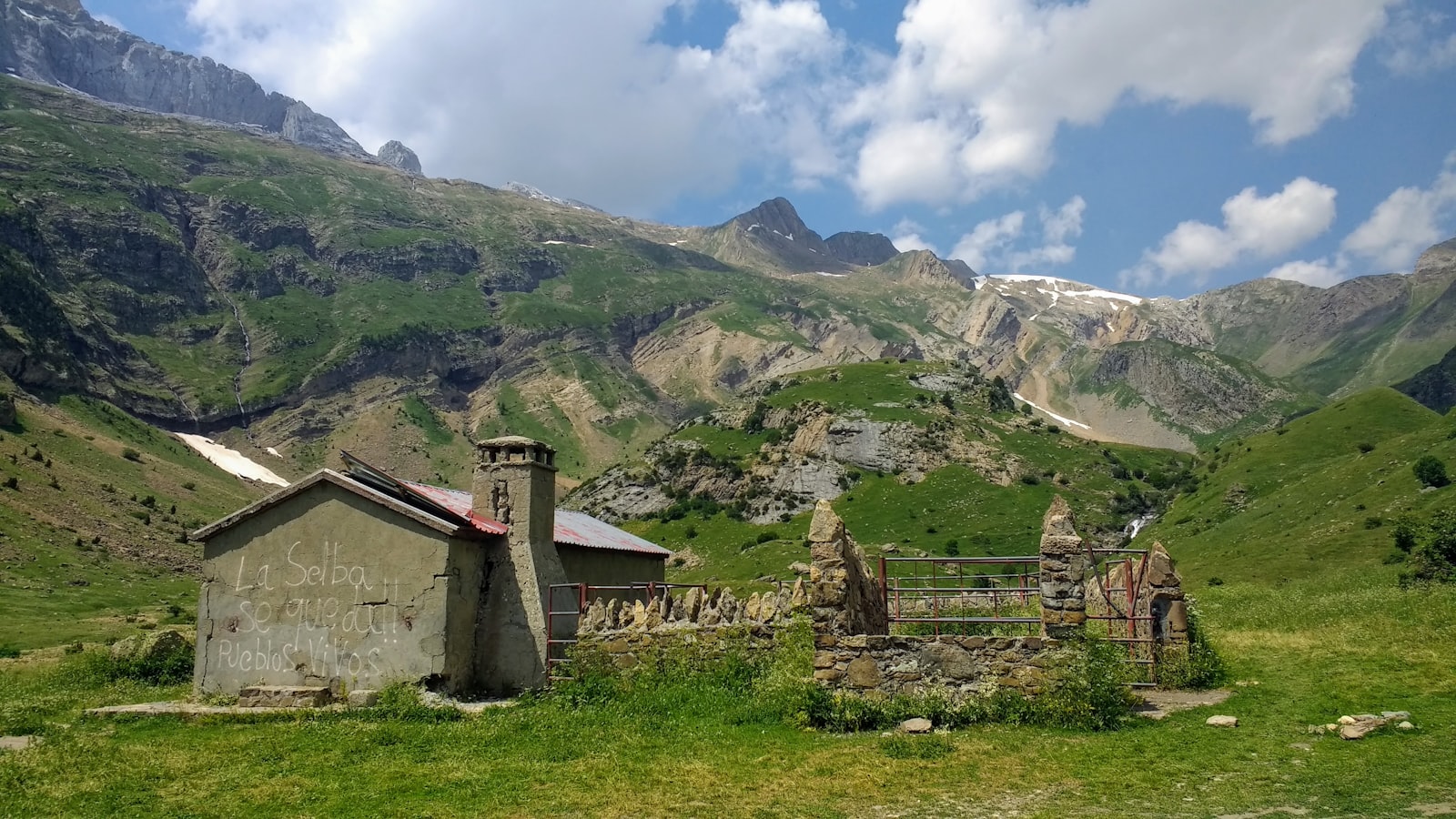
The Pyrenees have a public face and a private one. The public face is French: the ski resorts, the Tour de France cols, the well-groomed valleys with their spa hotels. The private face is Aragonese, on the southern side of the watershed, and it is a harder, quieter, more demanding place. It does not come to you. You have to go to it, slowly, and that is exactly why it rewards the kind of traveller who is willing to be patient.
Aragon’s mountains are drier and more dramatic than their northern counterparts, all pale limestone and deep gorges rather than green alpine meadow. The villages are built of the same stone as the peaks above them, so that from a distance you cannot always tell where the geology ends and the architecture begins. There are fewer people, fewer signs, fewer concessions to the visitor. What there is, in abundance, is space and silence and a sense that you have arrived somewhere that has not been arranged for your benefit.
The virtue of being hard to reach
Everything good about the Aragonese Pyrenees follows from the fact that they are inconvenient. The valleys run north to south, dead ends against the frontier ridge, so you cannot pass through — you can only go in and come back. This kills casual tourism stone dead. Nobody ends up here by accident. The people you meet on the high paths have chosen to be there, and it shows in the quality of the quiet.
This is a landscape for the traveller who plans the way we describe in the art of the slow itinerary: pick one valley, take a base, and stay long enough to watch the weather move through it. The mistake is to treat the range as a driving tour, hopping from viewpoint to viewpoint. The reward comes from depth, not coverage — from knowing a single valley well rather than three of them badly.
Walking into the high country
The walking is the reason to come, and it is serious. Above the villages the paths climb into a world of cirques, tarns and bare rock, where isard pick their way across scree and lammergeiers turn on the thermals. You do not need to be an alpinist, but you do need to respect the ground: the weather turns fast, the distances are long, and there is no cafe at the top. Carry more than you think you need and start earlier than you want to.
The Aragonese Pyrenees give nothing to the traveller in a hurry and everything to the one prepared to walk slowly and look hard.
The sense of scale here belongs in the company of the world’s great mountain walking, and if that is your appetite it is worth reading around the sacred mountains worth the climb and the finest mountain lodge retreats to understand where these peaks sit in the wider firmament. They hold their own. What they lack in altitude against the Alps they make up for in emptiness.
Where to sleep and what to eat
Accommodation is honest rather than grand: family-run inns in the stone villages, a scattering of restored farmhouses, the occasional mountain refuge for those going high. The food is mountain food, built for cold and effort — slow-cooked lamb, migas, strong cheeses, a stew that has been on the stove since morning. The wine comes from the lower valleys and is better than its obscurity suggests. This is not a region of tasting menus, though the appetite it builds would do justice to one. For the broader context of how they eat on this side of the range, our notes on Basque and northern Spanish dining are a useful primer, even if Aragon keeps its own plainer counsel.
The rhythm of a stay
Give the Aragonese Pyrenees a week if you can, and settle into a rhythm rather than an agenda. Walk hard on the clear days, read and eat and doze on the wet ones, learn the shape of the valley by watching the light change across it morning and evening. The patience the place demands turns out to be its greatest gift, because it forces you to stop consuming and start noticing. By the third or fourth day the mountains stop being scenery and become something you are inside of. The same patience is rewarded further west along Spain’s northern mountains, as our piece on why the Picos de Europa reward the patient traveller explains.
Reading the seasons
The Aragonese Pyrenees change character utterly with the calendar, and choosing your season is half the art of the trip. High summer brings long clear days and the best of the walking, but also the only real crowds the region ever sees, concentrated in the handful of famous valleys; go then, but go early and aim for the lesser-known glens. Autumn is arguably the finest hour, when the beech woods turn and the light goes long and golden and the paths empty of all but the committed. Spring is for waterfalls and wildflowers and swollen rivers, glorious but unpredictable, with snow lingering high into the season. Winter closes the high country to all but the properly equipped and turns the villages inward around their fires.
Whichever season you choose, weather is the constant subject, and the mountains here make their own. A clear dawn can give way to cloud by noon and thunder by mid-afternoon, particularly in summer, so the local habit of starting early and being down before the storms is not caution but common sense. Carry layers against a temperature that drops fast with altitude and cloud, respect the forecast without trusting it entirely, and build flexibility into the plan so that a bad day can be spent low and a good one seized in full. The traveller who reads the sky and moves with it, rather than against it, is the one the Aragonese Pyrenees reward most completely.
That shift — from looking at a place to living within it — is the whole point of patient travel, and the Aragonese Pyrenees deliver it more completely than almost anywhere I know. They will never be easy, and they will never be crowded, and those two facts are the same fact. Come slowly, stay a while, and let the mountains set the pace. More journeys in this spirit wait in our travel and stays section.
Marcus writes on travel and hospitality across Asia, and is happiest a long way from a lobby.