
The Art of the Considered Garden Studio
A garden studio, done well, is not a shed with better branding. Here is how to site, build, and furnish one that feels like a genuine extension of the home.
 By Priya Nair
31 August 2026 · 6 min read
By Priya Nair
31 August 2026 · 6 min read
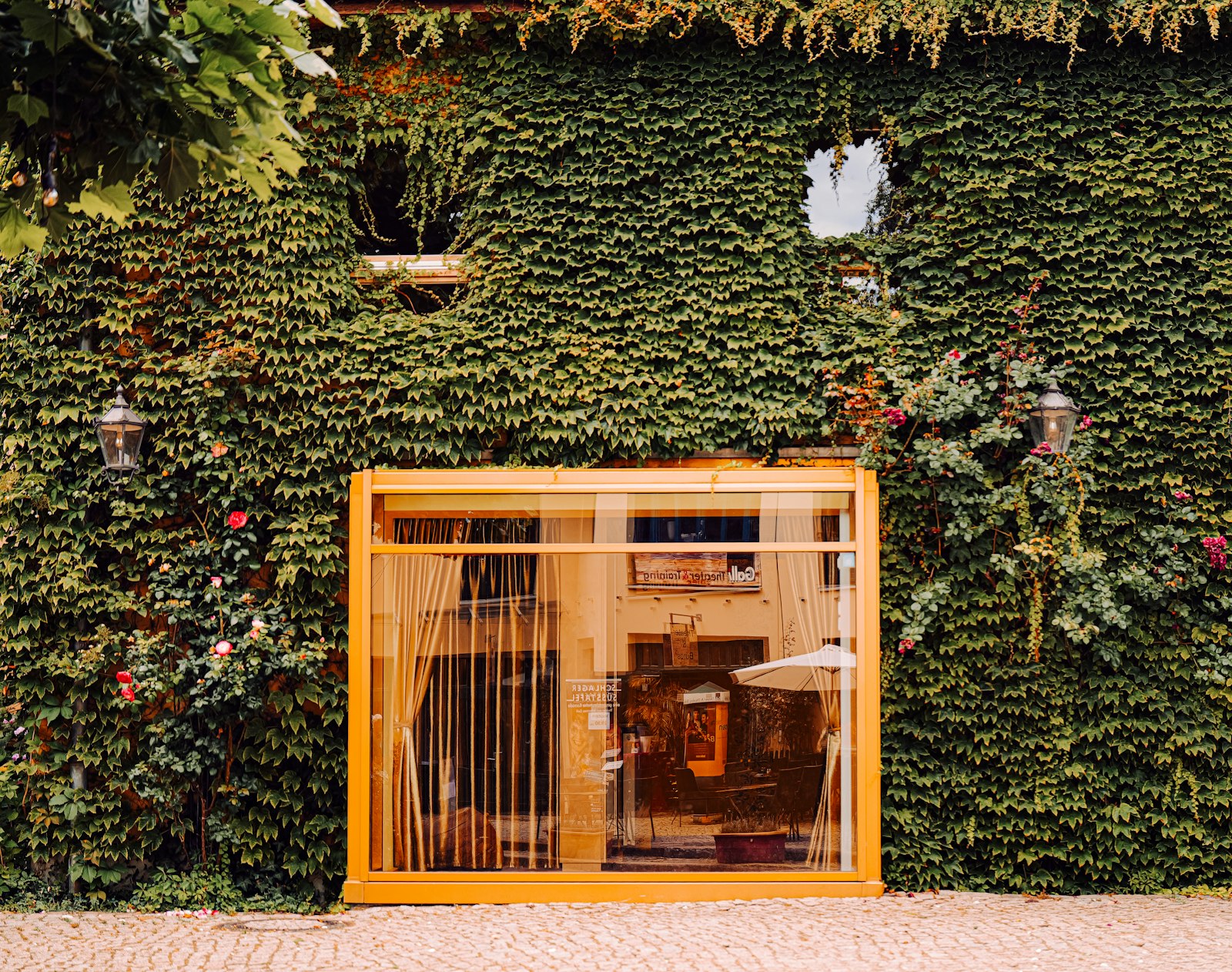
The garden studio has quietly become one of the more desirable additions to a considered home, and not only because of the shift toward working from home that accelerated its popularity. There is something genuinely appealing about a separate, small structure at the end of a garden — a room with its own door, its own light, and enough physical distance from the main house to feel like a change of scene rather than simply another room down the hall. Done badly, it is a glorified shed. Done well, it is one of the most quietly satisfying spaces a property can offer.
Siting is the decision that matters most
Before any conversation about materials or interiors, the placement of a garden studio determines almost everything about how well it works. A studio sited too close to the main house loses the sense of departure that makes the whole idea worthwhile; one sited too far away becomes inconvenient enough that it goes unused, particularly during the region’s frequent downpours. The sweet spot is usually a short, sheltered walk — close enough to reach without an umbrella emergency, far enough to feel like a genuine change of environment.
Orientation matters just as much as distance. A studio positioned to catch morning light through a working desk window sets a very different tone from one that faces west and bakes through tropical afternoons. In Singapore’s climate, deep eaves or a covered walkway connecting the studio to the house do more for daily usability than almost any interior decision that follows.
Materials that age rather than deteriorate
Because a garden studio sits directly in the landscape, exposed to humidity, rain, and intense UV in a way the main house rarely is, material choice has to account for genuine weathering rather than just appearance on day one. Timber cladding remains the most popular choice for good reason — it settles into a garden setting more convincingly than almost any other material — but it needs to be a genuinely weather-resistant species or properly treated, since ordinary softwood will struggle within a few tropical wet seasons. A silvered, naturally weathering timber such as certain treated hardwoods can look intentional as it ages, whereas an untreated or poorly chosen timber simply looks tired.
A short list of details worth getting right
- A raised timber or concrete plinth, keeping the structure clear of ground moisture
- Generous roof overhangs, sized for genuine tropical downpours rather than a token gesture
- Full-height glazing on at least one elevation, oriented away from harsh afternoon sun
- A covered link, however minimal, connecting the studio to the main house
- Proper insulation and ventilation, since a poorly ventilated studio becomes unusable by midday
Scale, and the discipline of a small footprint
Part of what makes a garden studio feel considered rather than makeshift is a certain discipline around scale. These are, almost by definition, small structures, and the best examples lean into that rather than fighting it — a single generous room, well proportioned, rather than an attempt to cram in more function than the footprint comfortably allows. A studio built purely for focused work benefits from restraint: a desk, good storage, comfortable seating, and little else competing for attention.
The best garden studios feel less like an outbuilding and more like the quietest room in the house, simply relocated outdoors.
Furnishing for a single, clear purpose
A garden studio works best when it is furnished for one clear use rather than several competing ones. A studio meant for writing or focused work should resist the temptation to double as storage, guest accommodation, and gym all at once — that dilution is exactly what turns a considered space back into a glorified shed. If the household genuinely needs several of those functions, a slightly larger studio with clearly zoned areas serves far better than one small room trying to be everything.
This same principle of singular purpose applies to the studio’s relationship with the garden around it. A studio that opens directly onto a considered planting scheme, rather than simply sitting on a lawn, benefits enormously from the surrounding landscape doing some of the design work. For those planning the garden alongside the structure, tropical gardens for the modern home offers useful groundwork on planting that will actually thrive around a new build in this climate, and a studio positioned near a considered garden feature, such as those covered in the art of the considered rockery and zen garden, gains an outlook worth the extra planning.
The studio as one room among several considered spaces
A garden studio rarely exists in isolation from the rest of a home’s considered spaces. Many of the same instincts — restraint, purpose, materials chosen to age well rather than simply look good on day one — run through the art of the considered home studio and the considered home art studio, both of which explore adjacent territory for households weighing an indoor versus outdoor studio, or planning both. The decision often comes down to available garden space and how firmly the household wants to separate work from the rest of daily life; a garden studio, by its physical distance from the house, tends to enforce that separation more effectively than any indoor equivalent.
Power, connectivity, and climate control are worth planning early rather than retrofitting later. Running proper electrical conduit and data cabling before the slab is poured saves considerable disruption down the line, and a studio intended for daily use genuinely needs its own air conditioning rather than relying on ceiling fans alone — a well-insulated small structure cools quickly and efficiently once the initial heat load is dealt with, but an under-specified system will leave the room unusable through the hottest part of the day.
Ultimately, a garden studio succeeds or fails on the same criteria as any considered addition to a home: does it get used, does it age gracefully, and does it feel like it belongs to the property rather than sitting apart from it. Get the siting and materials right, and the rest tends to follow. For more on additions and rooms built with this level of intention, our Homes & Culture section covers the details worth understanding before ground is broken.
Priya tours the homes most people only glimpse from the road, and asks how they are really lived in.


