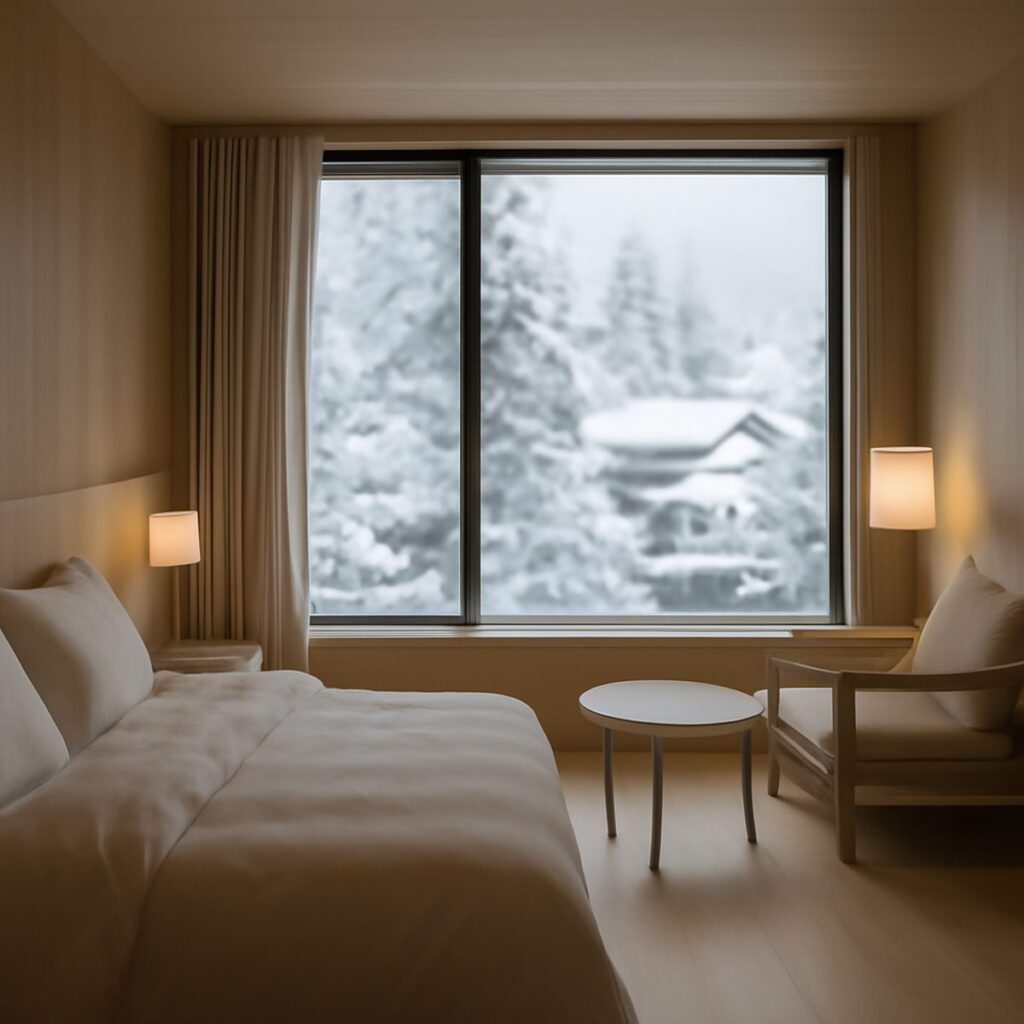
A Weekend in Yilan
An hour from Taipei by rail, Yilan trades the capital's density for rice fields, hot springs and a rural pace that rewards a slow, unhurried weekend.
 By Marcus Lim
31 August 2026 · 6 min read

Yilan sits just far enough from Taipei to feel like a different country, and just close enough — under an hour by the fast rail link through the mountains — to make a weekend trip genuinely uncomplicated. Where the capital is dense and vertical, Yilan is flat, green and fed by hot springs that surface naturally throughout the county, a legacy of the same geological activity that shaped Taiwan’s mountainous spine. It is a county built around water, rice and a rural pace of life that has resisted, so far, the more aggressive tourist development seen elsewhere on the island.
Getting There, and Why It Matters
The rail journey itself is part of the appeal. The line tunnels through the mountains that separate Yilan from the Taipei basin, and the moment the train emerges on the eastern side, the landscape changes entirely — rice paddies stretching to a coastline backed by cliffs, the air noticeably cleaner. Travellers used to longer transfers elsewhere in Asia are often surprised by how little friction this trip involves; it is entirely feasible to leave central Taipei after breakfast and be soaking in a hot spring by early afternoon. This ease of access is precisely why Yilan rewards even a short weekend rather than requiring a longer, more deliberate trip.
Hot Springs Without the Crowds
Yilan’s hot-spring towns are smaller and quieter than the well-known circuits nearer Taipei, and the water itself varies meaningfully by district — one area known for clear, mineral-rich springs, another for a milkier, sulphuric variety prized for its effect on skin. A weekend built around a single hot-spring inn, rather than hopping between several, tends to be the more satisfying approach; most of the better properties have private outdoor pools attached to individual rooms, meaning the whole experience can be had without ever needing to negotiate a shared public bath. For travellers who want to understand the etiquette and deeper culture around this kind of bathing before their first visit, our related guide to onsen etiquette and culture offers a useful primer, even though the specific customs here have their own local inflection.
Rice Fields and the Slow Coast
Away from the springs, Yilan’s flat interior is given over almost entirely to rice cultivation, and a bicycle — widely available to rent near the rail station — is by far the best way to see it. The paddies shift colour dramatically by season, from flooded silver mirrors in early spring to deep green through summer to gold just before harvest, and a slow ride along the irrigation paths between fields, stopping at whichever roadside stall looks most promising, is one of the more genuinely restorative afternoons available within a short train ride of any major Asian capital. The coastline itself, backed by dramatic cliffs where the mountains meet the sea, is worth a half-day detour on its own, particularly at the northern end of the county where the road narrows and the crowds thin considerably.
“Taipei people come here to remember what quiet sounds like,” a hot-spring innkeeper said, only half joking, while pointing out the frogs that had colonised the drainage channel beside her property. “Then they complain there’s nothing to do. That’s the point.”
Food Worth Planning Around
Yilan has its own distinct culinary identity, built on the county’s agricultural abundance — duck, in particular, is treated with unusual seriousness here, alongside a range of preserved and fermented specialities that rarely travel to Taipei’s restaurants. A weekend trip is well spent seeking out a family-run restaurant rather than anything obviously aimed at visitors; menus tend to be short, seasonal and built around whatever the surrounding farms produced that week. Travellers extending their trip further afield in Taiwan should also look at our coverage of the best autumn escapes in Taiwan and the best places for cherry blossom in Taiwan, both of which pair well with a Yilan weekend depending on the season.
Planning the Weekend
Two nights is the natural rhythm for Yilan — enough time for a hot-spring soak, a slow cycle through the paddies and one proper meal, without the trip tipping into overplanning. Weekday visits are noticeably quieter than weekends, when Taipei residents make the same short journey in large numbers, and travellers with flexible schedules should favour a Sunday-to-Tuesday stay over the more obvious Friday-to-Sunday window. For those piecing together a broader shoulder-season itinerary around the region, our note on where to travel in shoulder season and the wider Travel & Stays section both offer useful further reading.
What makes Yilan worth the short detour, ultimately, is how little it asks of the traveller. No grand itinerary, no must-see list of any real length — just an hour of hot water, a bicycle, and rice fields that have been doing more or less the same thing, unhurried, for centuries.
A Short Note on Where to Stay
Accommodation in Yilan splits broadly into two categories: hot-spring inns clustered around the county’s mineral-rich towns, and a newer generation of small, design-conscious guesthouses scattered through the rice-growing countryside, several converted from older farmhouses. Both are worth considering depending on what the trip is really for. A hot-spring inn suits travellers whose priority is the water itself, with soaking as close to a constant activity as the schedule allows; a countryside guesthouse suits those who want the cycling and the fields to be the centrepiece, with the springs treated as a pleasant evening addition rather than the whole point. Neither category runs to more than a handful of rooms at the best properties, so early booking matters more here than the relatively short distance from Taipei might suggest.
A Note on Language and Pace
English is spoken less consistently in Yilan than in central Taipei, which is, if approached in the right spirit, part of the charm rather than an obstacle. A simple translation app, a willingness to point and gesture, and a bit of patience go a long way, and locals are almost universally generous toward visitors making a genuine effort. This is, after all, precisely the kind of friction that keeps Yilan feeling like a rural county rather than a polished extension of the capital — and precisely why a weekend here tends to feel like a proper change of pace rather than merely a change of scenery.
Marcus writes on travel and hospitality across Asia, and is happiest a long way from a lobby.