
The Art of the Well-Set Table
The difference between a table that has been laid and one that has simply been set is entirely in the details. Here is how to get those details right.
 By Priya Nair
30 August 2026 · 6 min read
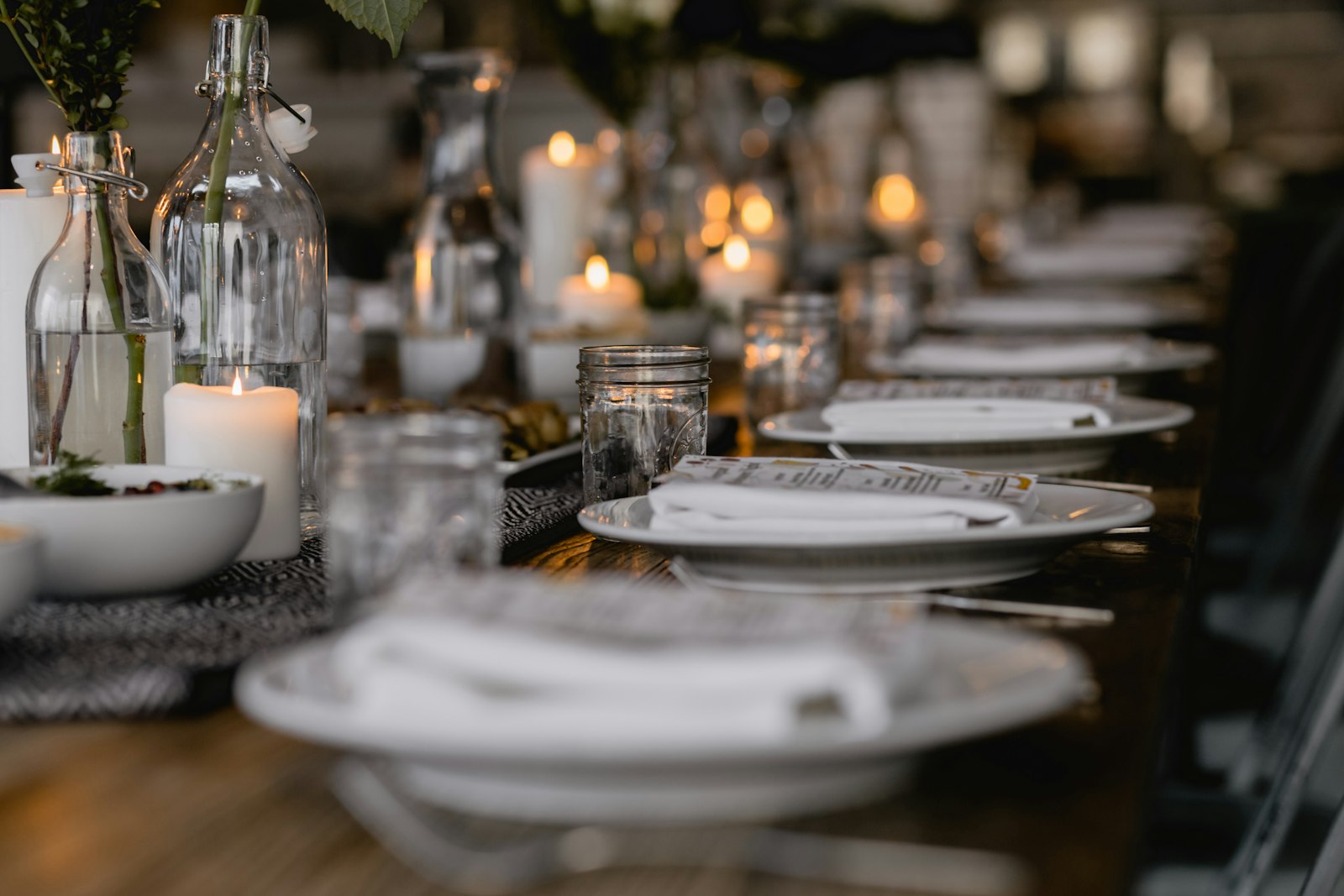
A table that has been properly set announces the evening before a single dish arrives. It is one of the few pieces of hosting that costs nothing beyond attention — no caterer, no special ingredient, just the willingness to lay cutlery and glassware with a bit of intention rather than simply putting out what is nearest to hand. And yet it is also one of the most commonly skipped steps in home entertaining, treated as an afterthought when it is, in fact, one of the more effective ways to signal to guests that the evening has been genuinely considered.
Start from the plate, and work outward
The classic logic of a table setting is simply this: work from the centre out, in the order the meal will be eaten. Cutlery is placed in the sequence it will be used, from the outside in, so a starter fork sits furthest from the plate on the left and the dinner fork sits closest, with the same principle mirrored on the right for knives and spoons. This is not fussiness for its own sake; it is a genuinely practical system that means a guest never has to guess which piece belongs to which course, freeing them to focus on the conversation rather than the cutlery. Glassware follows a similar logic, arranged above the knives in the order it will be used, water glass innermost and wine glasses stepping outward for however many courses call for a pour.
The basic elements, in order
- Charger or placemat as the base, with the dinner plate centred on top if serving in courses.
- Napkin either folded on the plate or to the left of the forks, never tucked under cutlery.
- Cutlery arranged outside-in for each course, forks left, knives and spoons right, blade edges facing inward.
- Glassware above the knife tips, arranged left to right in the order it will be used through the meal.
- Bread plate above the forks on the left, if serving bread with butter knife laid across it.
Choosing linen that actually does its job
A table setting lives or dies on its linen more than any other single element. Paper napkins, however nicely printed, tend to undercut an otherwise carefully laid table; a proper cloth or linen napkin, ironed and folded with a little care, does more to signal effort than almost any other single choice. The same goes for the tablecloth or runner underneath — natural fibres in a neutral tone photograph and read better under candlelight than synthetic blends, which tend to catch light in a slightly harsher way. If you are building out the room around the table itself, it is worth thinking about linen alongside the furniture; a considered dining room generally treats the textiles as seriously as the table and chairs.
Flowers, candles, and the art of not overdoing it
Centrepieces are where most well-intentioned table settings go wrong, usually by being too tall, too fragrant, or too elaborate to allow actual conversation across the table. The rule of thumb among people who host often is that anything in the centre of the table should sit low enough for guests to see each other over it, or be arranged in a long, low runner of smaller pieces rather than one dominant arrangement. Candlelight is almost always a good idea for an evening table, provided the candles are unscented — scented candles compete with food in a way that rarely does either any favours. If flowers are involved, choosing the right vase for the arrangement matters as much as the flowers themselves, since a mismatched vessel can undercut even a beautifully arranged bunch.
“A table doesn’t need to be expensive to feel considered — it needs to be consistent, so that every piece on it looks like it was chosen on purpose,” notes a Singapore-based event stylist who lays tables professionally several nights a week.
Setting a table for the way you actually eat
Not every dinner needs the full formal treatment, and one of the more useful skills in table setting is knowing how to scale the formality down without it looking unfinished. A weeknight dinner for four can still benefit from a proper placemat, a folded napkin and a single low candle, even without the full run of cutlery for multiple courses. What matters is consistency — a table half-dressed in mismatched elements reads as more careless than one simply and consistently laid with fewer pieces. This is also where the choice of table itself matters; the right dining table sets the proportions everything else has to work within, and a table too large or too small for the room will undercut even the most careful setting on top of it.
The details that separate a good table from a great one
Beyond the mechanics, the difference between a competently set table and a genuinely memorable one usually comes down to two or three small, deliberate choices: place cards for a larger gathering, a single unexpected element like a hand-written menu, or seasonal touches that tie the table to the actual evening rather than a generic template pulled from habit. None of these require significant expense, only the same attention that goes into choosing the right dining chairs for the room — small decisions that, together, tell a guest the evening was built around them rather than assembled at the last minute.
Ultimately, a well-set table is a small act of hospitality performed before the meal itself even begins, and it tends to be remembered longer than any single dish. Explore more considered guides to the home across our Homes & Culture section.
It is also worth saying that a well-set table does not need to be reserved for guests at all. Households that lay the table properly for ordinary weeknight meals, even briefly and simply, tend to report that the meal itself feels different — slower, more deliberate, less like refuelling and more like an actual pause in the day. Treating the everyday table with a fraction of the same care given to a dinner party is, in the end, a habit worth keeping for its own sake, guests or no guests.
Priya tours the homes most people only glimpse from the road, and asks how they are really lived in.


